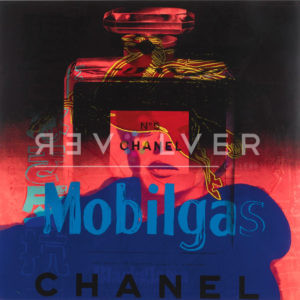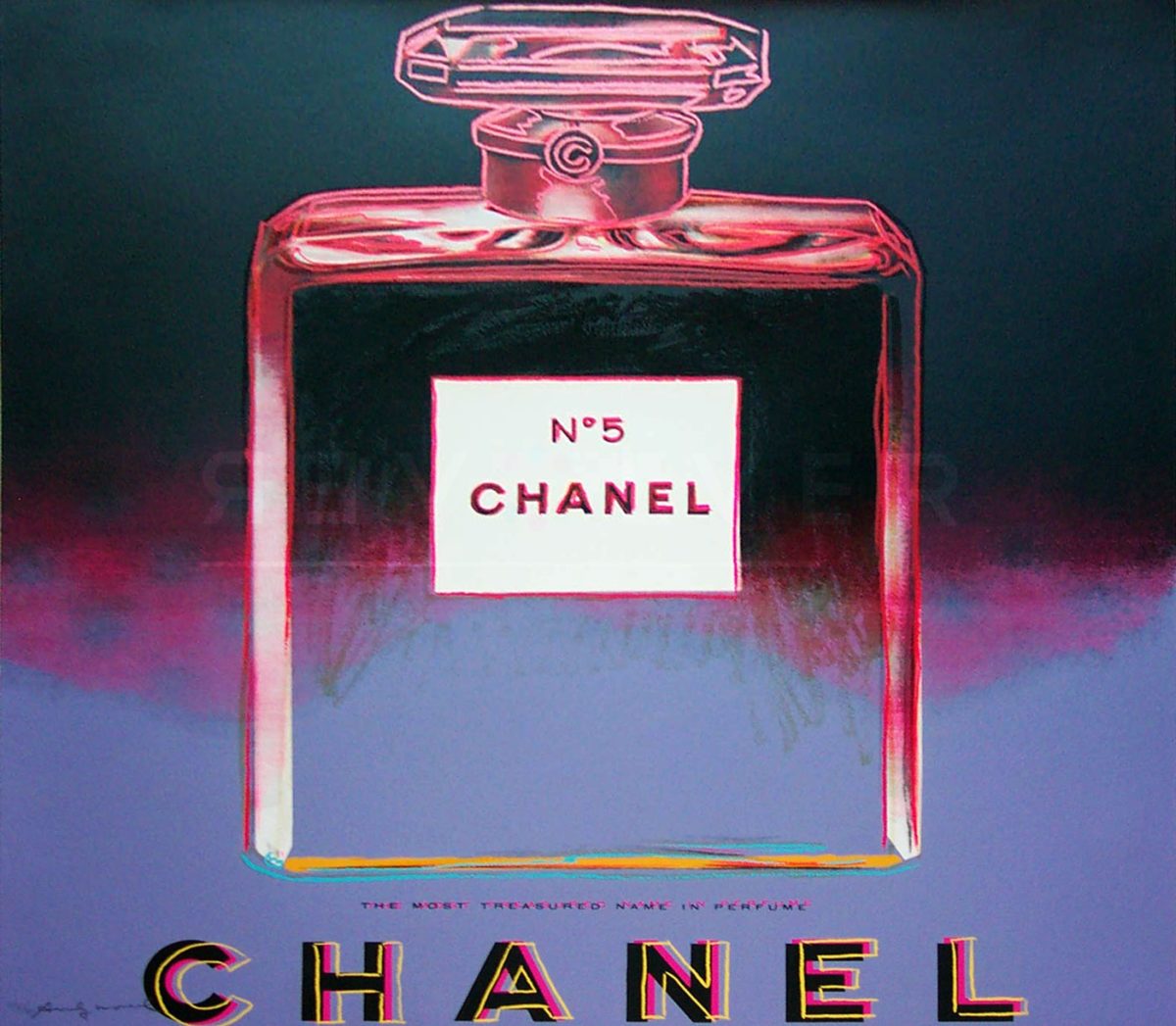
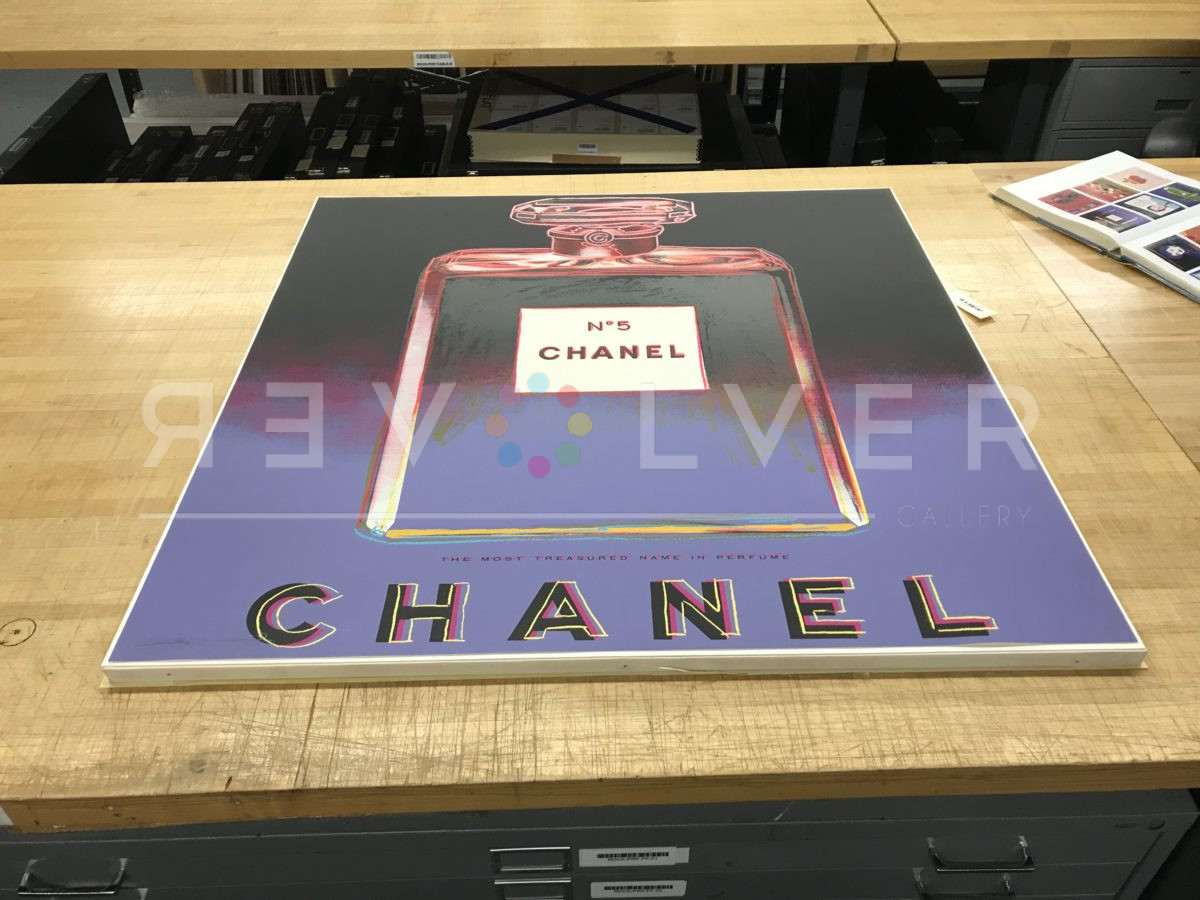
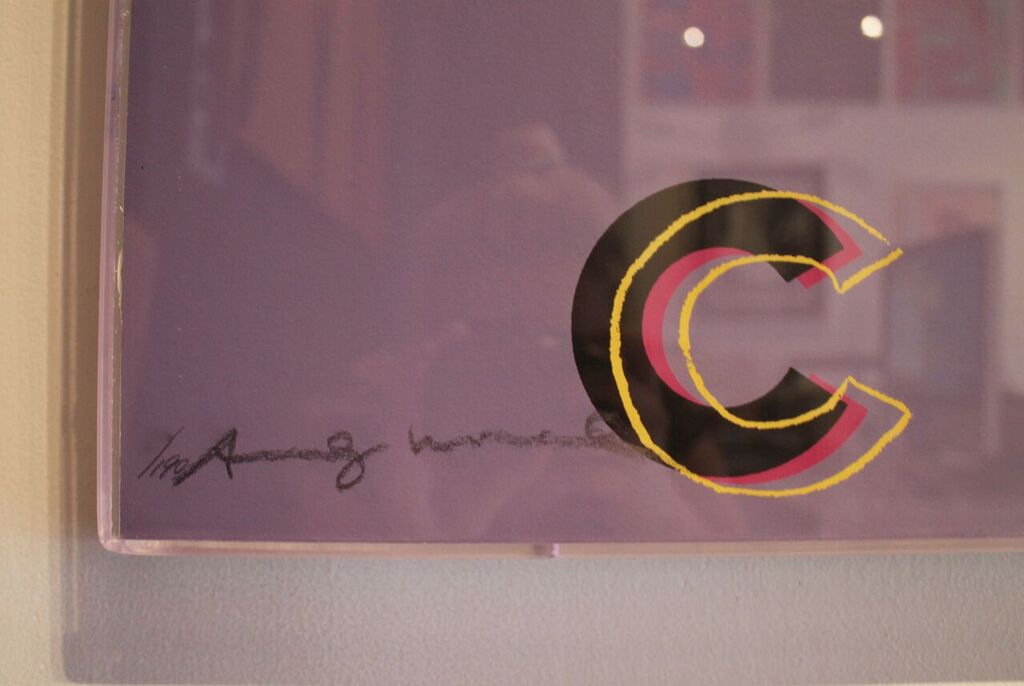
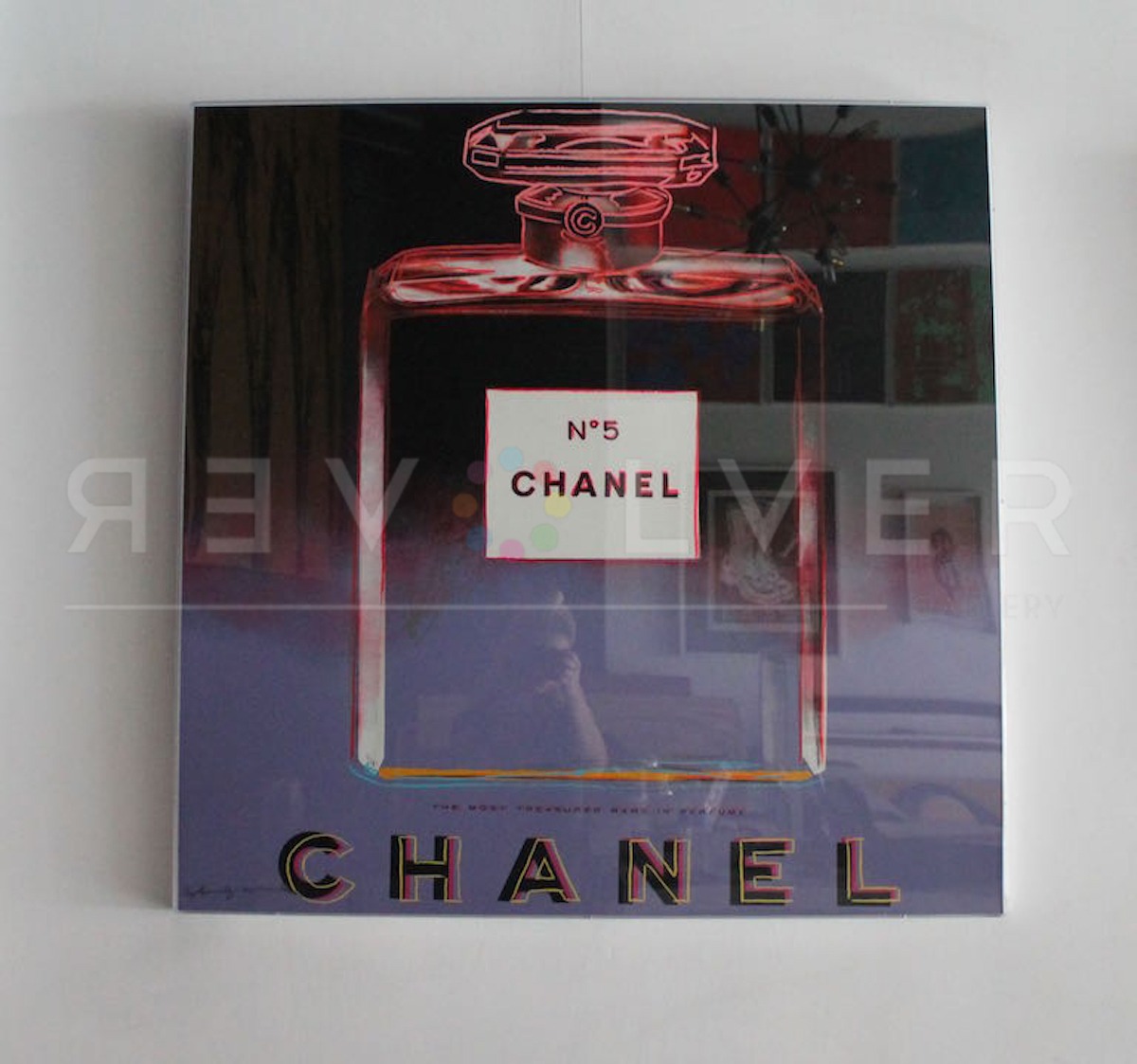
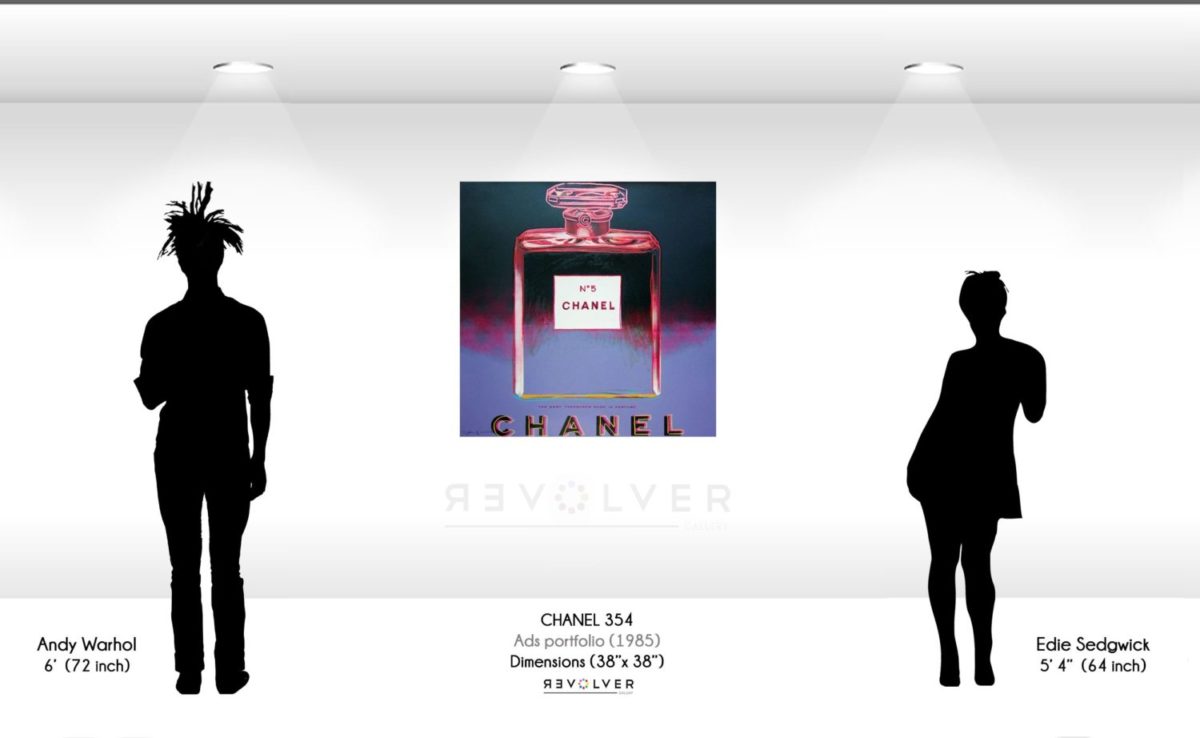
Chanel 345 is a screenprint by Andy Warhol created in 1985. The work depicts a bottle of Chanel perfume, and belongs to the artist’s Ads series, which features pop art renditions of popular advertisements of the 1980s.
A screen print born in 1985, Chanel 354 takes its regal seat in Andy Warhol’s Ads portfolio composed of 10 screen prints. The Chanel 354 is as rare as it is fabulous with only 190 edition prints of the perfume created. Reckoning back to his beginnings as an advertisement artist fresh out of college, Chanel 354’s lustrous bottle holds an irresistible feminine energy and appears to a buyer’s desire to acquire beautiful items and the aura of affluence. Chanel 354 is a testament to the fascination with attainable glamour that was a staple of Warhol’s “American Dream” philosophy depicted in his style that gained widespread commercial success from the appropriation of culturally prominent images and products.
Throughout his career, Warhol maintained his immortal-chic illusion not only with these recycled, glamorized images, but also with the curation of his own personal visage, which included a fascination with perfume. The artist considered perfume as a way to “take up more space;” he collected “semi-used bottles”, and was even buried with a bottle of Estee Lauder’s “Beautiful” when he died in 1987. Needless to say, Chanel 354 was inevitable.
In Chanel 354, Chanel No. 5’s luxurious scent practically wafts off the print page. The body of the bottle glows in vivid color against a dark gradient, making it look as if it could be picked off the page and spritzed. The bottle represents the Warholian theme of consumerism in pursuit of an opulent (Americanized) lifestyle to perfection, its message in synchronicity with the Chanel luxury brand to tempt the masses to indulge in just a sweet taste of richness. Chanel No. 5 remains as well-known as Andy Warhol’s works and was the signature scent of recurrent Warhol muse Marilyn Monroe, confirming that the Pop artist understood exactly the capitalistic society he both cleverly portrayed and attracted with his work.
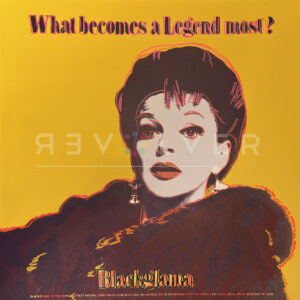
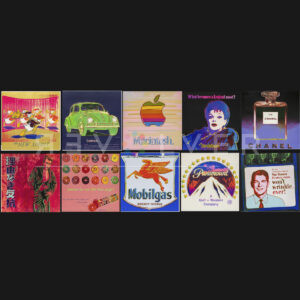
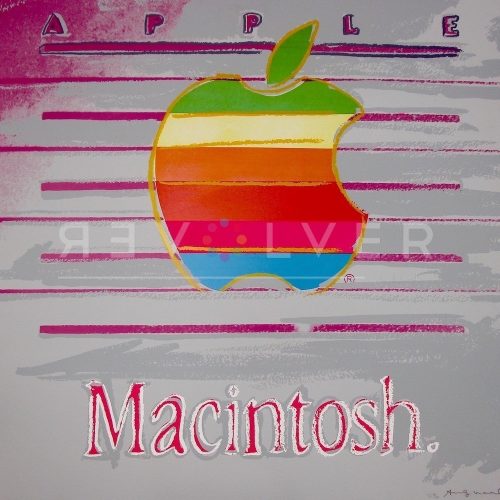
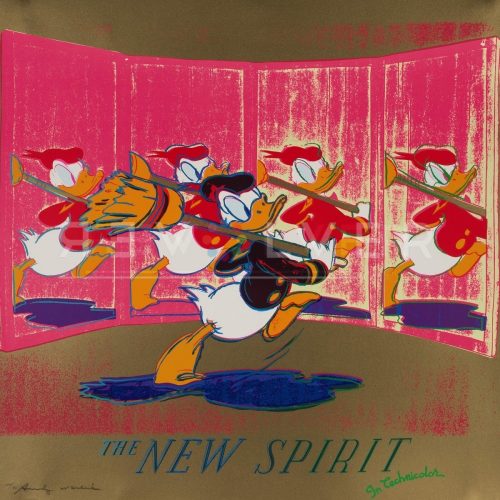
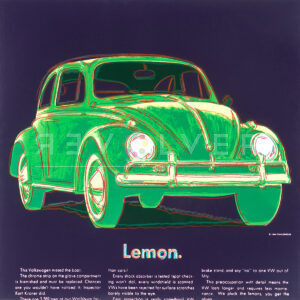
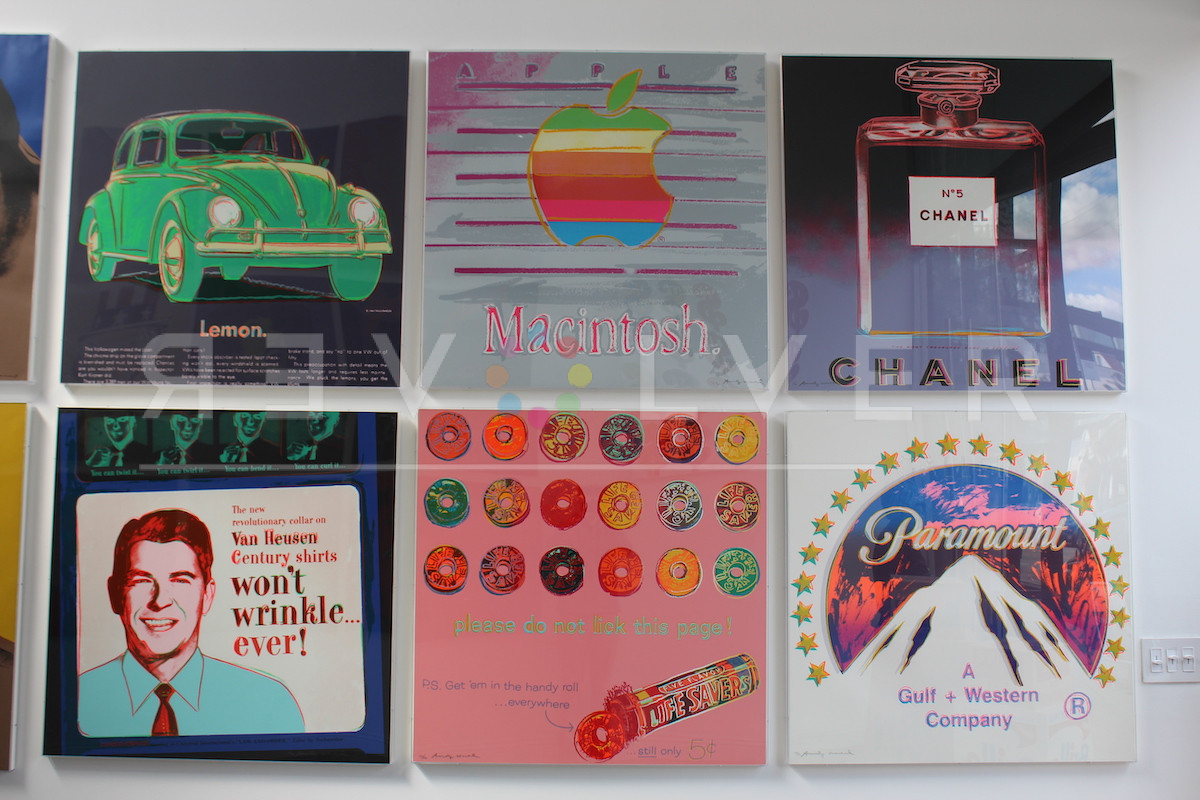
Little speaks to Warhol’s obsession with consumerist culture better than his Ads portfolio, which was commissioned by Ronald Feldman of Feldman Fine Arts. The Ads portfolio is made up of Rebel Without a Cause (James Dean), Blackglama (Judy Garland), Paramount, Van Heusen (Ronald Reagan), The New Spirit (Donald Duck), Mobil, Apple, Volkswagen, Life Savers, and of course, Chanel 354.
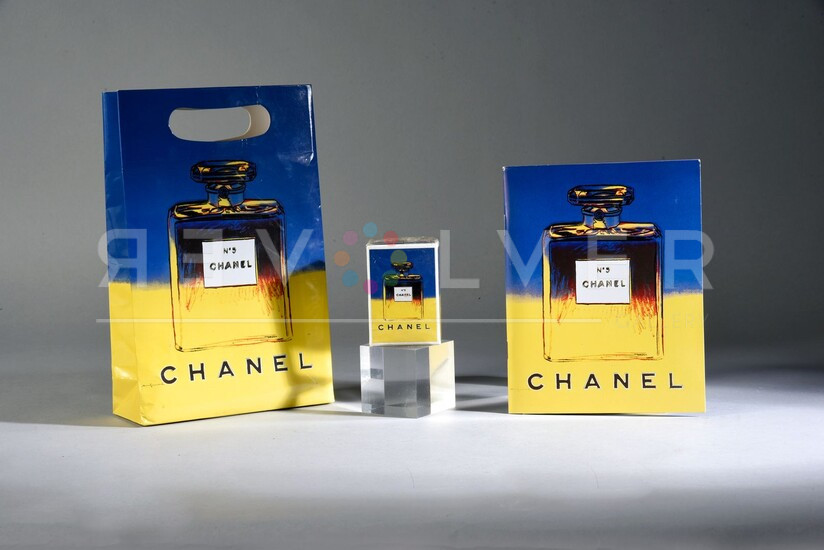
Photo credit: Bottle of Chanel “N°5” in its illustrated cardboard case with a polychrome silkscreen print of Andy Warhol showing the bottle of this perfume, the press kit and the illustrated bag. Courtesy of Coutau-Bégarie & Associates.