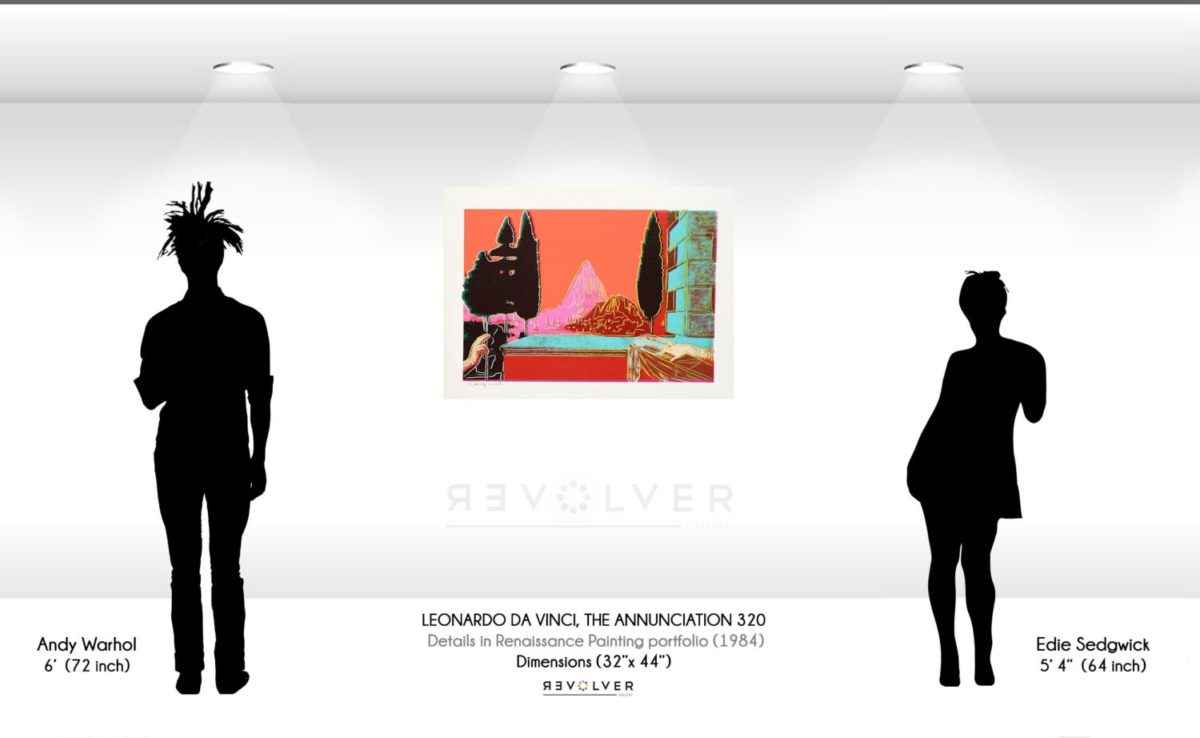
Andy Warhol - Leonardo Da Vinci The Annunciation F.S. II 320 jpg
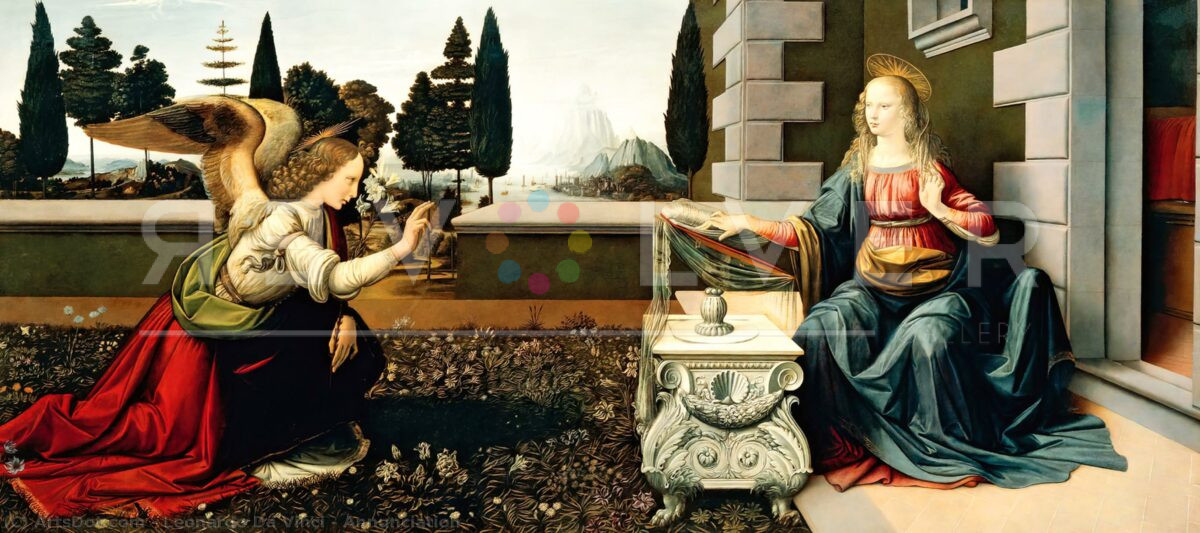
Andy Warhol - Annunciation FS-II-320 jpg
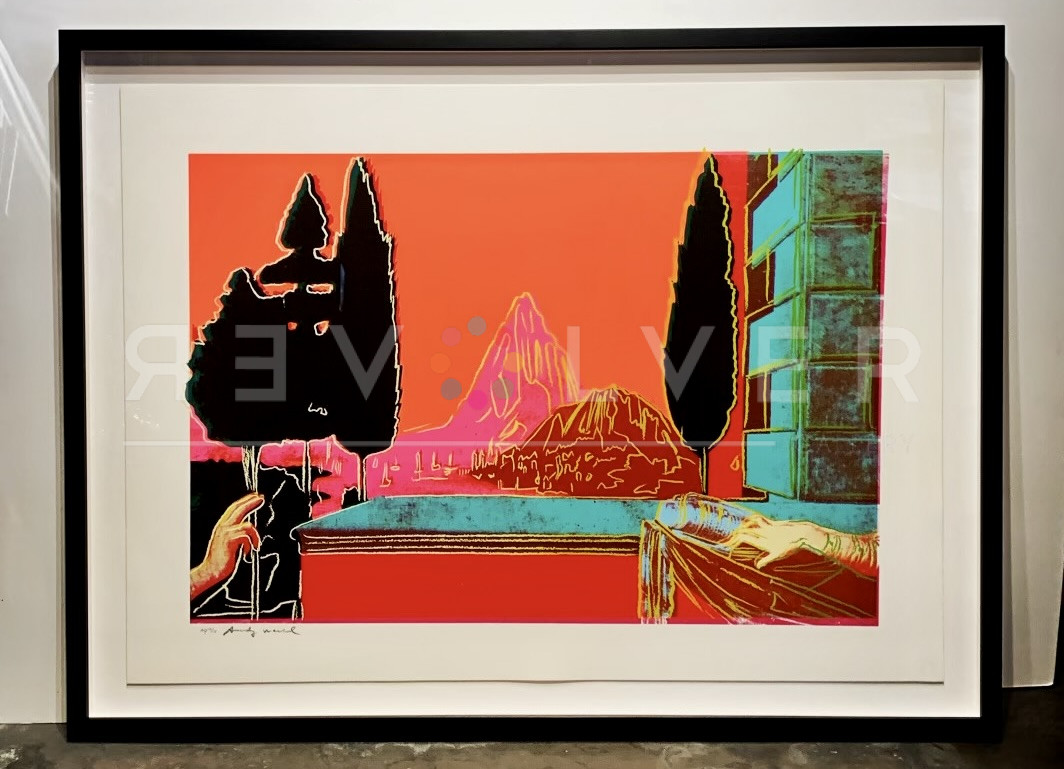
Warhol The Annunciation 320 Wall Display
Photo credit: The Annunciation by Leonardo da Vinci, c. 1472–1476, oil and tempera on poplar panel, 98 cm × 217 cm (39 in × 85 in), located at the Uffizi Palace in Florence, Italy. Courtesy of Wikipedia.

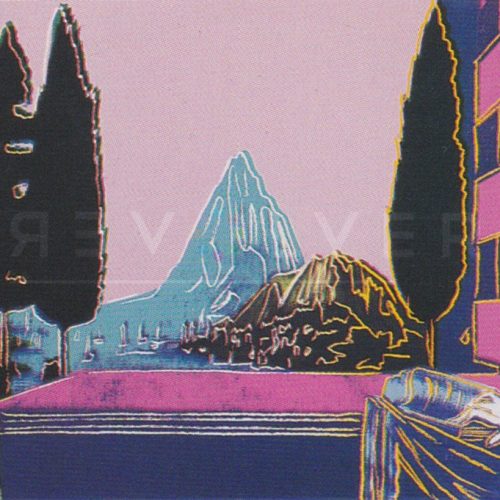
Leonardo Da Vinci, The Annunciation 320

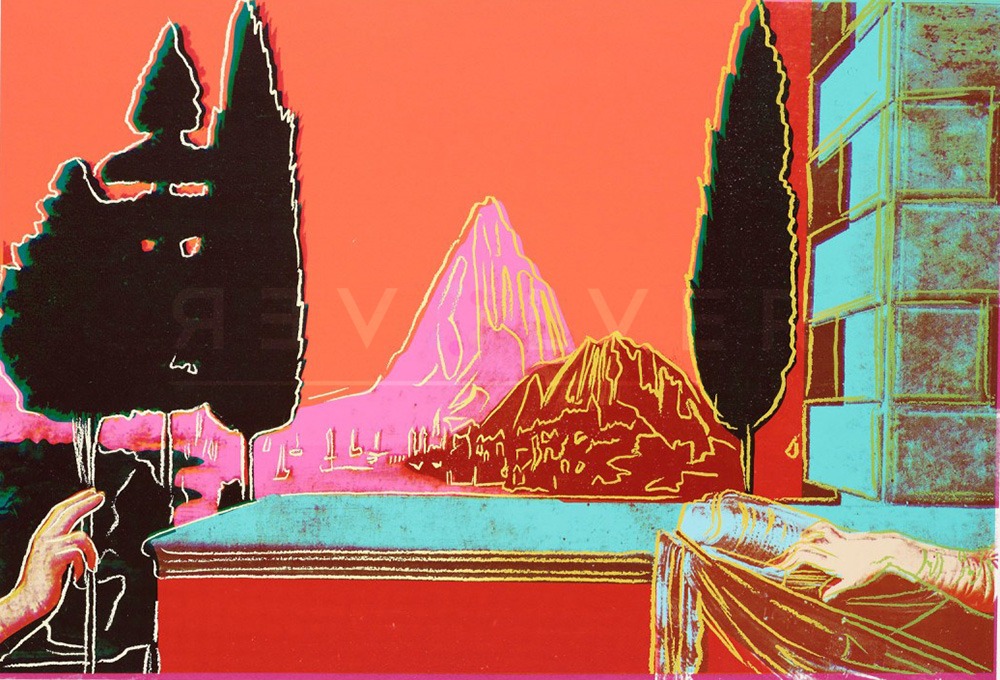
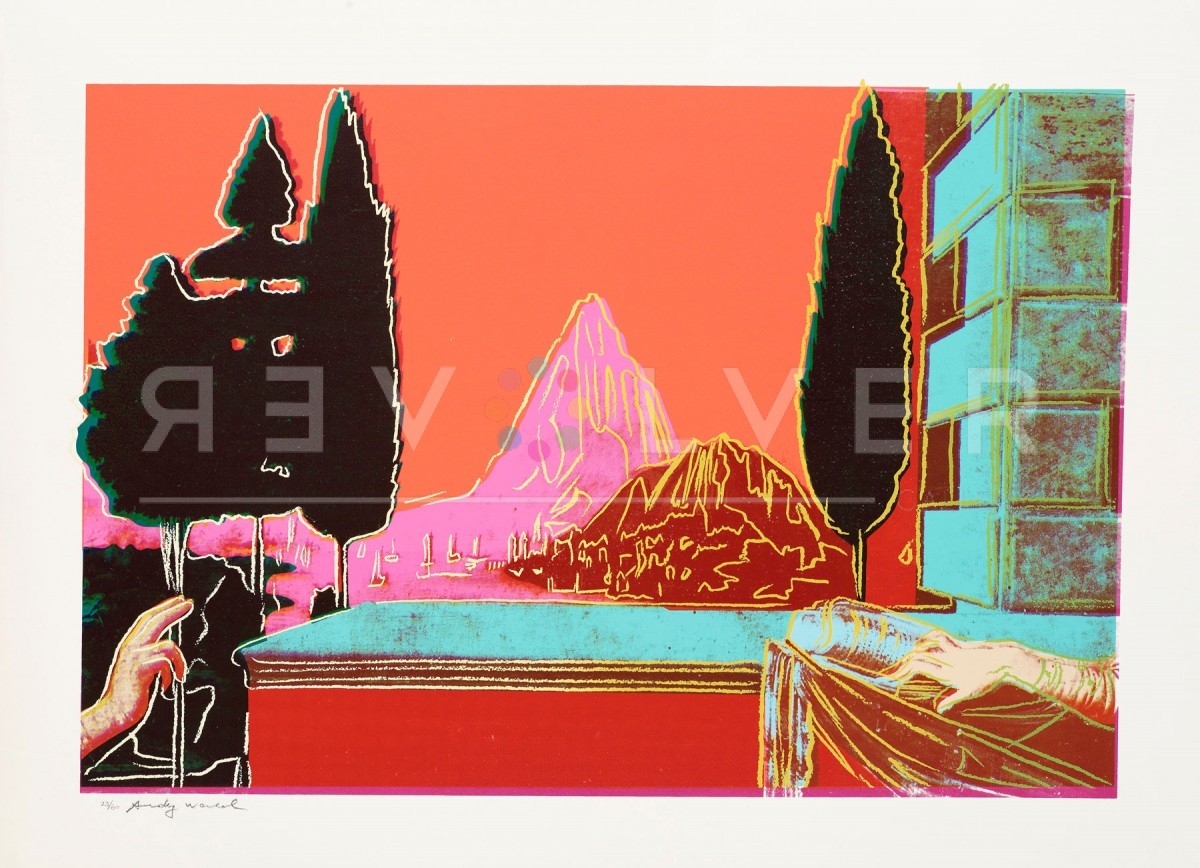
Catalog Title: Details of Renaissance paintings (Leonardo Da Vinci, The Annunciation, 1474) (FS II.321)
Year: 1984
Size: 32" x 44" | 81.3 x 111.8 cm
Medium: Screenprint on Arches Aquarelle (Cold Pressed) paper.
Edition: 60, 15 AP, 5 PP, 4 HC, 36TP portfolios. signed and numbered in pencil lower left.
Name(Required)
This field is hidden when viewing the form

Details of Renaissance Paintings (Leonardo da Vinci, The Annunciation, 1474) 320 by Andy Warhol reimagines one of Leonardo da Vinci’s early masterpieces through a Pop Art lens. This 1984 screenprint transforms the serene biblical scene into a dazzling composition of neon pinks, oranges, and blues. Warhol isolates detaild from The Annunciation—the cypress trees and distant landscape—and in doing so he turns the Renaissance setting into a cinematic dreamscape. Through color and contrast, he fuses sacred art with commercial aesthetics, breathing contemporary energy into a timeless subject.

Reimagining the Renaissance Through Pop Art

Warhol’s Details of Renaissance Paintings portfolio revisits classical works from artists such as Leonardo da Vinci, Sandro Botticelli, and Paolo Uccello. Rather than reproducing these paintings in full, Warhol zooms in on select fragments. He focuses on hands, faces, and architectural motifs, inviting viewers to see them as icons of visual culture. By doing so, he transforms the divine calm of Renaissance art into something bold and electric. His vibrant palette and layered silkscreen technique mirror the mass-production methods of the twentieth century. Yet the reverence for the original works remains intact.

Using his signature Pop Art methods, Warhol sought to elevate these canonical images while making them accessible to a modern audience. The result is both homage and reinterpretation. The glowing outlines and saturated hues echo the same fascination with fame and repetition that defined his portraits of Marilyn Monroe and Liz Taylor. However, in this series, the “celebrity” is art history itself—Da Vinci, Botticelli, and their enduring influence.

Leonardo da Vinci’s Legacy in Warhol’s Larger Body of Work

Warhol’s silkscreening process allowed him to produce variations efficiently, each with unique color combinations and tonal shifts. This industrial approach reflected his commentary on consumerism and the reproducibility of art. When applied to Renaissance masterpieces, the technique takes on a new irony. Through mechanized reproduction, Warhol not only celebrates Leonardo’s genius. He also questions how mass media redefines the sacred and the historical. In Details of Renaissance Paintings, art itself becomes the subject of Pop culture.

Warhol’s reinterpretation of The Annunciation bridges five centuries of art, linking the spiritual devotion of the Renaissance to the visual excess of the 1980s. The work embodies Warhol’s lifelong fascination with beauty, fame, and the act of looking. By transforming Da Vinci’s tranquil landscape into a field of luminous color, Warhol ensures that the Renaissance, much like celebrity culture, continues to capture our collective imagination.

To read more about Warhol’s reinterpretations of Renaissance masterpieces, visit our feature article Warhol’s Renaissance Redux.

Photo credit: The Annunciation by Leonardo da Vinci, c. 1472–1476. Oil and tempera on poplar panel, 98 × 217 cm. Uffizi Gallery, Florence, Italy. Courtesy of Wikipedia.
Share this page:

Related Works