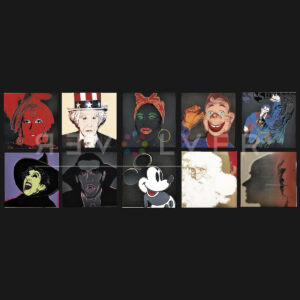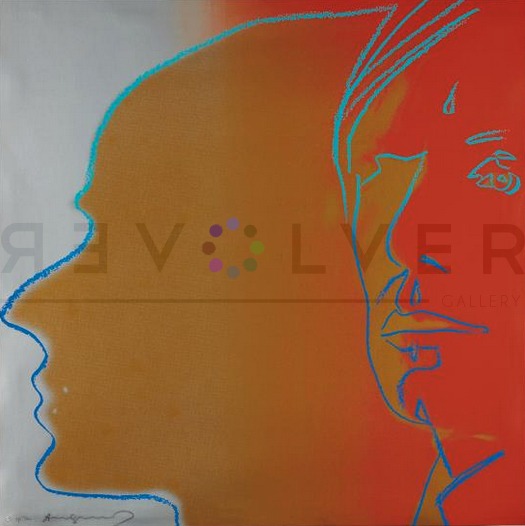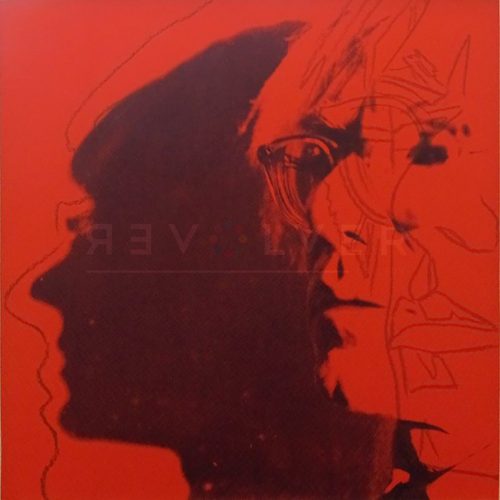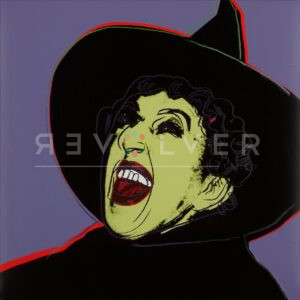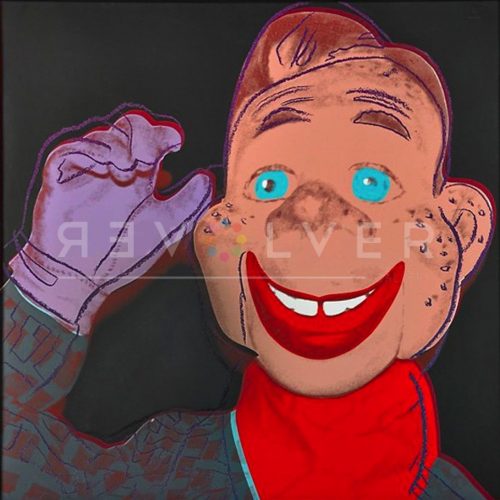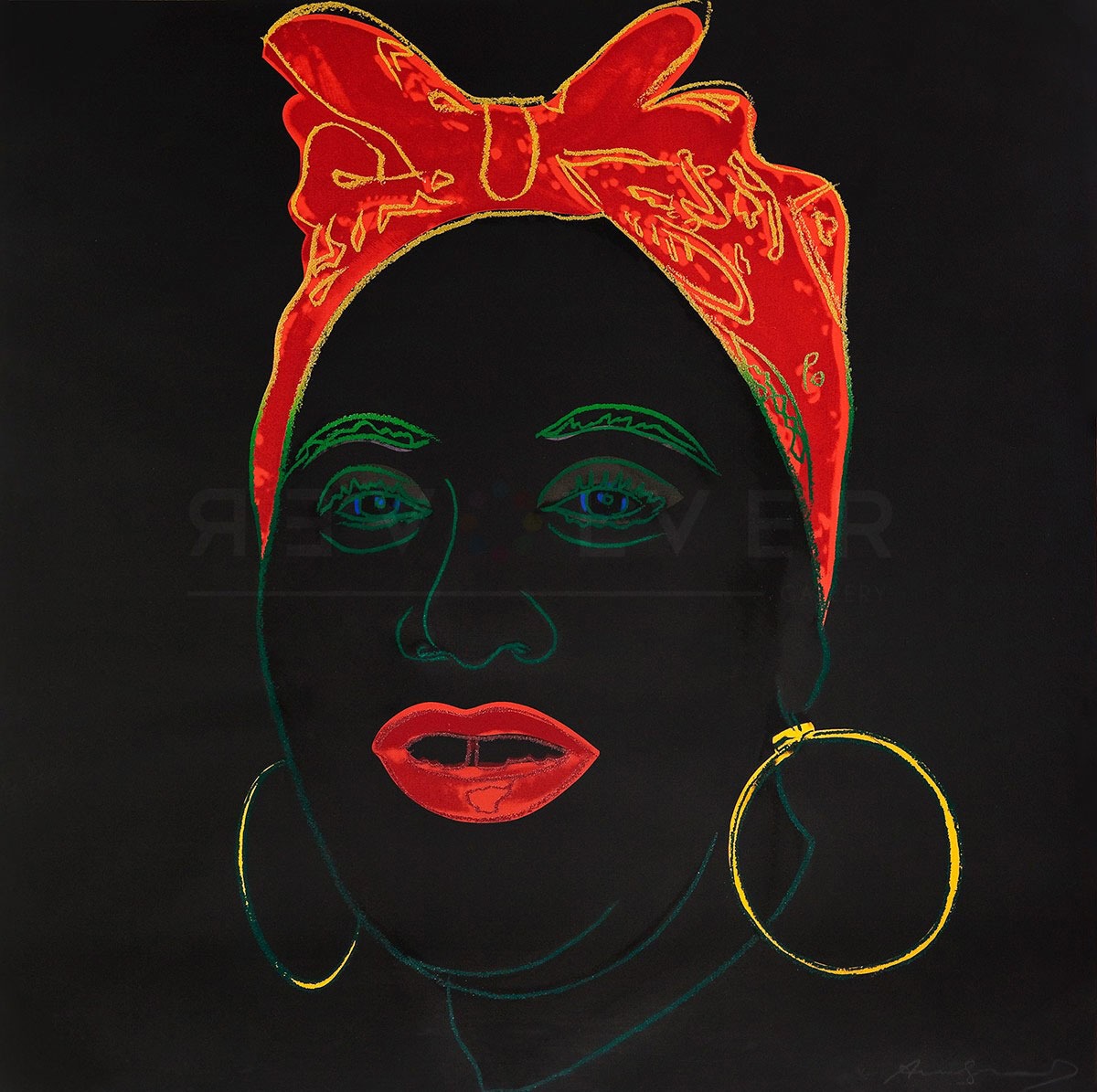
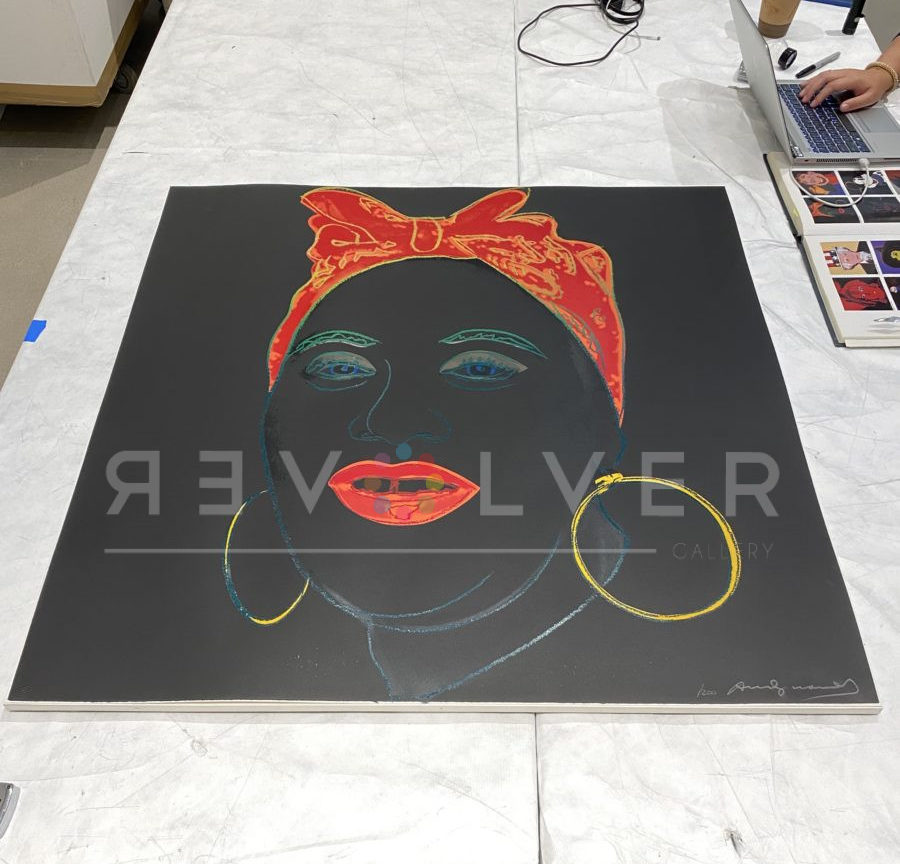
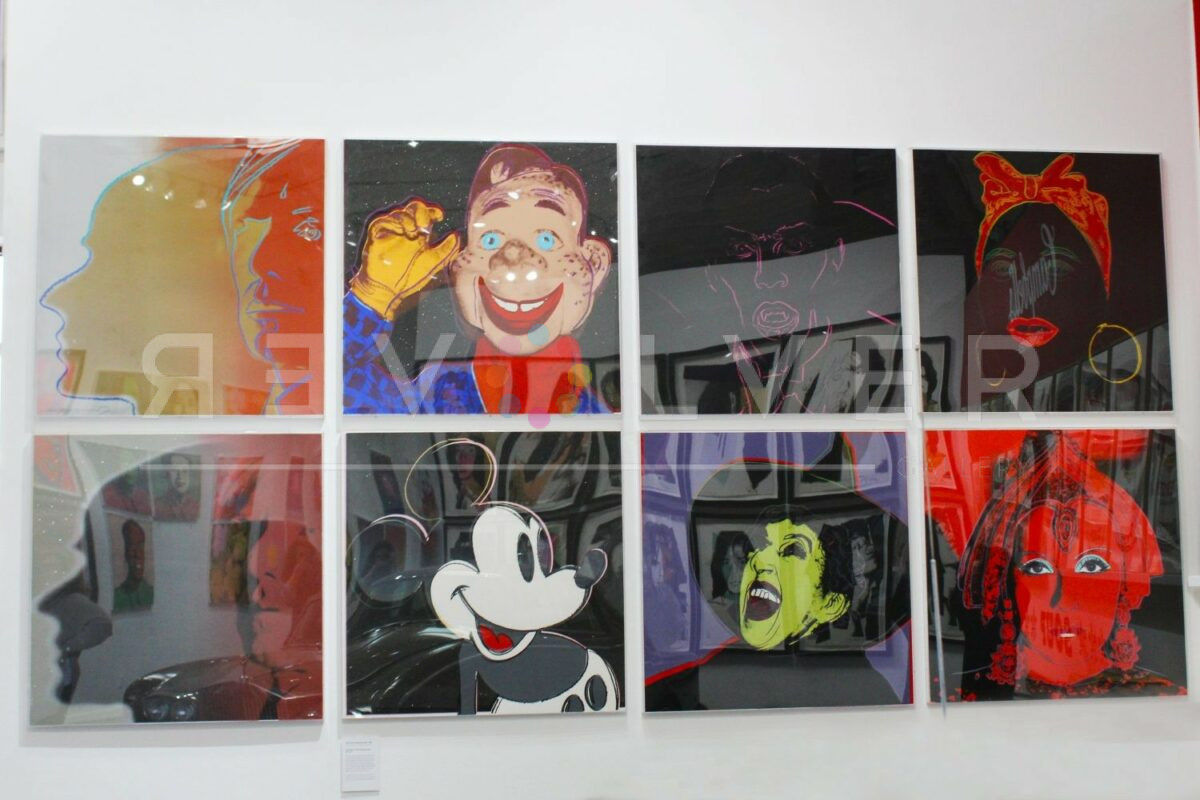
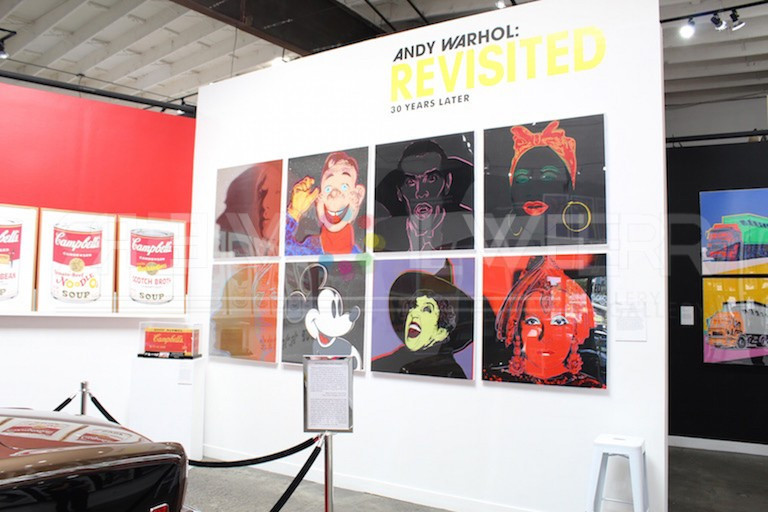
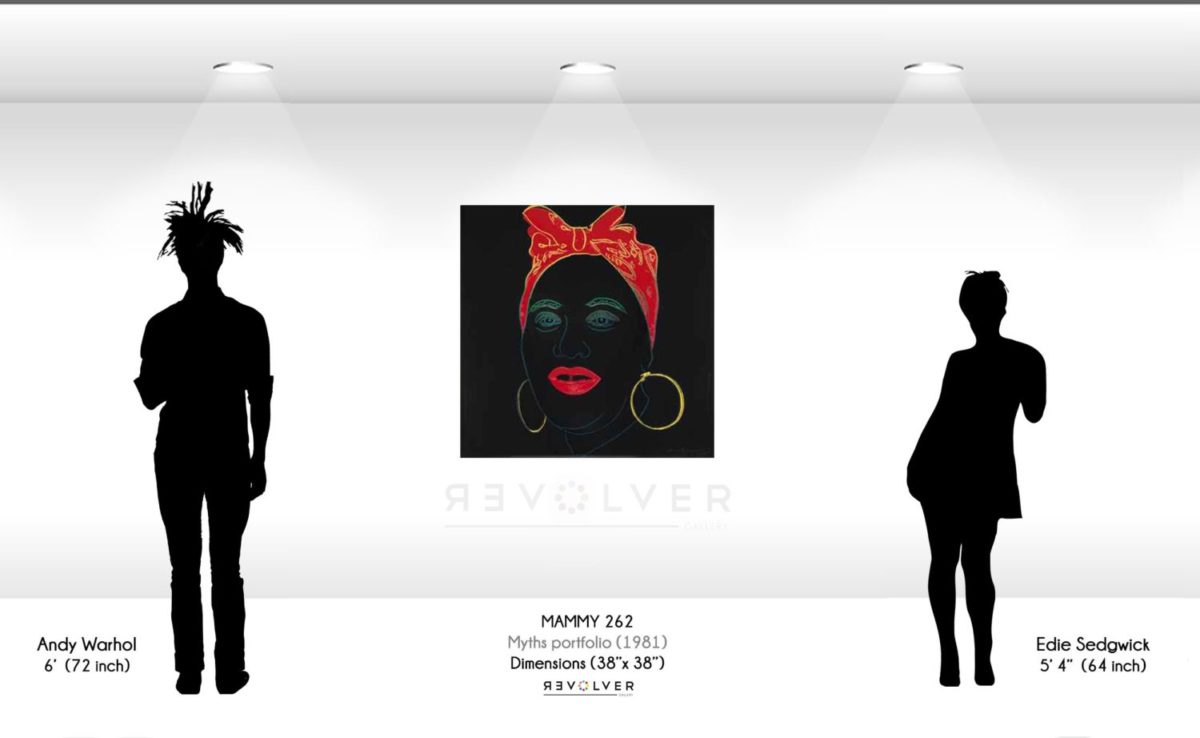

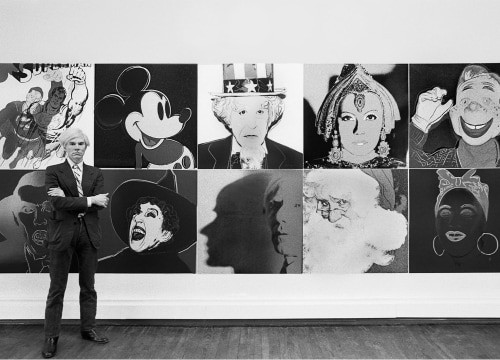
Mammy 262 by Andy Warhol is one of ten screenprints from the Myths portfolio created in 1981. Warhol’s enduring grip on popular culture inspired collections of consumerist and celebrity imagery that made him famous, featuring the likes of Marilyn Monroe, Mick Jagger, and iconic commodities like Campbell’s soup. The artist ventured out in terms of subject matter to portray political and community leaders, professional athletes, scholars, inventors, and iconic fictional characters. The Myths collection expands the artist’s interests in the preservation of fame. Straying from the realm of reality, the series depicts globally-recognized figures from old Hollywood films, Walt Disney cartoons, folklore, classic literature, and more. Though these characters derive from numerous sources, they share a common thread in that they transformed the world of entertainment in tremendous ways. Their fame and ubiquity have withstood the test of time, as they remain integral to the intricate legacy of 20th-century American popular culture.
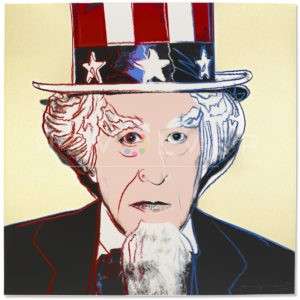
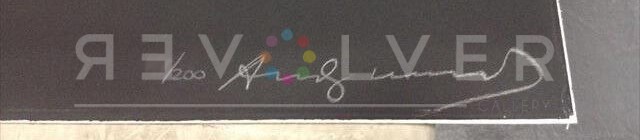
Mammy 262 depicts the outlines of a woman with striking turquoise eyes and golden hoop earrings. Like with Uncle Sam 259, Warhol invited a sitter to embody Mammy: former director of the Smithsonian Institution’s National Museum of African Art, Sylvia Williams. Her ruby lips match the warm colors of her embellished headband and she regards the viewer with a gentle smile. Set against a plain black background, the subject is rendered entirely in muted gestural lines. Unlike some of Warhol’s prints that spotlight colorful figures against equally vivid backgrounds, such Santa Claus and The Witch, Mammy blends into the shadows. The print is decorated with diamond dust, a material Warhol used frequently to enhance the mystique and luster of his artworks. His signature can be seen in the bottom right corner.
“Mammy” does not refer to a distinct character, but a historical archetype—the positive maternal black woman, the devoted caregiver. She appears in various mediums including Victor Fleming’s Civil War drama Gone With the Wind (1939) and Harriet Bleecher Stowe’s anti-slavery novel Uncle Tom’s Cabin (1852). The subject had massive popular appeal, but also a personal association with the artist: each image in the Myths series represents a facet of Warhol’s personality. While Warhol never explicated his reasons for including Mammy 262 in his collection, he possessed an unerring sense of the zeitgeist of his time and understood the importance of her role. Though there are powerful racial controversies surrounding the Mammy caricature, the character dominated American television and is an essential player in Warhol’s narrative of popular culture.
Photo credit: Andy Warhol shooting Mammy. Photograph by Barbara J. Goldner. Courtesy of St. Lawrence University.