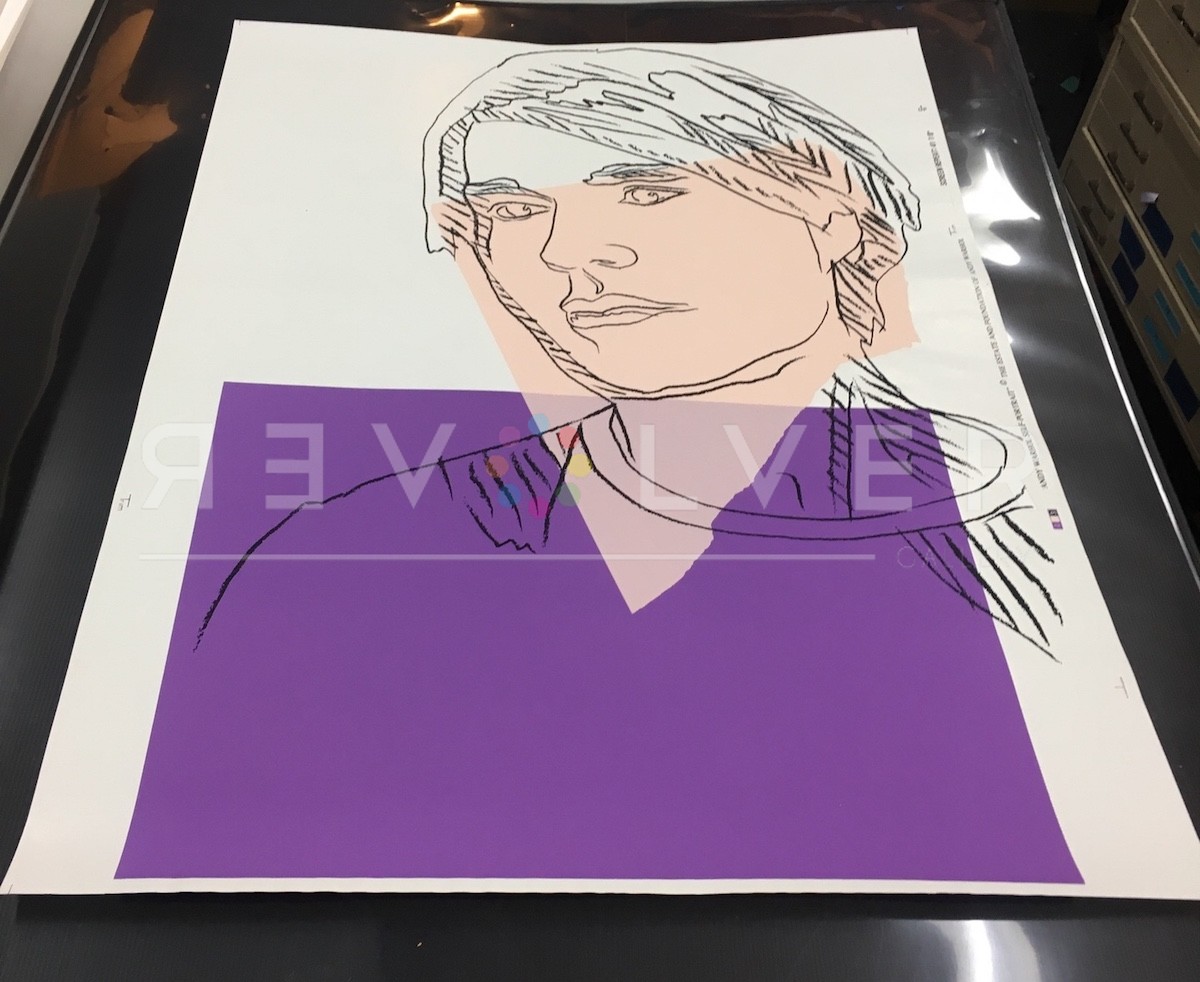

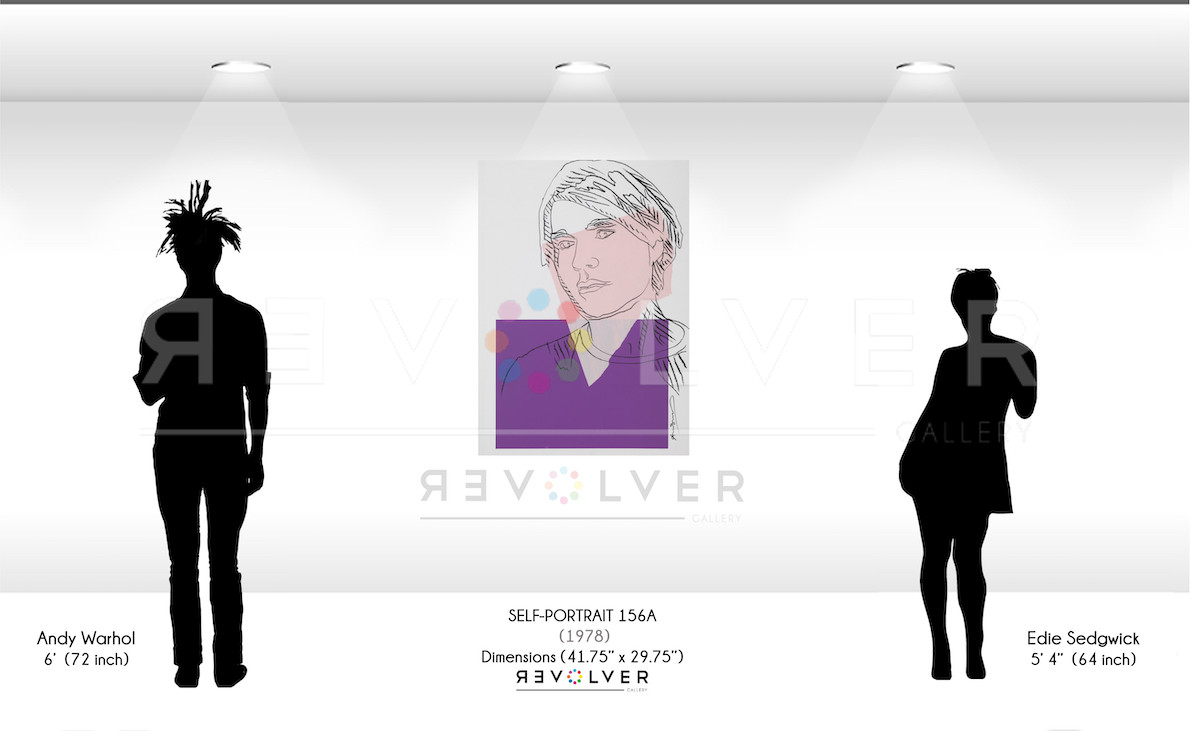
“Capturing the essence of an artist is no easy feat, yet Andy Warhol’s ‘Self-Portrait 156A’ offers a vivid glimpse into the soul of this iconic figure. Published in conjunction with two major European exhibitions in 1978, this artwork stands as a testament to Warhol’s introspective journey and his mastery of self-representation.”
Andy Warhol published Self-Portrait 156A to coincide with the opening of two European exhibitions that featured his work. One of the exhibitions was at the Kunsthaus in Zürich, Switzerland, which ran from May 26 to July 30, 1978. The other exhibition was at the Louisiana Museum of Modern Art in Humlebæck, Denmark from October 6 to November 26, 1978.
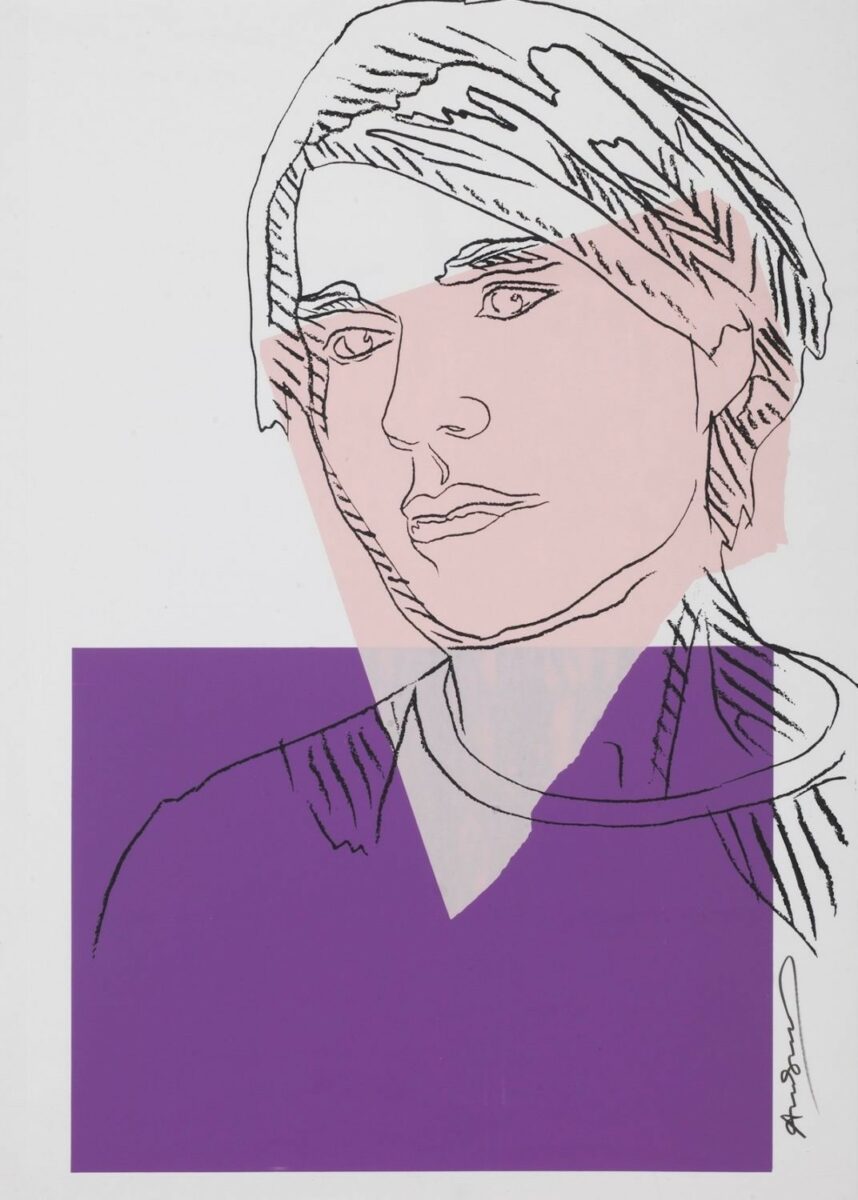
In this captivating work, Warhol presents a distinctive portrayal of his introspective self. With meticulous attention to detail, the artist captures a sense of wistfulness in his expression, offering viewers a more intimate view of himself—a quiet, shy, and contemplative observer of the world. The screenprint features vibrant fuchsia and pink patches that add life to the otherwise straightforward sketch of the artist’s face. These hues infuse the composition with vivacity and draw attention to Warhol’s introspective gaze. By revealing the human side of the artist, the artwork establishes a deeper connection between Warhol and the viewers, offering a glimpse into the enigmatic figure who redefined contemporary art.
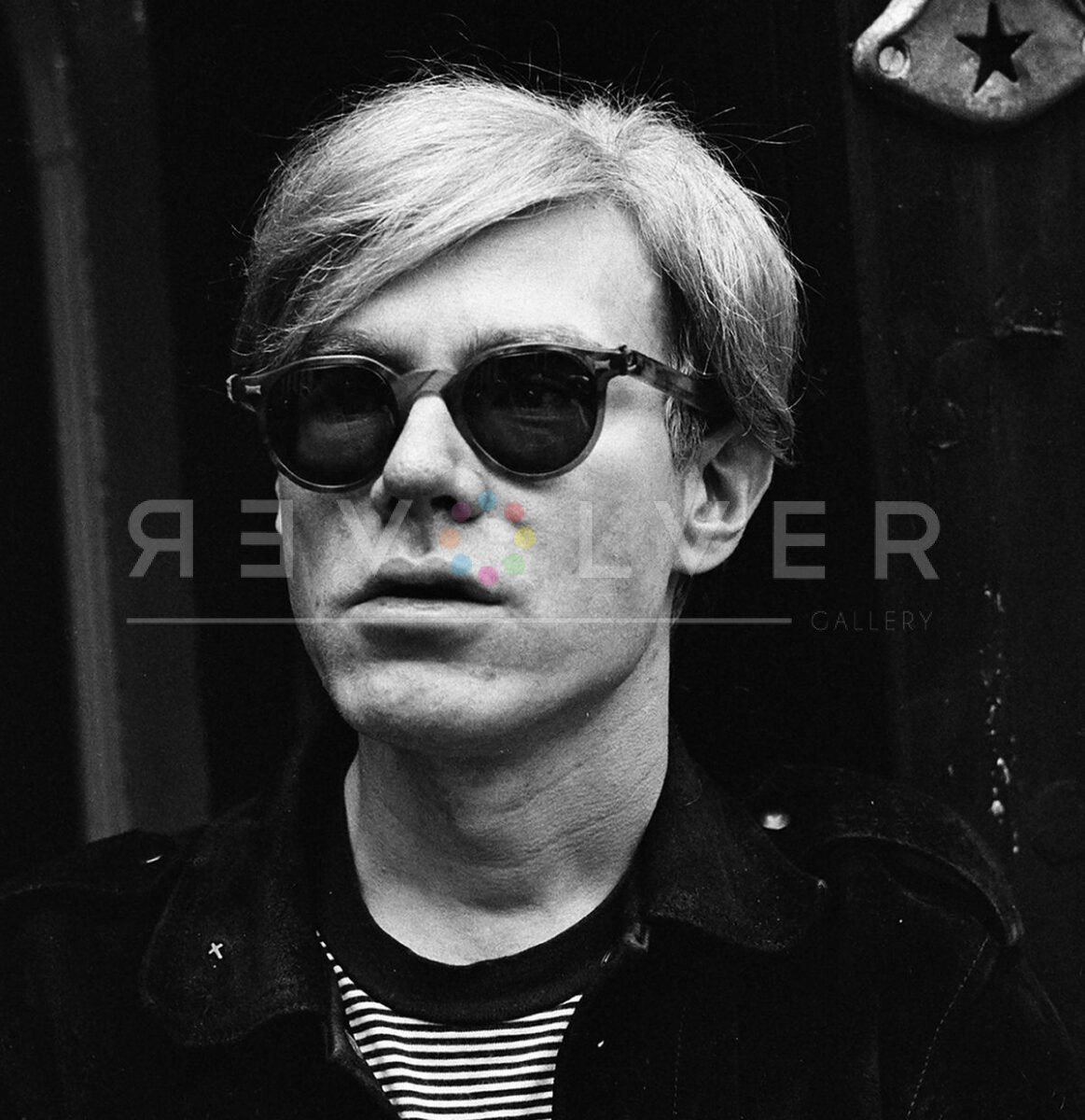
As one of Warhol’s many experiments in self-portraiture, this piece attests to the phase in Warhol’s artistic evolution where he established himself as an iconic subject alongside his other celebrated works. Warhol’s self-portraits evolved throughout his career, as his image became an emblematic representation of the times, becoming as ubiquitous as his art. His fascination with various cameras and printing techniques, specifically during the late 1970s and early 1980s, was one of the impulses behind his experiments with the form.
As part of Warhol’s larger body of work, Self-Portrait (FS II.156A) showcases the artist’s multifaceted exploration of self-representation and identity. His relentless pursuit of self-portraiture allows us to witness the evolution of his artistry and self-perception, making this piece a profound contribution to his artistic legacy.
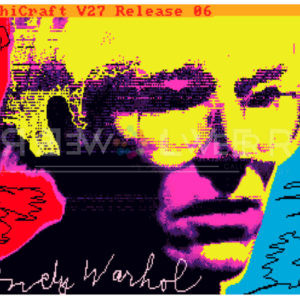
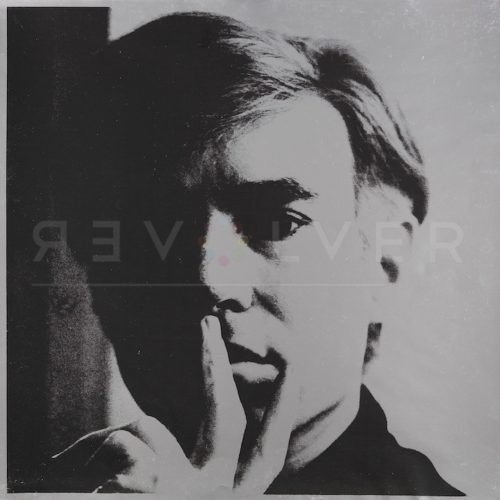
Other self-portraits of Warhol include Self-Portrait (FS II.16), Self-Portrait (Painting), and the Untitled (Self-Portrait) NFT that Warhol created on an Amiga computer.