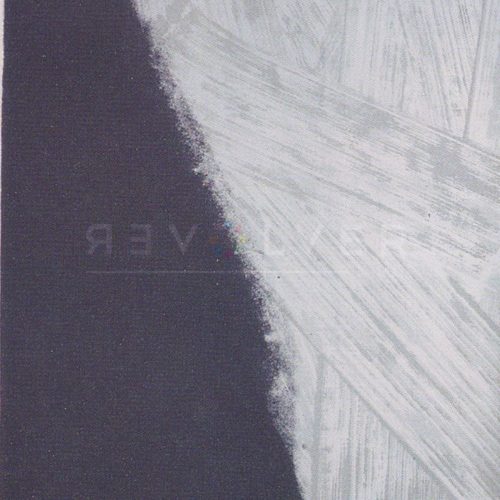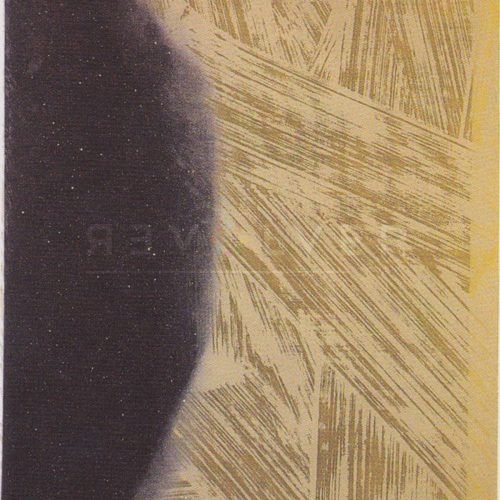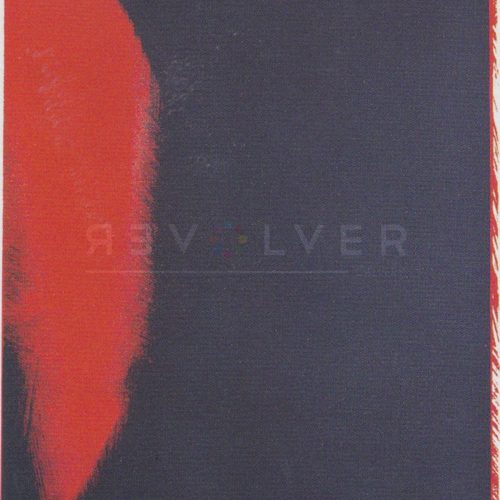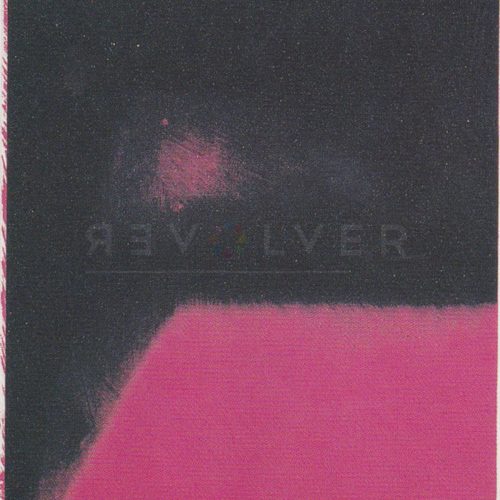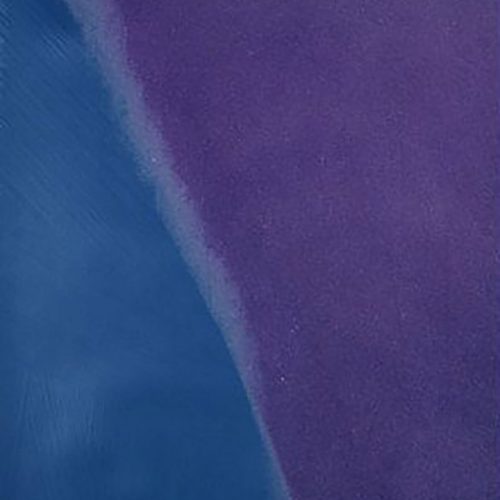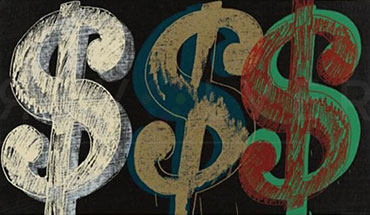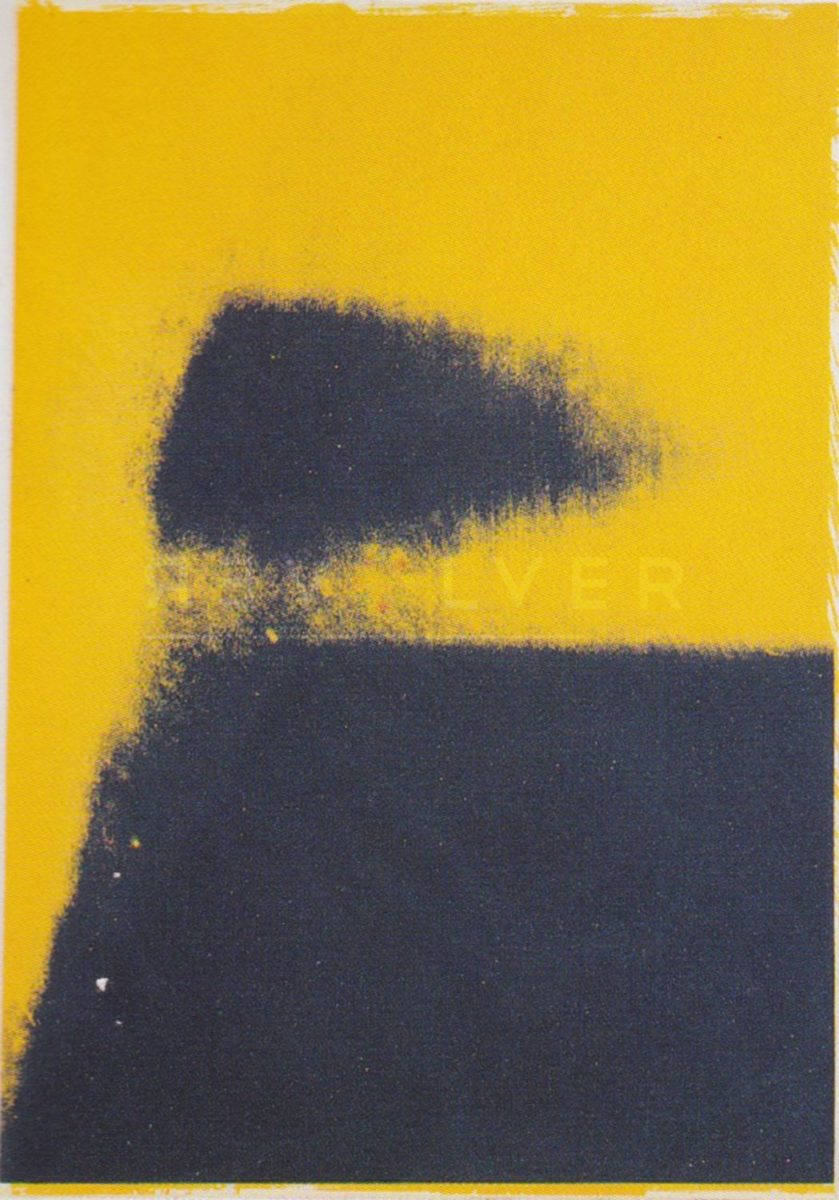
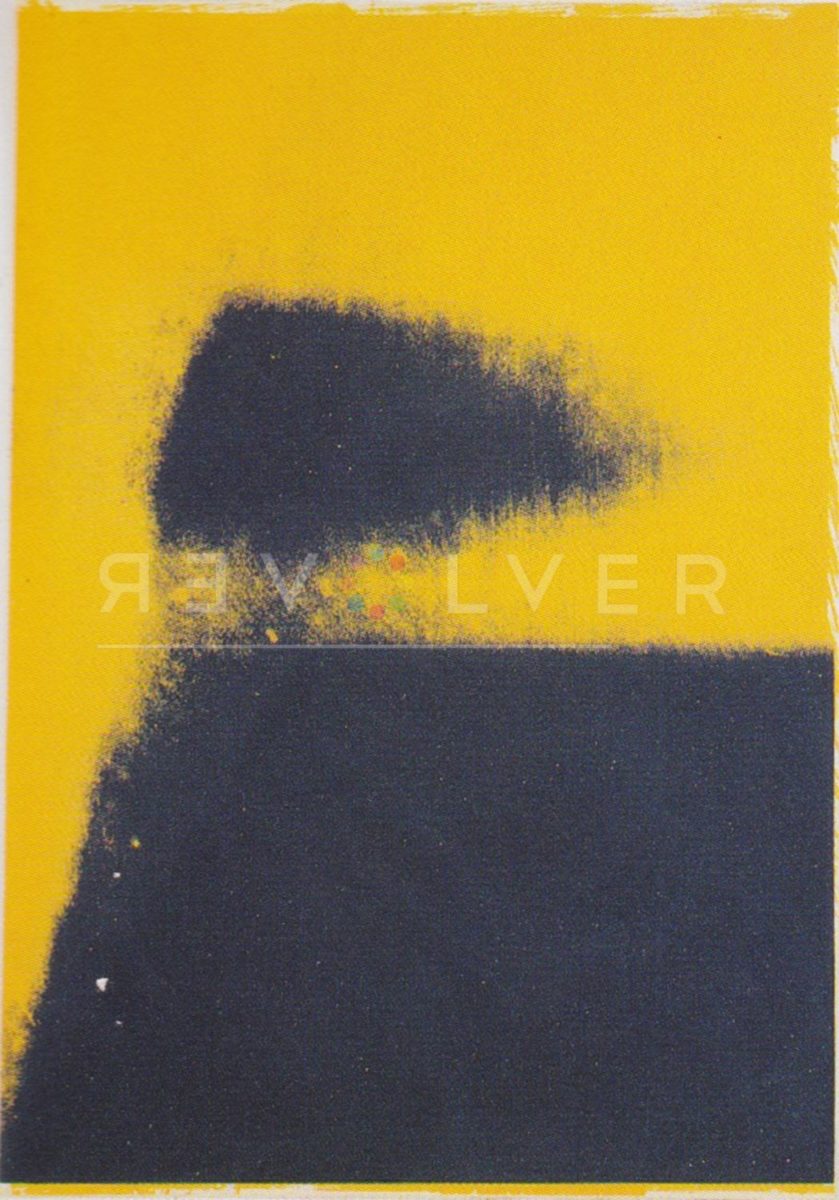
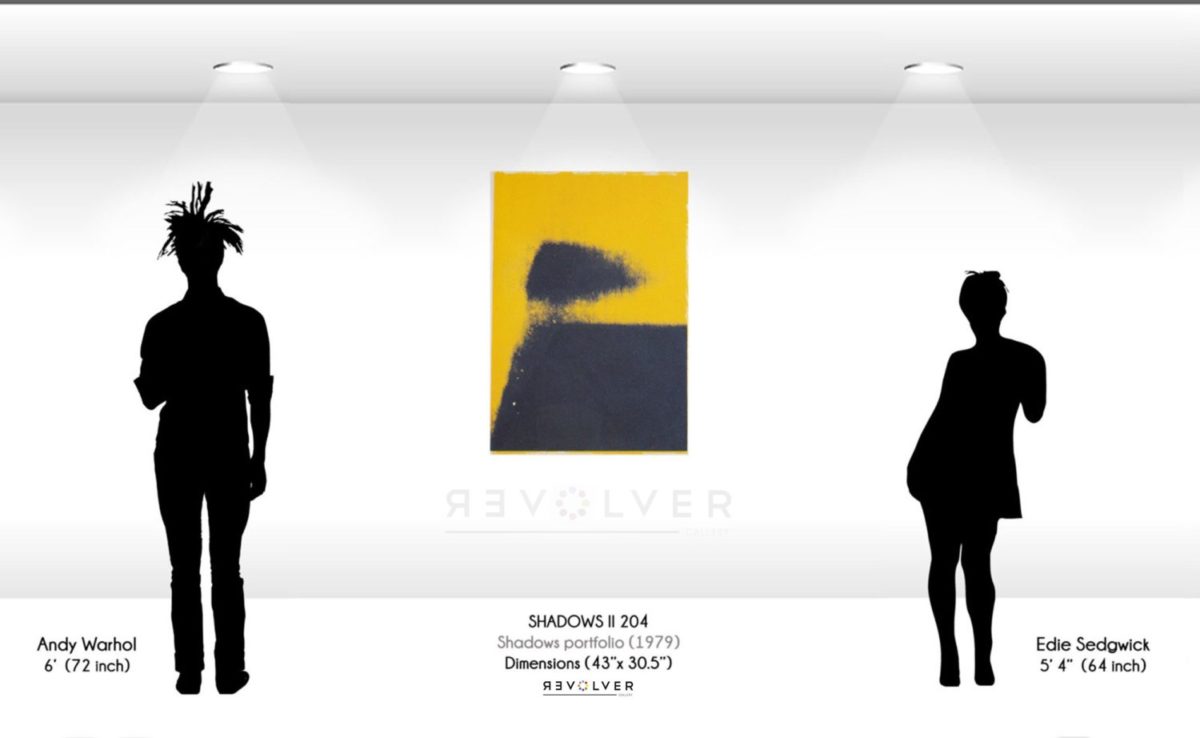
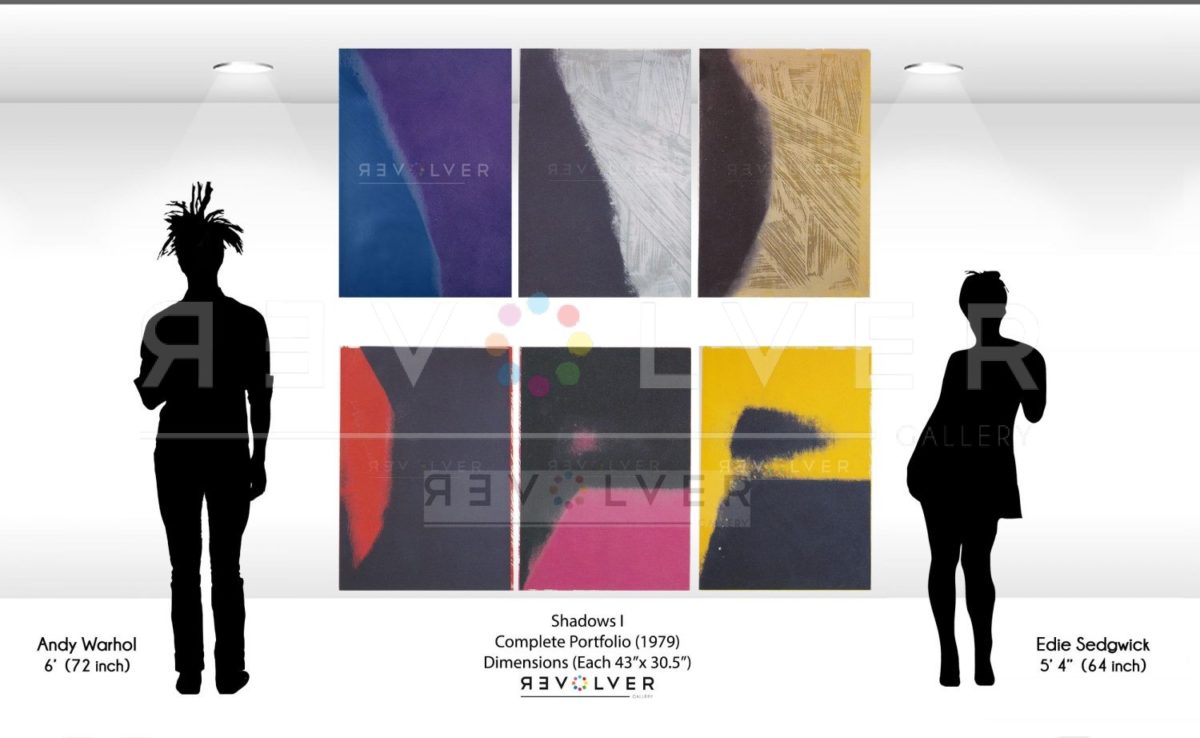
Shadows I 204 by Andy Warhol is one of six screenprints from the artist’s Shadows I portfolio, and part of Warhol’s larger 102-piece Shadows project. Made up of a deep blue shadow against yellow paint, this print exemplifies the moody, abstract characteristics of the Shadows I portfolio and the greater Shadows series. Warhol published Shadows I 204 in 1979 in collaboration with his “master” printer Rupert Jasen Smith. The collection was exhibited that same year at the Heiner Freidrich gallery in New York.
Of the Shadows portfolio, Warhol said, “Someone asked me if I thought they were art and I said no… disco décor.” Playing on this idea, it seems that Warhol felt as if this series was reminiscent of wallpaper more so than high art—perhaps appropriate for gracing the walls of a disco club. He exemplified this feeling when he later used the Shadows for the backdrop of a fashion shoot for Interview magazine. In fact, according to previous MOCA director Philippe Vergne, Warhol said that he dreamed to have the Shadows works cover the walls at Studio 54.
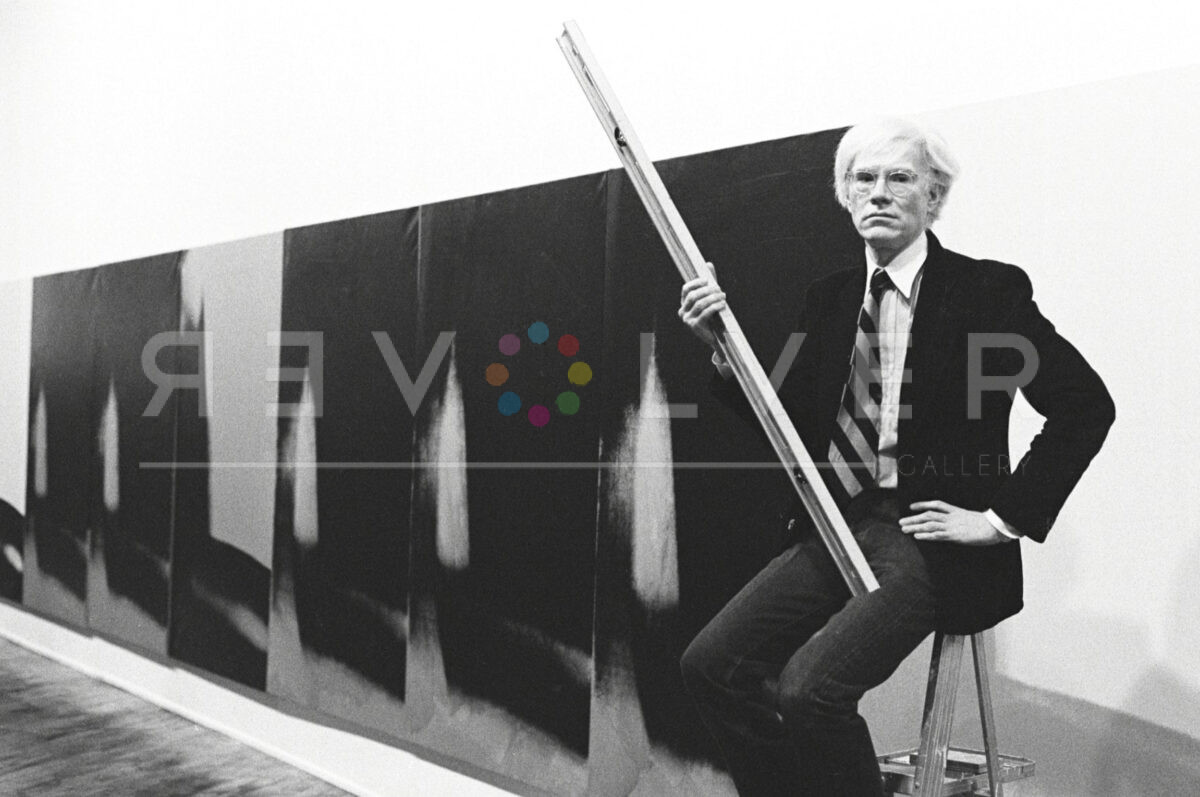
Vergne also says that Warhol never saw all 102 pieces of Shadows presented together. Due to their large scale, all 102 pieces have rarely been exhibited in the same room. Moreover, Warhol never left any instructions on the order in which to hang them, and the pieces are not numbered. They are meant to be hung at random, and Warhol did not want to dictate how to install them. Perhaps leaving room for play, he allowed viewers to have a new experience each time the panels are installed. This idea evokes a new concept, which is not seen in any of Warhol’s other works, as most of his pieces, although organized into portfolios, can be appropriately hung individually. While Shadows I 204 may look gorgeous by itself, it is only fully appreciated when presented in unison with its other colorful counterparts.
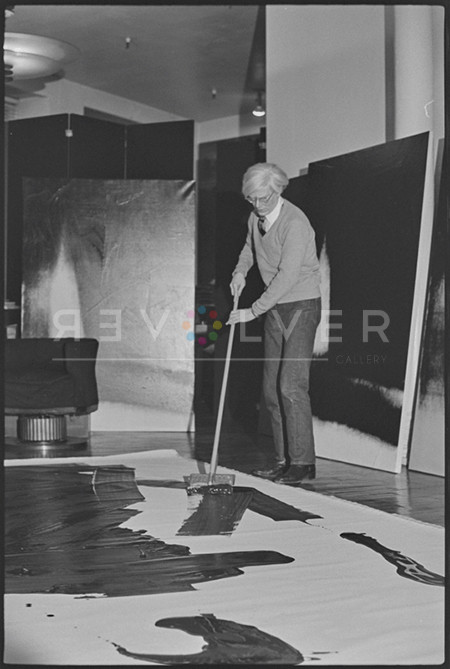
The Shadows I 204 screenprint, as well as other works from the portfolio, were painted with a sponge mop, leaving thick lines and dunes in the paint’s texture. They also include diamond dust (making them even more suitable for adorning the walls of a disco club). Warhol used diamond dust in other works like Double Mickey Mouse, Shoes, and Grapes, as he was inspired to do so by Rupert Jasen Smith who used the technique before in his own work.
The image for Shadows I 204 and other Shadows prints was said to be taken of the light from a desk lamp in Warhol’s studio.
Photo credits:
- Arthur Tress, Andy Warhol, 1979. Image: © Arthur Tress, © Courtesy Dia Art Foundation, New York, Artwork © 2021 The Andy Warhol Foundation for the Visual Arts, Inc. / Artists Rights Society (ARS), New York.
- Warhol priming Shadow paintings, 1979. Image and Artwork: © 2021 The Andy Warhol Foundation for the Visual Arts, Inc. / Artists Rights Society (ARS), New York.