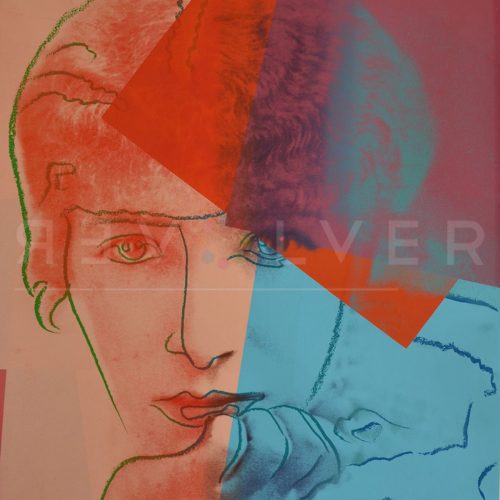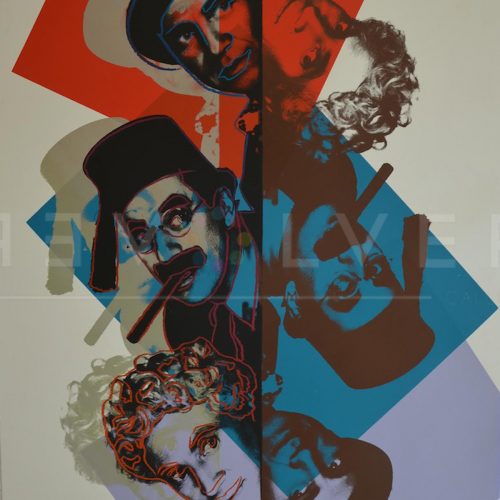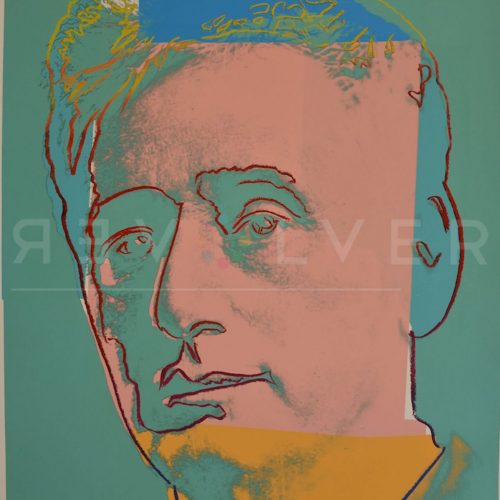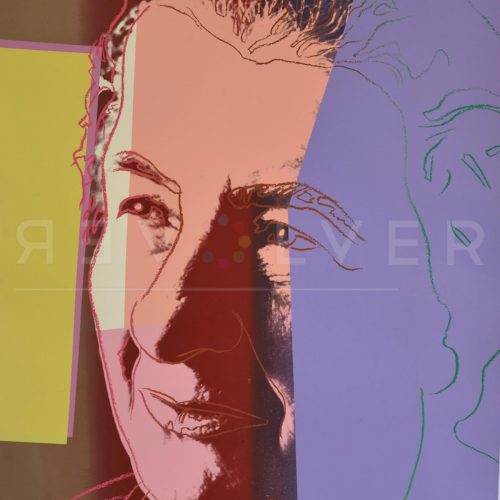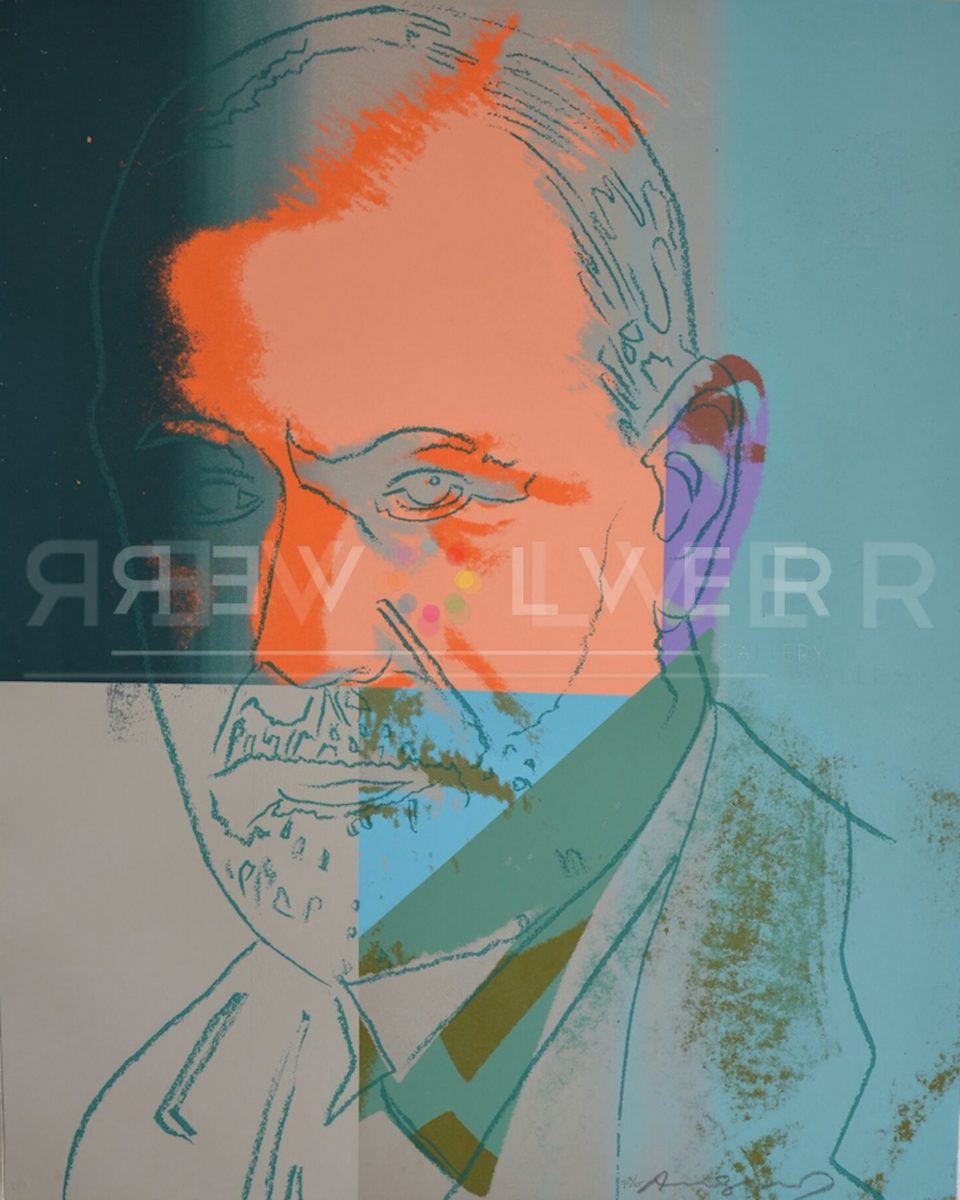
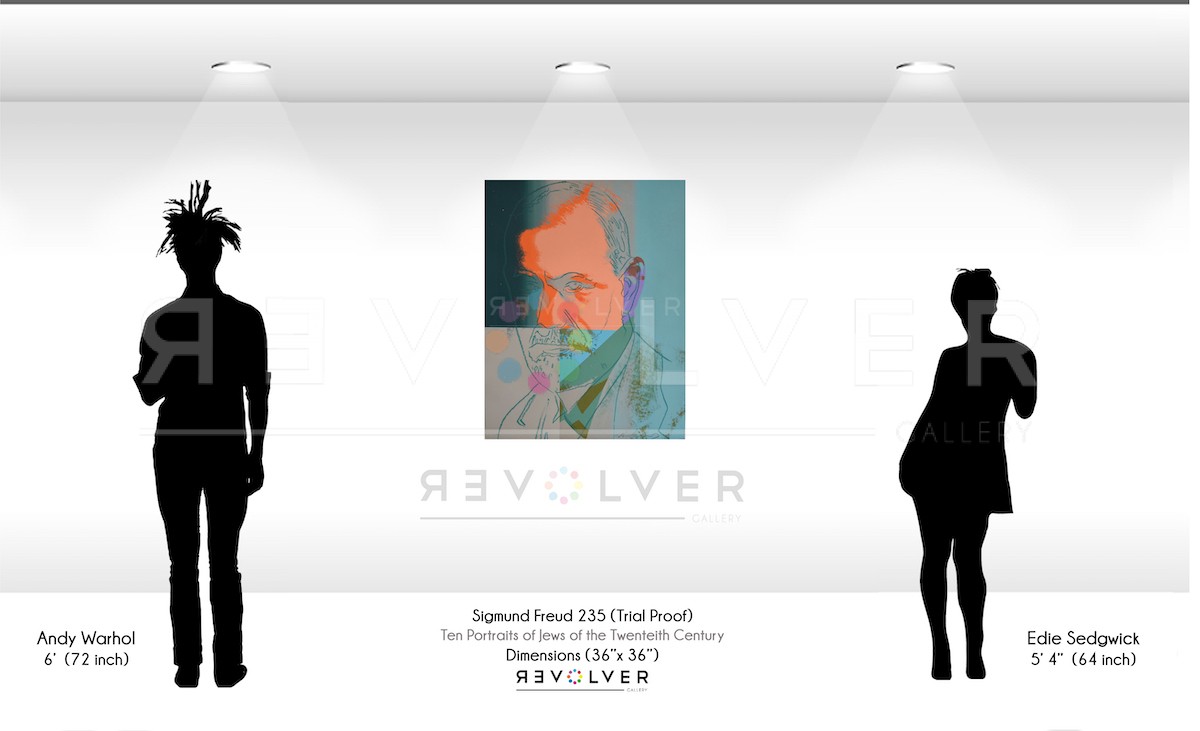
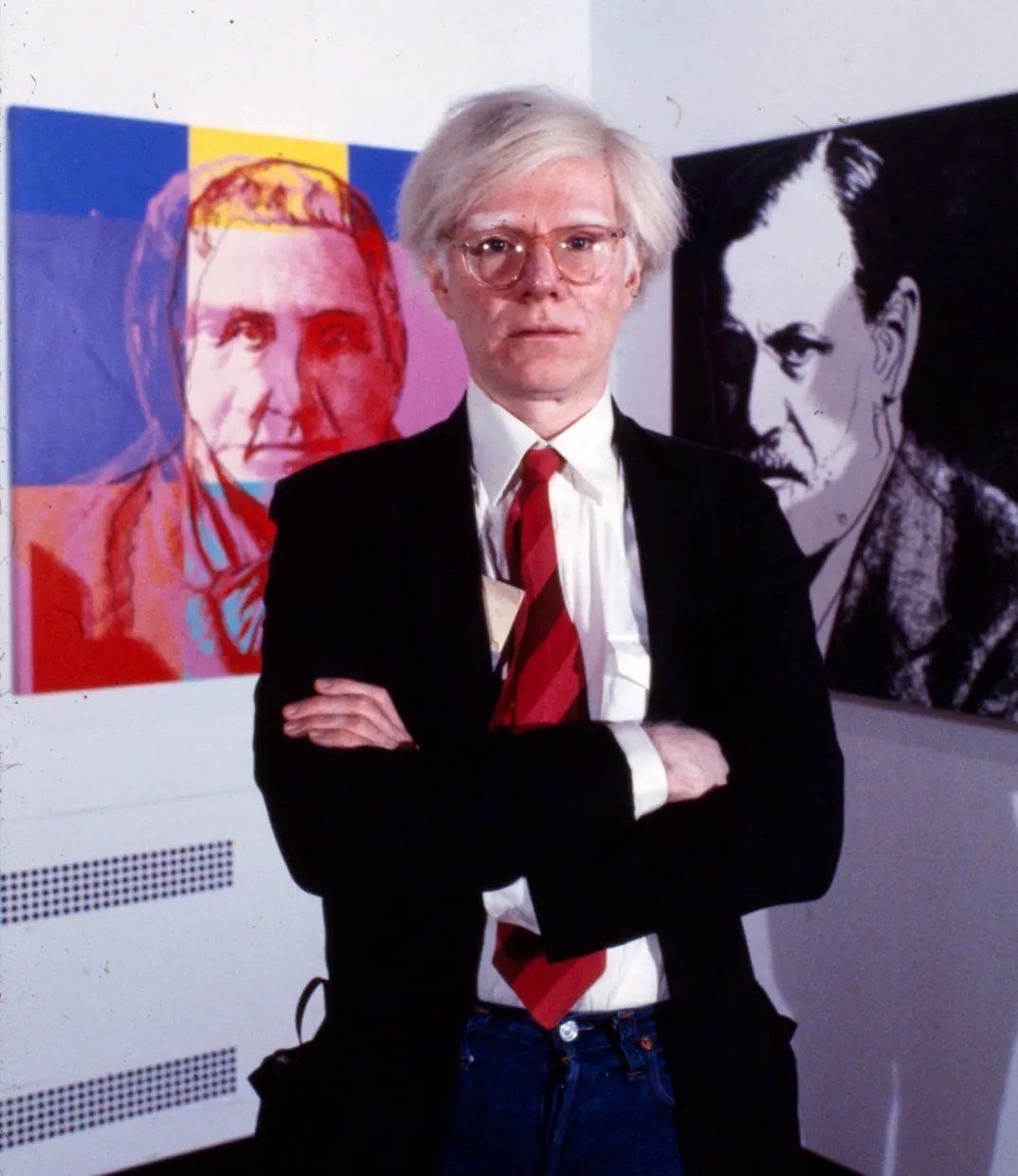
Andy Warhol’s Sigmund Freud 235 is based off of the image of the Austrian neurologist who famously became known as the founding father of psychoanalysis. Freud’s development of this new therapeutic technique involved methods of dream analysis. One of his methods was referred to as the “talking cure” where patients would speak and recall memories in an attempt to reduce the severity of symptoms. While there have been improvements and expansion on his varying theories, Freud remains recognized for his contributions to psychology. His work in the development of therapeutic treatments and theories were very influential outside of the medical field as well. Notably, artists in the surrealist movement took to his ideas of accessing the subconscious and put them to work in their art practices.
Sigmund Freud 235 as Part of Andy Warhol’s Larger Body of Work
Sigmund Freud 235 is a part of Ten Portraits of Jews of the 20th Century. Warhol was prolific in creating portraits of celebrities and was well known for his fascination with fame. It is noted that Warhol’s portraiture tends to reveal only the surface of a subject. In this series of portraits, the type of celebrity Warhol deals with is not so glamorous or typical of his usual pick of movie or rock stars. Each portrait is of a very influential figure in either the arts, sciences, or law.