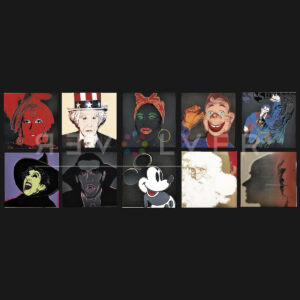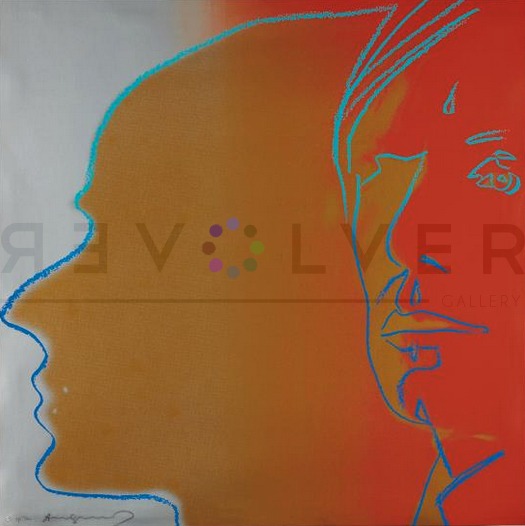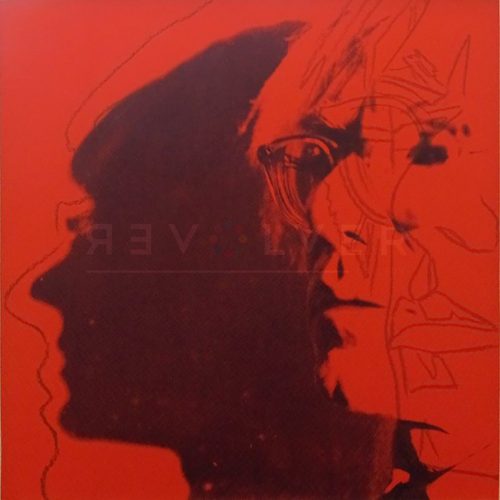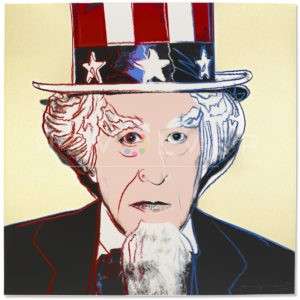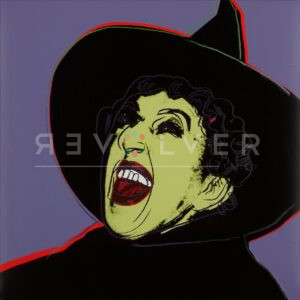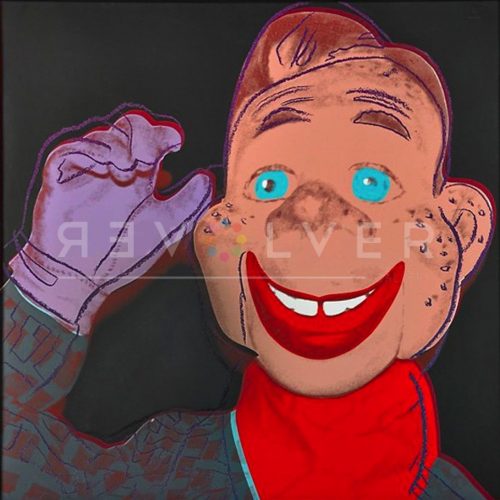
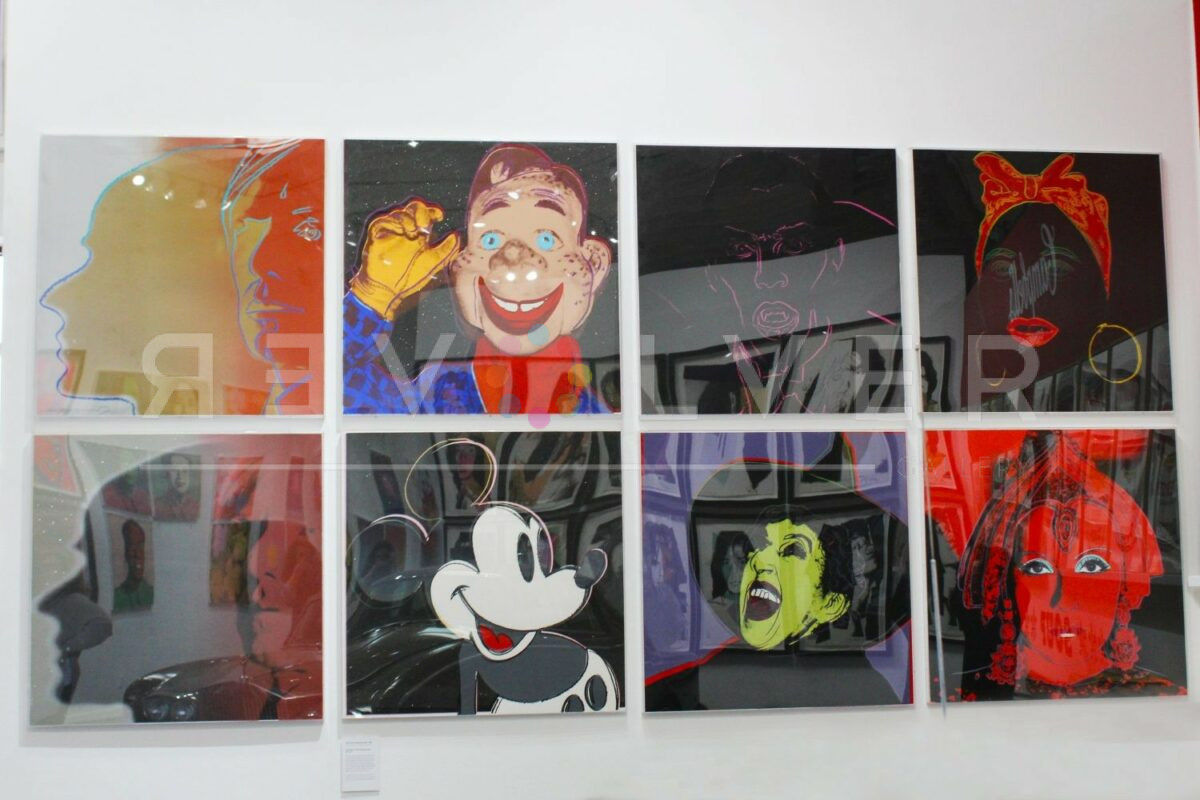
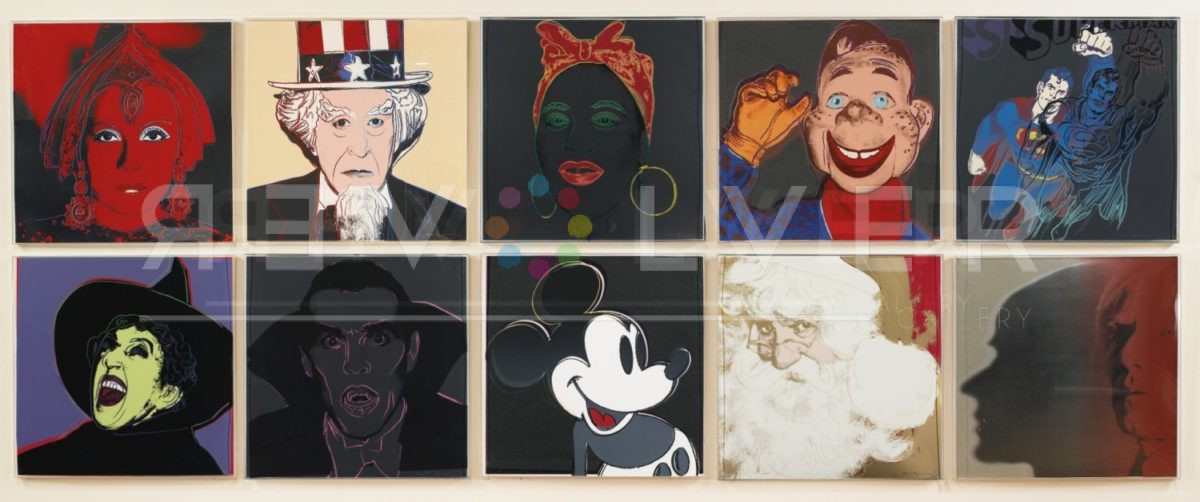
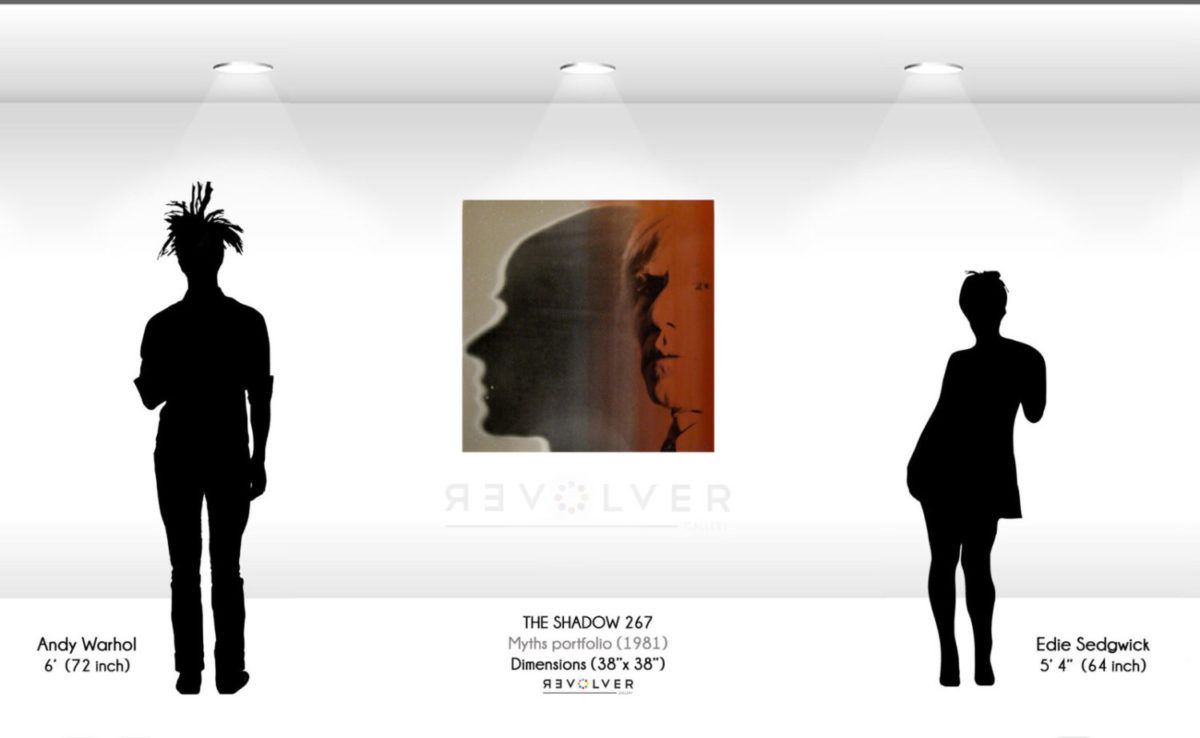
The Shadow 267 is one of ten screen prints from the Myths (1981) portfolio by Andy Warhol. Warhol is best known for his celebrity portraits featuring the likes of Marilyn Monroe, Jackie Kennedy, and more. The Myths collection, however, diverges from Warhol’s traditional work, showcasing various fictional characters that exist only in our fears and fantasies. These characters originate from the pages of our beloved bedtime stories and allegorical tales, as well as our favorite films and television shows. Some are great heroes, others the evilest of villains; some possess supernatural abilities, while others reside in an entirely separate universe; the common thread is that none of them adhere to reality. Still, the portfolio remains aligned with the artist’s fixation on fame and stardom, as the subjects of these prints are icons integral to 20th-century American popular culture. One of the ten prints is unlike the rest: Warhol uses an image of himself to make The Shadow 267.
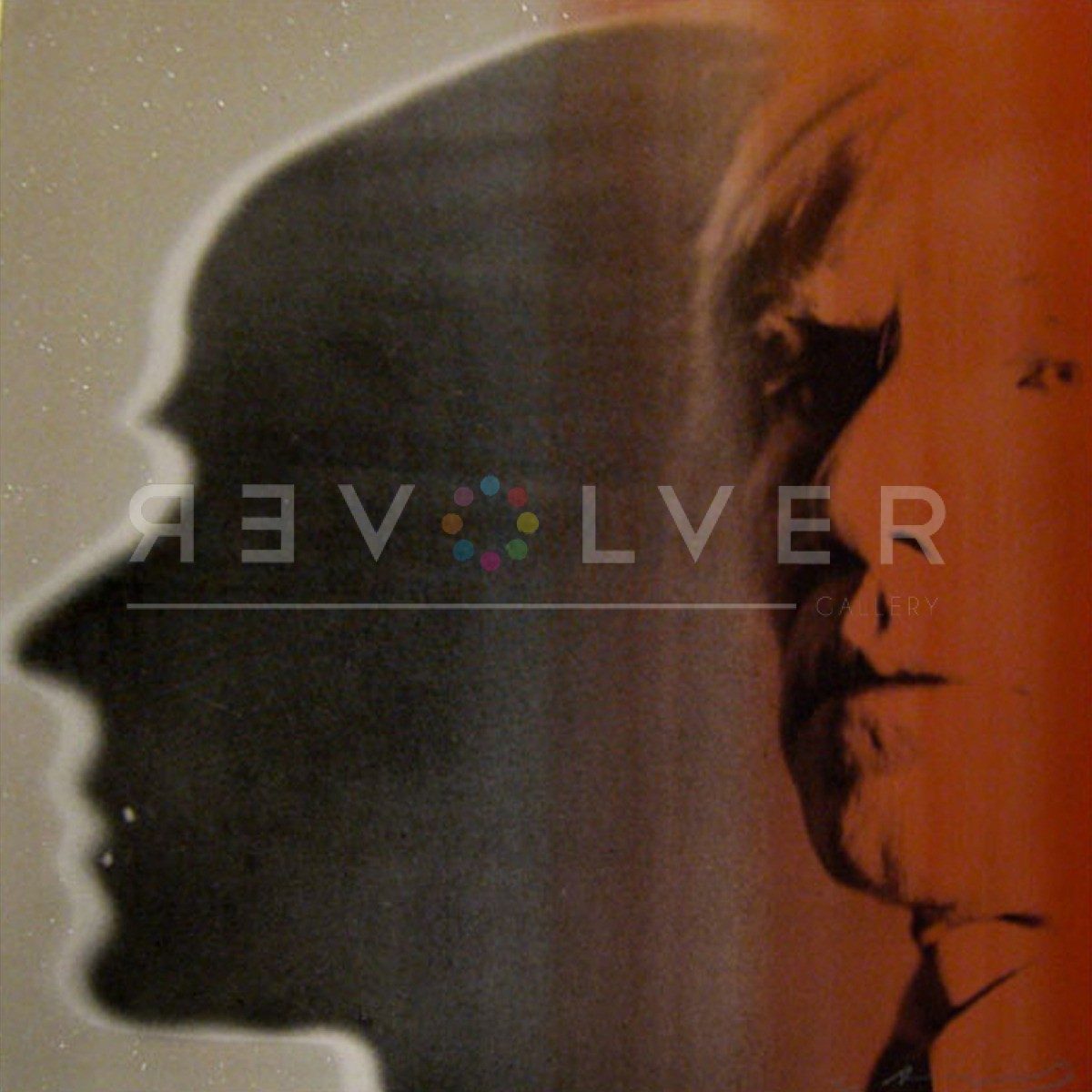
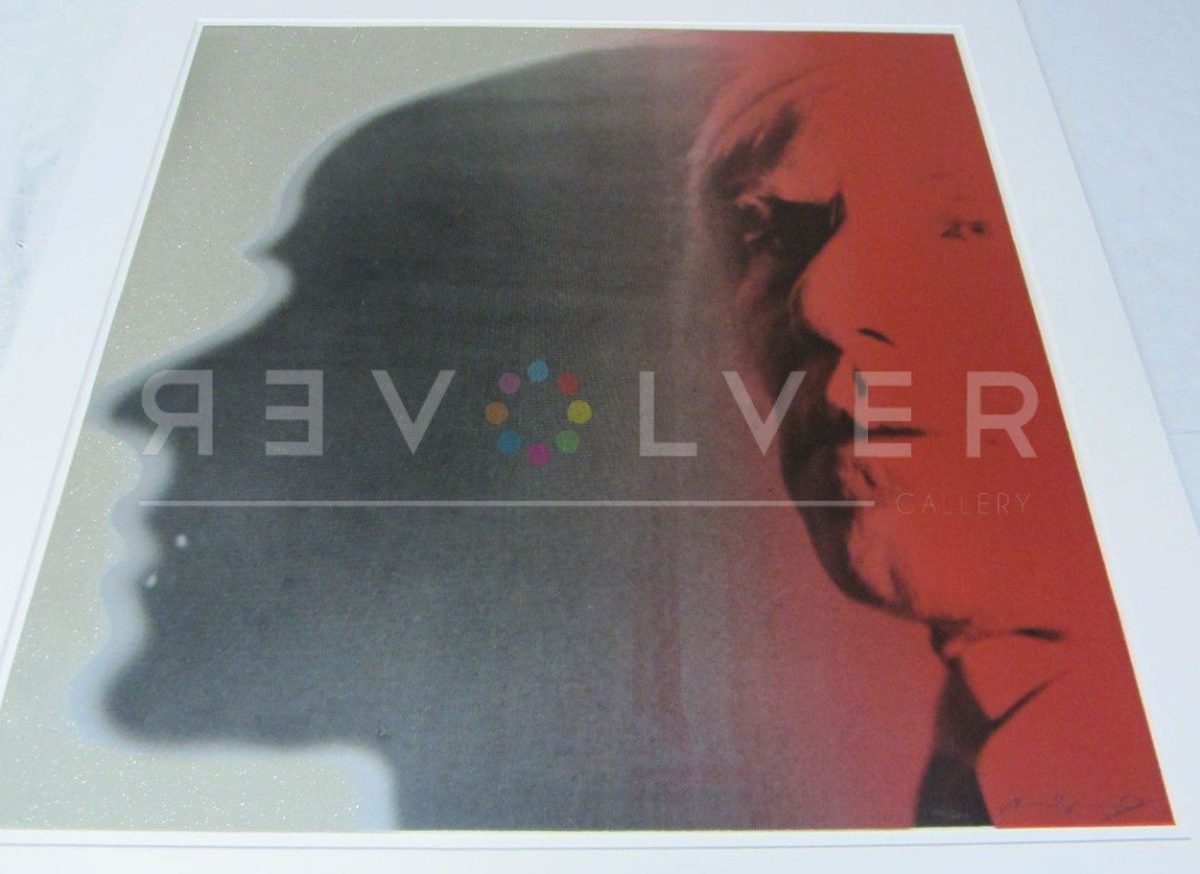
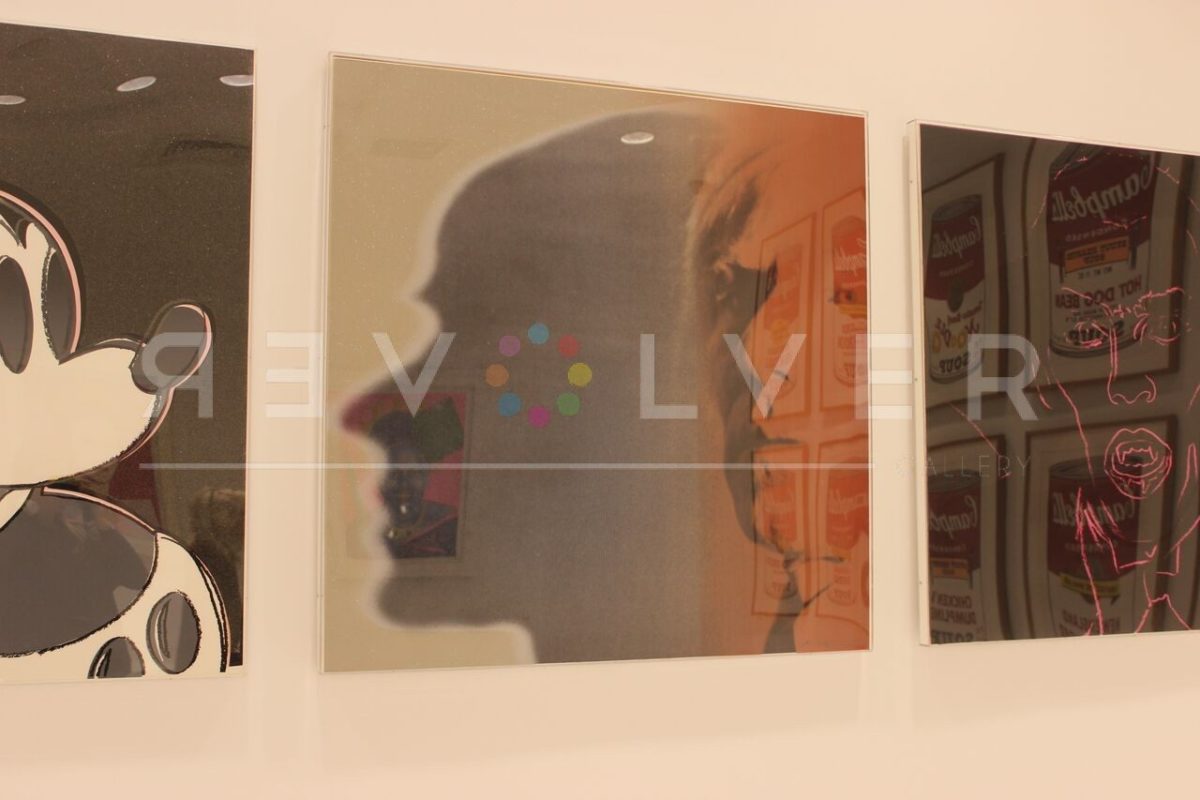
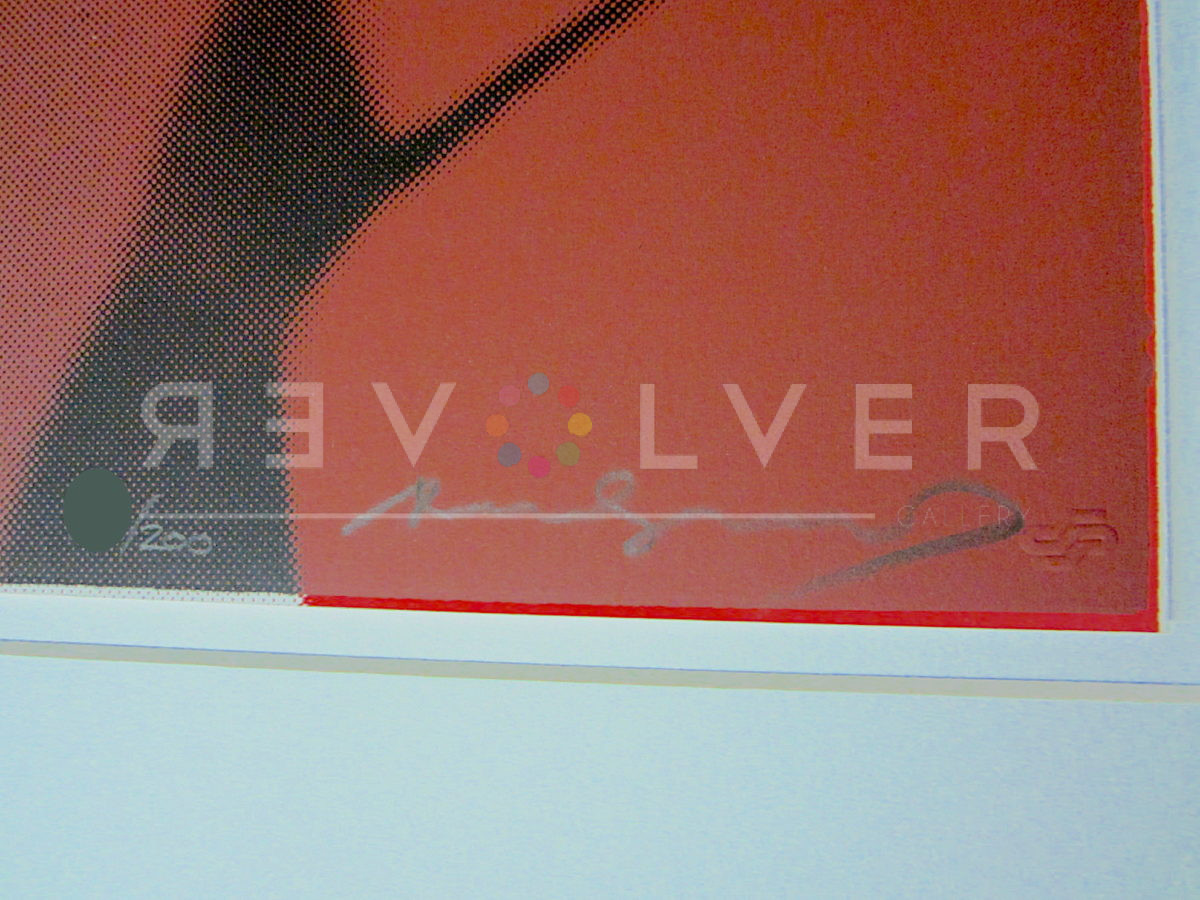
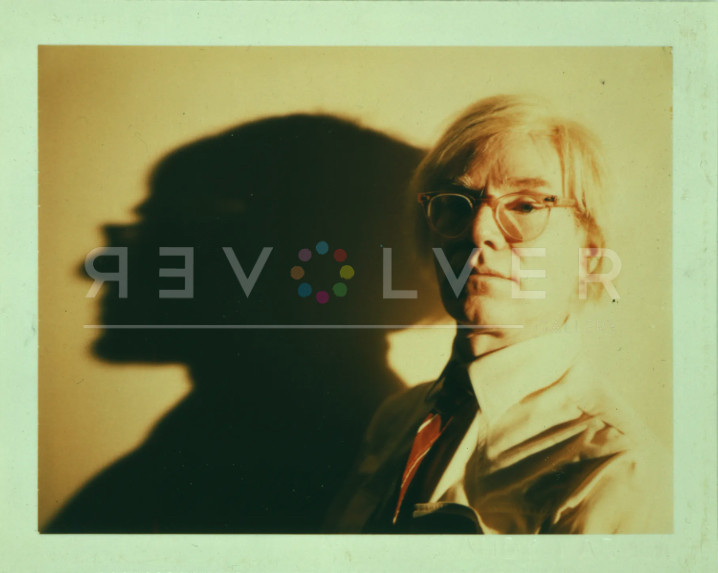
The Shadow 267 fuses two of Warhol’s most consistent themes: the cult of celebrity and self-image and identity. Warhol portrays himself as “The Shadow,” a masked vigilante fighting crime in 1930s New York—the protagonist of an American radio program that operated from 1937 to 1954. The print depicts a double portrait: an image of the artist staring blankly to the side, his lips parted, while his elongated shadow looms ominously behind him. His face appears on the right in washes of deep red, striking but occupying only one-third of the portrait, while his dark silhouette blankets the rest of the frame. The harsh line dividing the two figures further accentuates the distinction between Warhol and his shadow, almost as if his sense of self were split into two halves—one half rendered in a warm red, while the other in a barren grey. Warhol’s signature can be seen in pencil in the lower right corner.
It is said that Warhol considered each of the Myths characters to embody specific attributes of his personality. The artist never explicitly stated the deeper meaning behind the work, but some speculate that the dramatic shadow represents his mysterious and enigmatic public persona, countered against his inner self. Like the radio crime-fighter who adopts numerous identities, Warhol conceals his true nature from the public. Although he does not wear The Shadow’s signature cloak or broad-rimmed hat, Warhol inserts himself into his pantheon of American icons with Shadow 267.
Photo credit: Photograph by Andy Warhol / Courtesy Andy Warhol Foundation / Netflix.