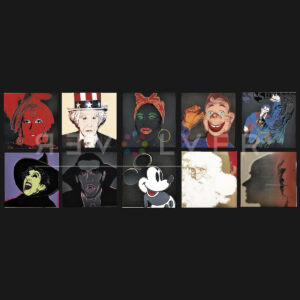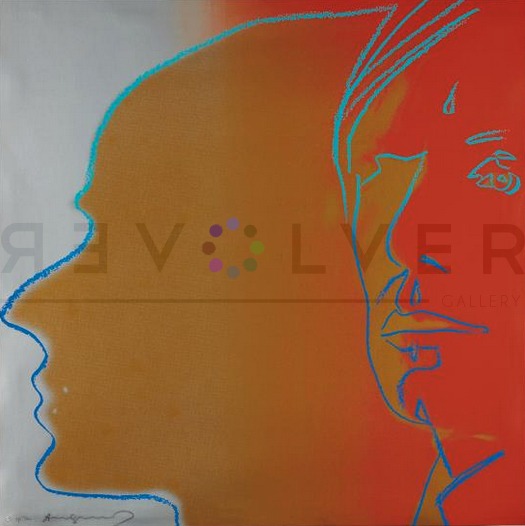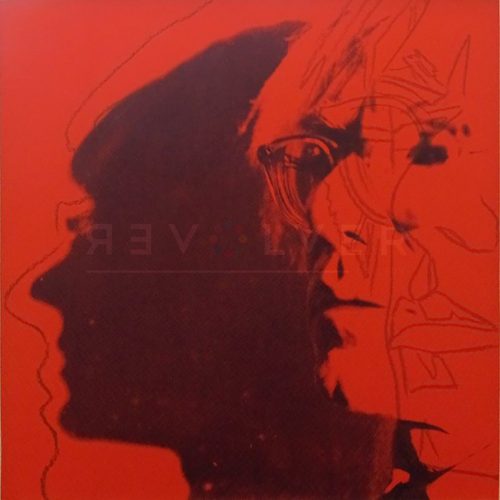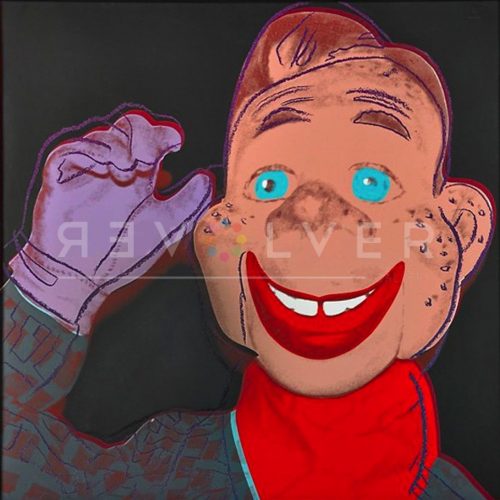
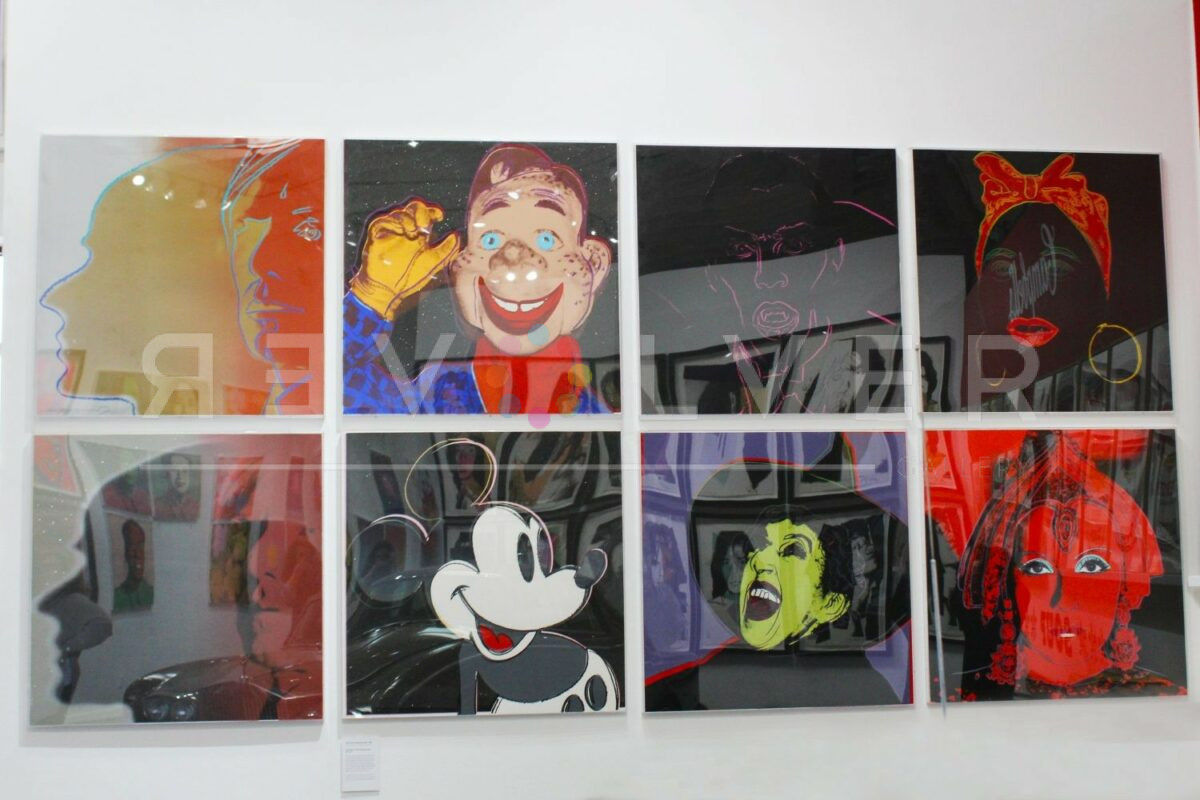
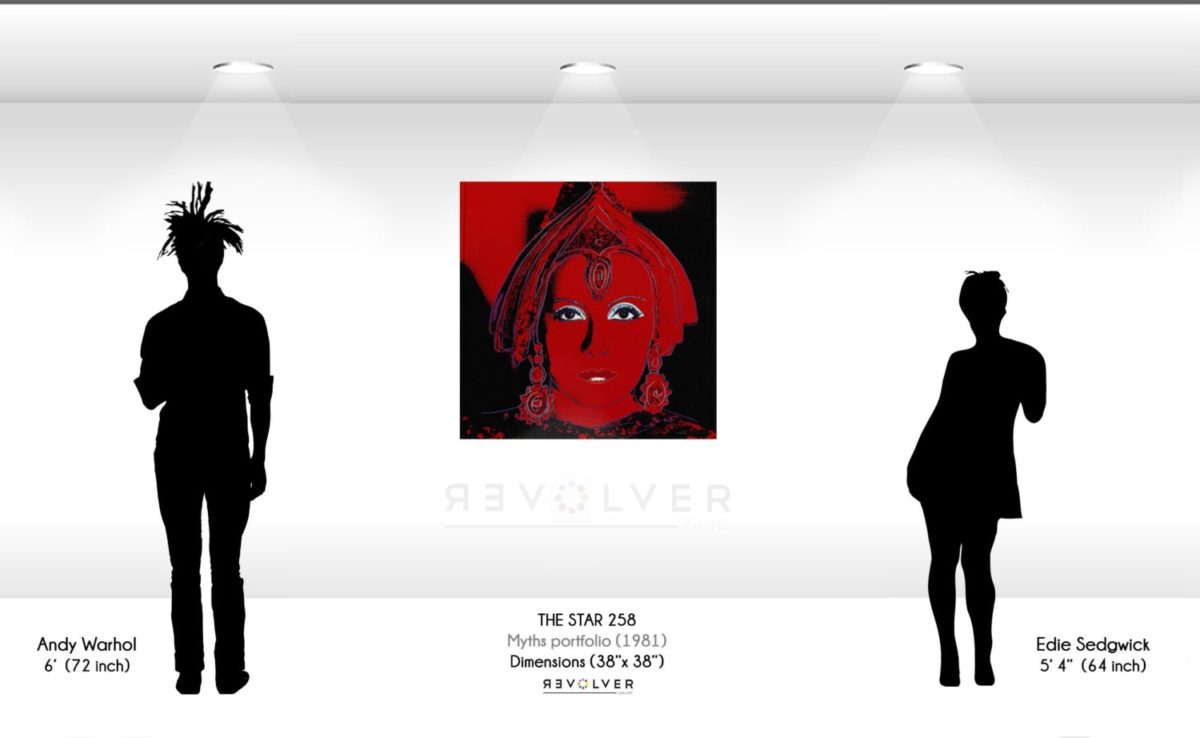
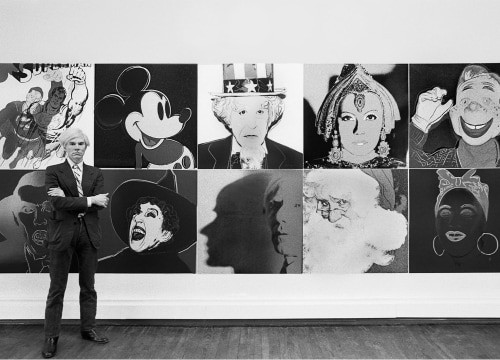
The Star 258 is one of ten screenprints from Andy Warhol’s Myths portfolio created in 1981. Warhol’s enduring preoccupation with celebrity and commodification sparked a vast collection of works celebrating well-known figures of the 20th century. His celebrity portraits are some of his most recognizable artworks, defined by his now iconic images of starlets such as Marilyn Monroe and Elizabeth Taylor. Warhol’s Myths injects a new meaning to these themes; he bridges the gap between fiction and reality, showcasing some of the most prominent fictional characters in American popular culture. Though these characters exist only as figments of our collective imagination, they are evocative representations of America’s enchanted past. With these prints, Warhol pays homage to the popular films, television shows, and bedtime stories that pervade our childhood. As author Greg Metcalf put it: “[…] the mythology of America is celebrity, the gods and demigods are those who can sell through their mass-produced images, and the course of action we, as a culture, are called to is to consume.”
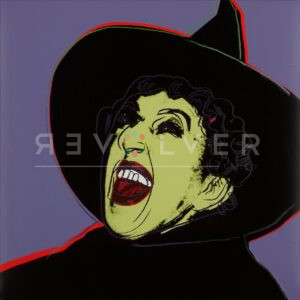
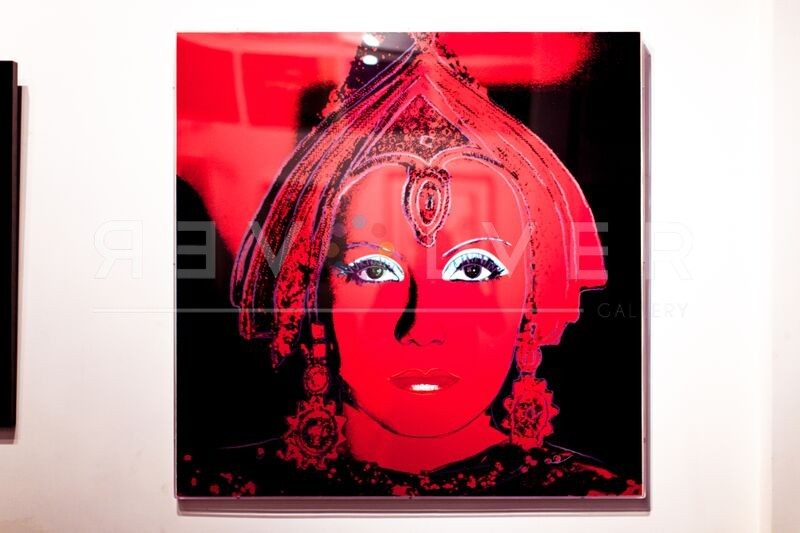
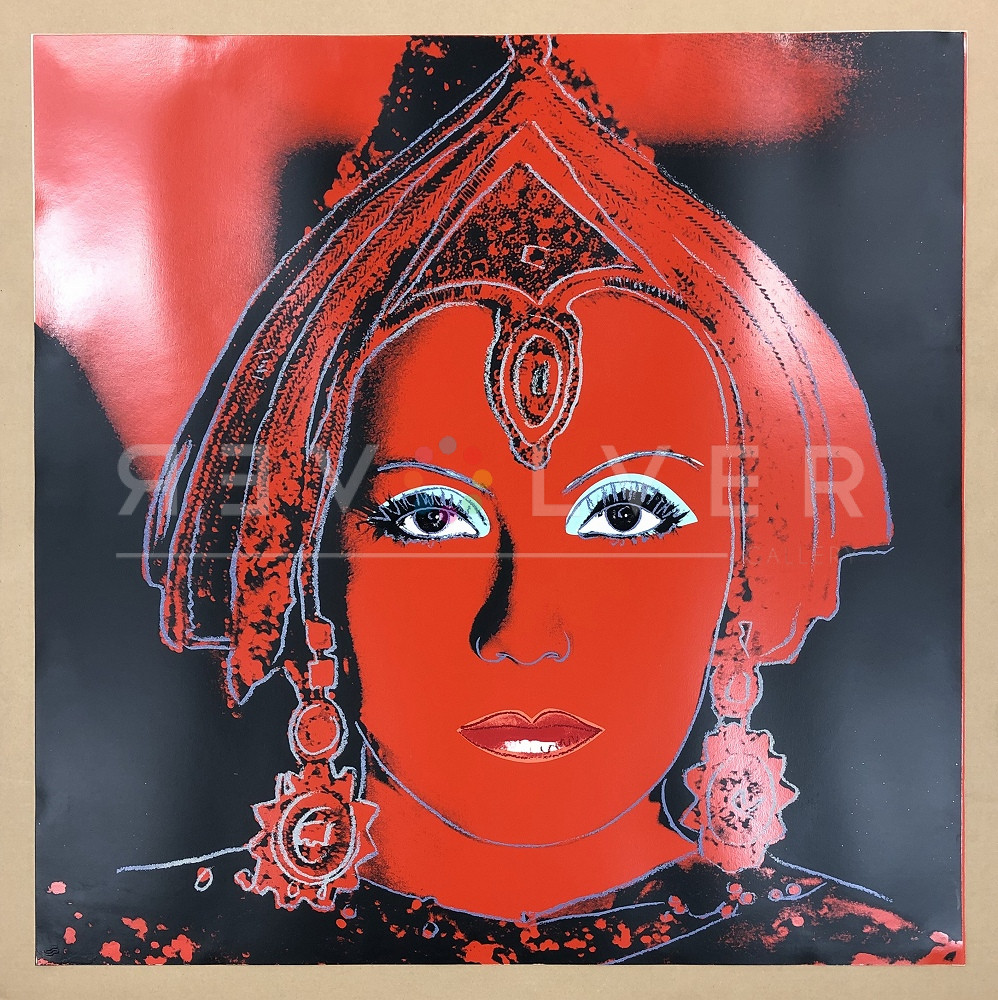
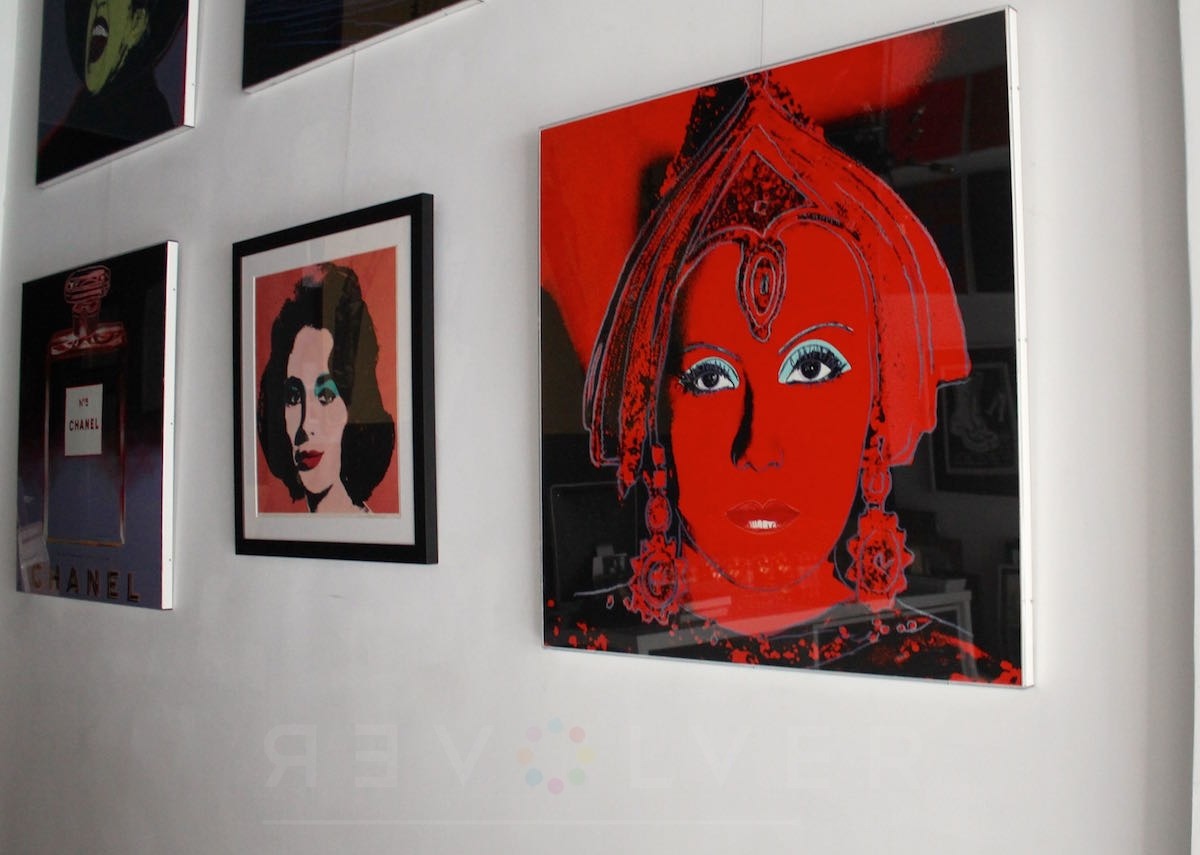
The Star 258 depicts a beautiful woman deluged in deep shades of red and black. She wears a bejeweled cap and low-hanging earrings that brush against her shoulders. She entrances us with her piercing gaze, beckoning—or rather, challenging—the viewer to move closer. Unlike other prints in the Myths series featuring vivid, single-shade backgrounds that help to accentuate the subjects, like in The Witch, the woman in this print blends into her surroundings. While the image is rendered in one wash of color, Warhol draws attention to the subject’s cherry lips and siren eyes with traces of white and a pop of ice blue eyeshadow.
The Star 258 portrays Swedish-American actress Greta Garbo in her role as Mata Hari in the 1931 film Mata Hari. Inspired by a true story, Garbo plays a Dutch courtesan secretly moonlighting as a German spy during World War I. She uses her feminine wiles to seduce French and Russian diplomats and officers into spilling top-secret military information, though her deceptions are soon discovered and she is tragically executed for espionage. The print is based on a photograph of the actress in her memorable role, where she is reborn as one of Warhol’s mythic legends.
Each artwork in the Myths portfolio is said to embody an aspect of Warhol’s personality, and while he never explicitly shared how Hari relates to him personally, she has unquestionably earned her place in the artist’s pantheon of cultural icons. Revered as one of history’s greatest femme fatales and spies, her story has generated countless biographies and cinematic portrayals that continue to pique the curiosity of movie lovers and readers today.