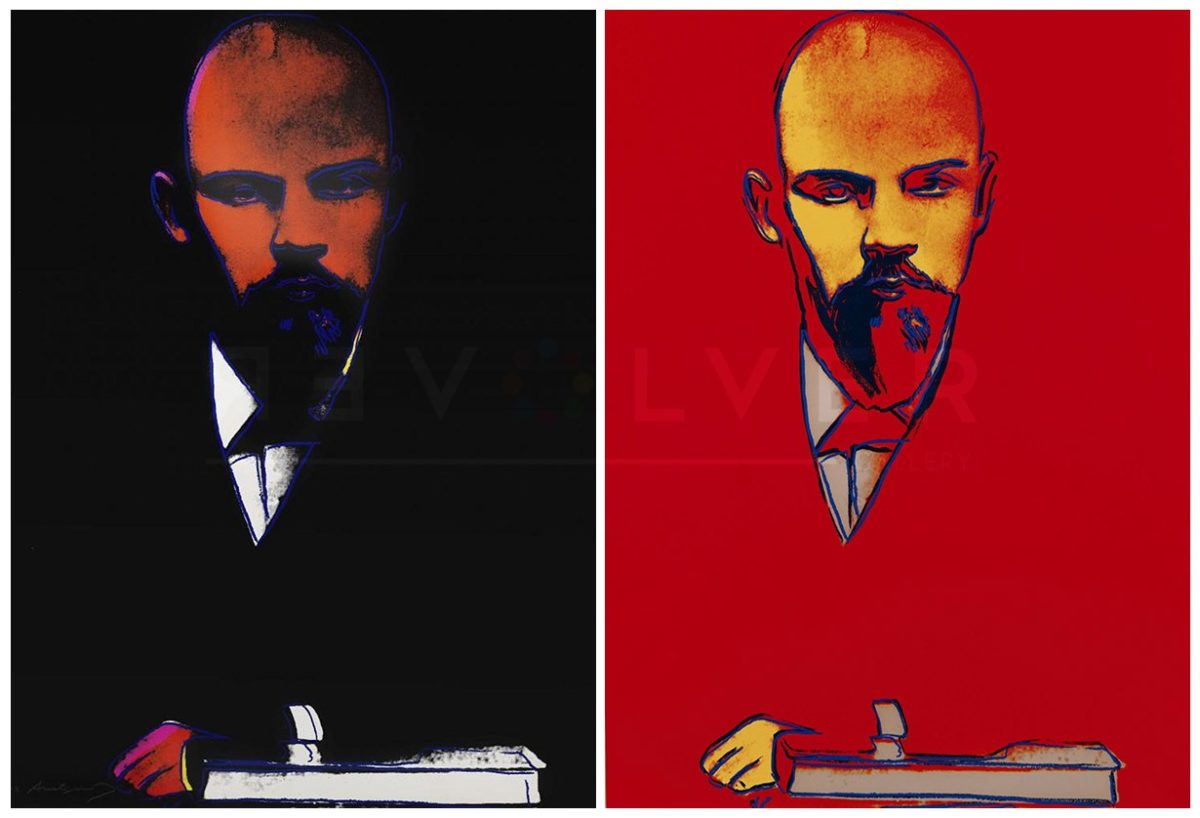
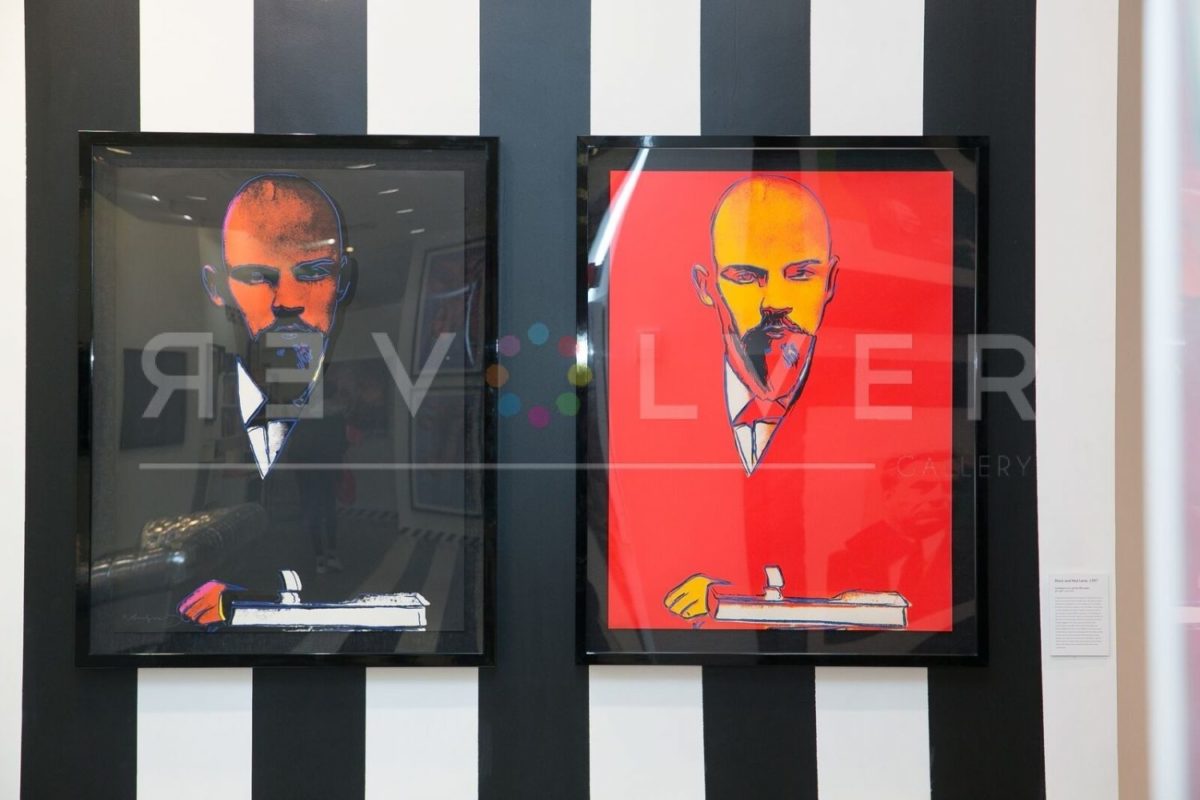
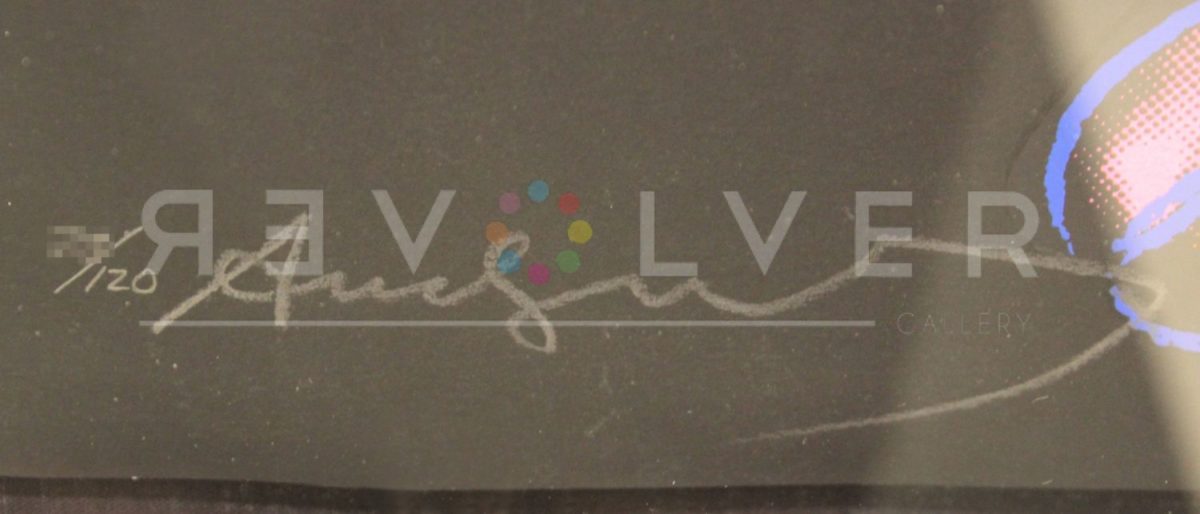
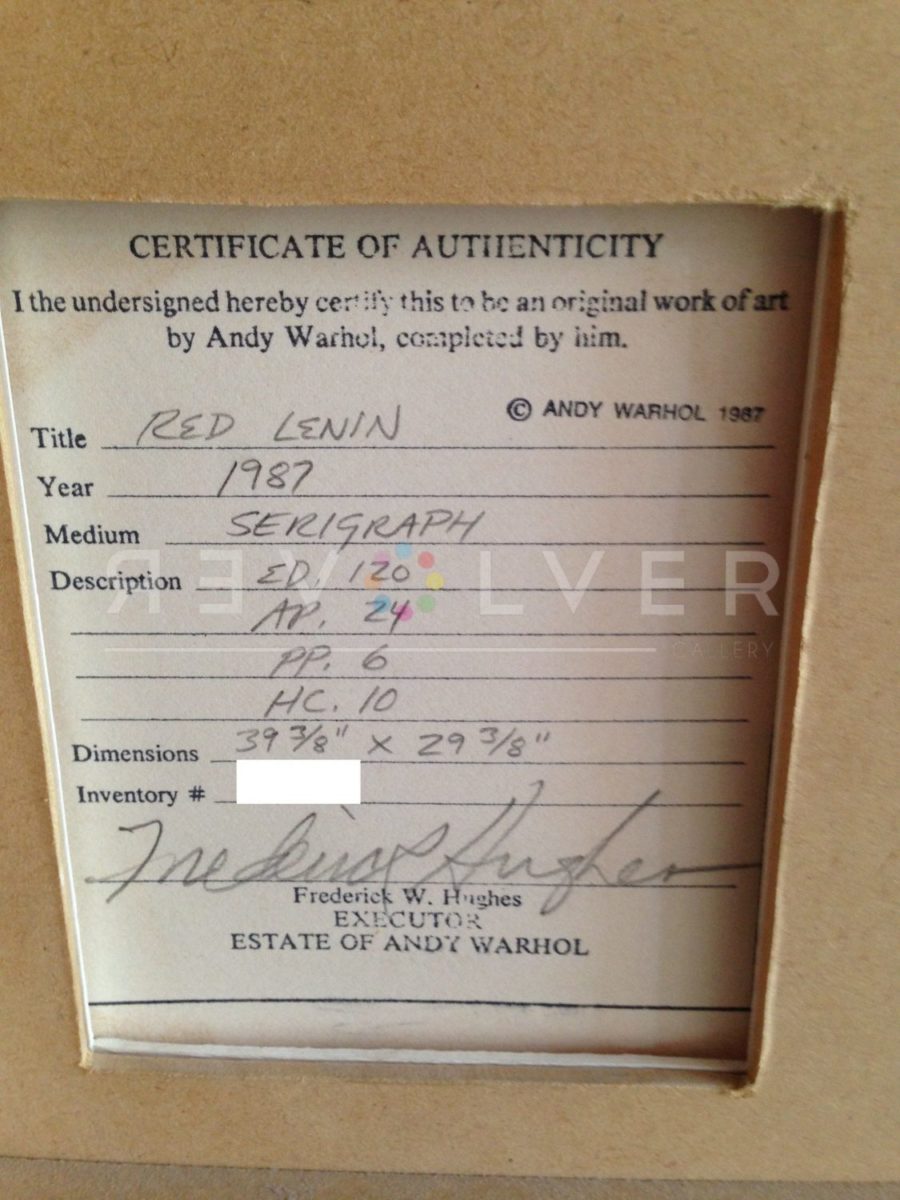
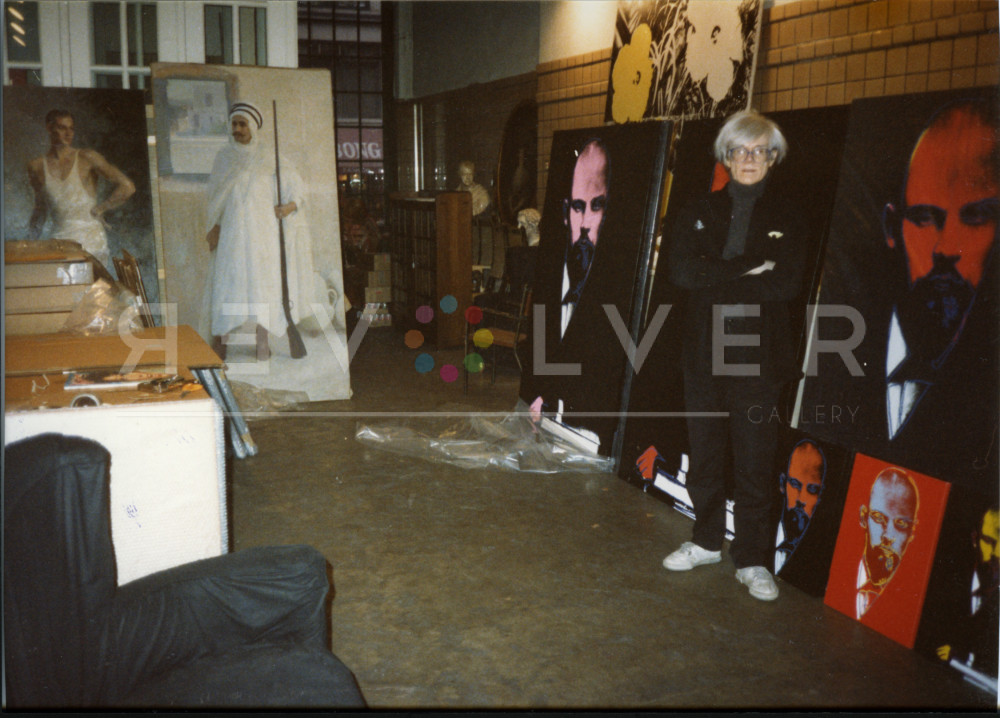
Andy Warhol’s Lenin complete portfolio, finalized shortly before his passing in 1987, holds profound significance within his body of work. Warhol created these artworks for an exhibition at Galerie Bernd Klüser in Munich, which opened just two days after the artist’s death. Warhol’s larger Lenin project encompasses an array of artistic expressions, which include paintings in various sizes, drawings, collages, and 2 silkscreen print editions comprising 120 pieces.
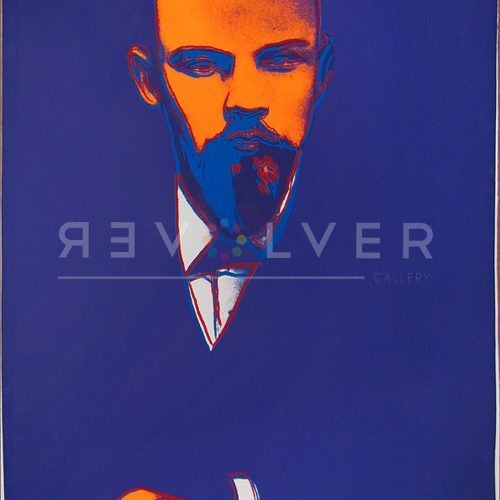
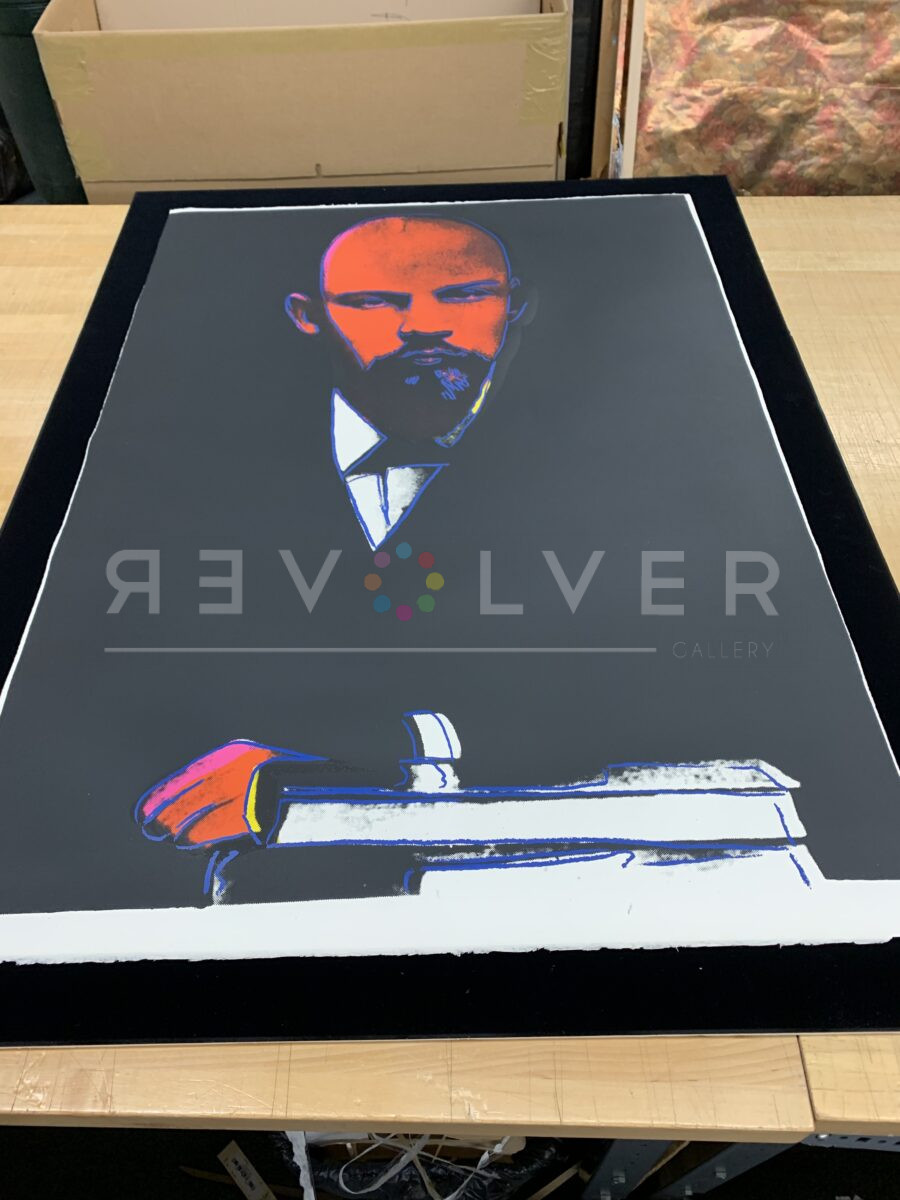
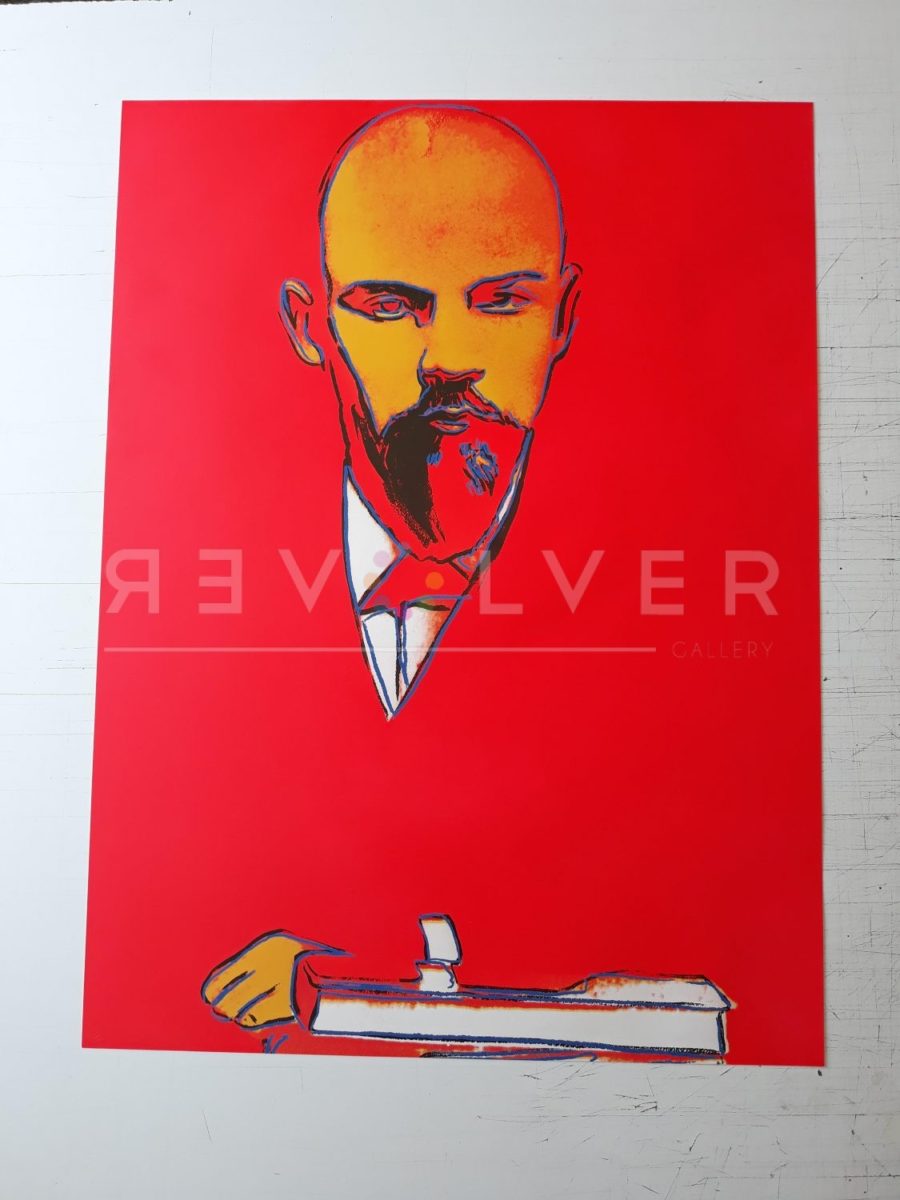
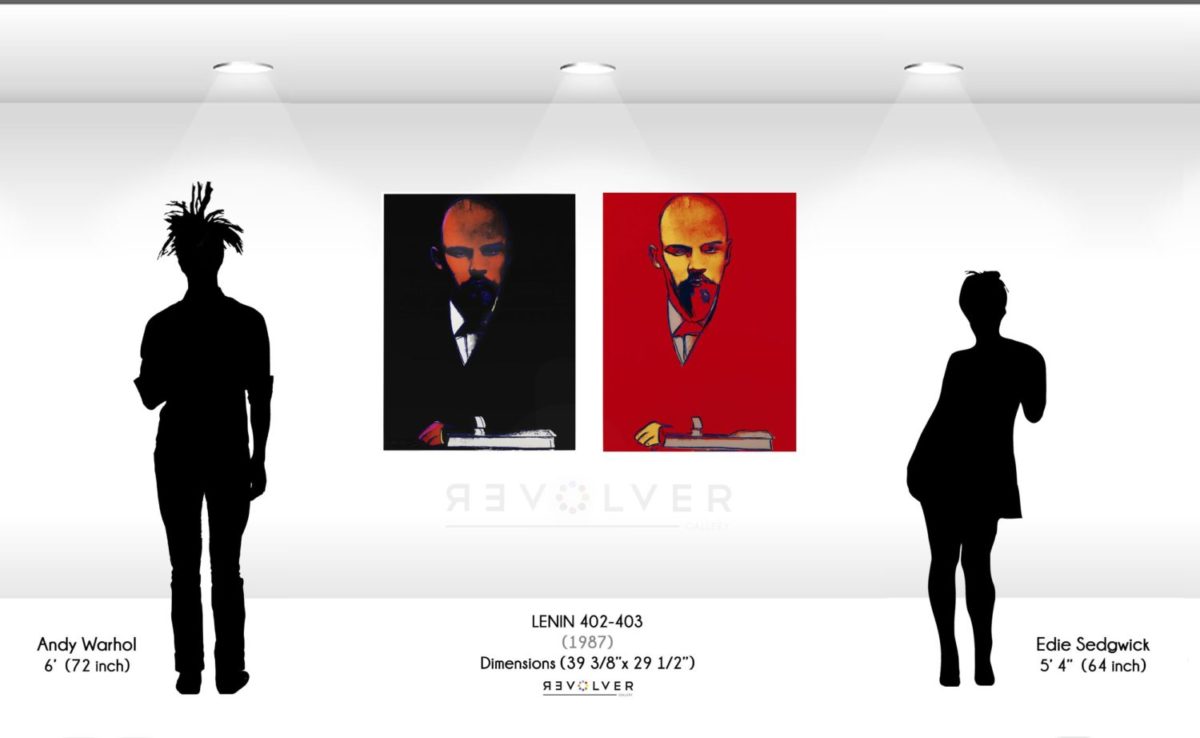
Vladimir Lenin, the Russian revolutionary and political theorist, serves as the central figure and artistic focal point in these compelling works. Derived from a striking photograph capturing the youthful Lenin’s piercing gaze amidst a pile of books, these masterpieces delve into the intricate realms of politics through an intriguing use of colors. Presenting two variations, “Black Lenin” and “Red Lenin,” this print portfolio artfully symbolizes the association of communism with a commanding hue. In the most iconic version of the portrait, the contrasting red background and Lenin’s suit converge with the luminous yellow of his visage, accentuated by the blue contouring that defines his renowned features. Similarly, the black rendition presents a commanding Lenin, his face and hand adorned in an orange-red hue, accentuated by distinct blue contours. In both renditions, Lenin’s countenance exudes an air of authority and intelligence, further enhanced by the positioning of his hand atop a book.
LENIN AS PART OF ANDY WARHOL’S LARGER BODY OF WORK
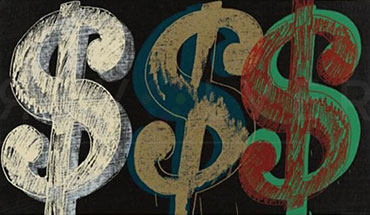
Beyond its biographical importance, the Lenin series serves as a striking testament to Warhol’s artistic evolution and his fascination with the interplay of communist propaganda imagery, American consumerist kitsch, and broader Cold War themes. The era, marked by deep-seated tensions and ideological confrontations, profoundly influenced Warhol’s artistic narrative. Through his lens, icons and symbols from this divided epoch come alive, offering insights into the era’s complexities.
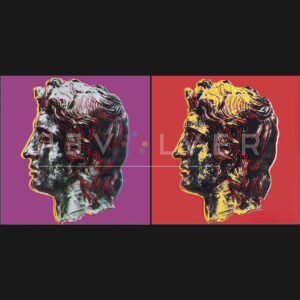
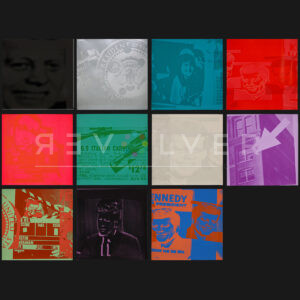
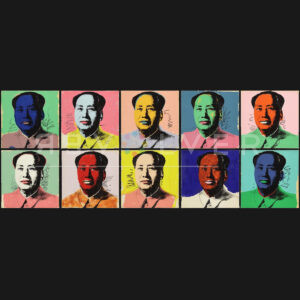
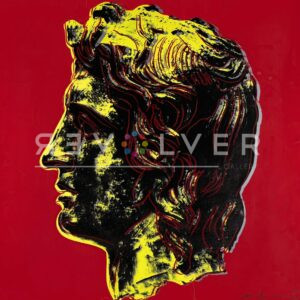
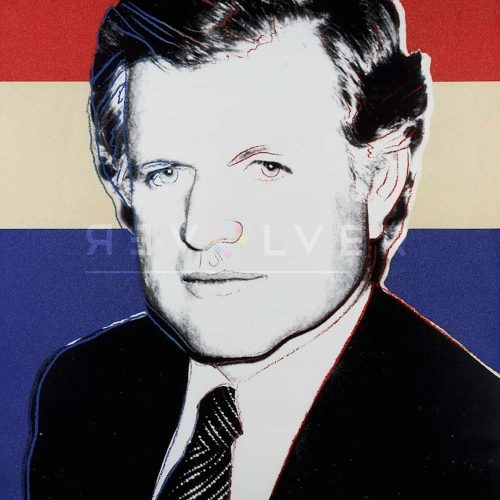
Throughout his career, Warhol’s interest in political figures resonates vividly, with Lenin occupying a distinguished position alongside Mao Zedong, Alexander the Great, and John F. Kennedy, among others. His diverse portrayals of leaders spotlight the intricate dance between political ideologies and the magnetic pull of celebrity. With its playful irony and keen observations, the Lenin series exemplifies Warhol’s knack for capturing the zeitgeist of his times. The artistic maturity of these portraits is evident in their refined use of colors, reminiscent of mass-produced political posters that immortalized Lenin as an emblem of revolution.
Notably, the Lenin series emerged as a product of Warhol’s creative collaboration with Galerie Bernd Klüser, mirroring the artist’s collaborations with fellow luminaries represented by the gallery. The creative synergy between Warhol and the gallery also resulted in ventures exploring Renaissance art and a compelling portrait of the artist Joseph Beuys, another of Klüser’s represented artists. Klüser’s challenge to explore the iconic appeal of a cult figure from the East led to this series, marking a departure from Warhol’s prior fascination with American cultural icons. The resulting portraits confront viewers with reflections on politics and mass production. They serve as a bridge, connecting political doctrines to the broader allure of fame and influence.
The Lenin series underscores Warhol’s enduring legacy in contemporary art, showcasing his unique ability to intertwine history, politics, and pop culture in compelling visual narratives. These artworks resonate with historical reverberations, urging us to discern the past’s echoes in today’s geopolitical landscape. The works not only reflect upon the anxieties and aspirations of the Cold War period but also prompt introspection on shared human experiences beyond ideological boundaries. The Lenin series stands as a poignant reminder of Warhol’s lasting impact on contemporary art and his ability to captivate audiences with his thought-provoking creations.