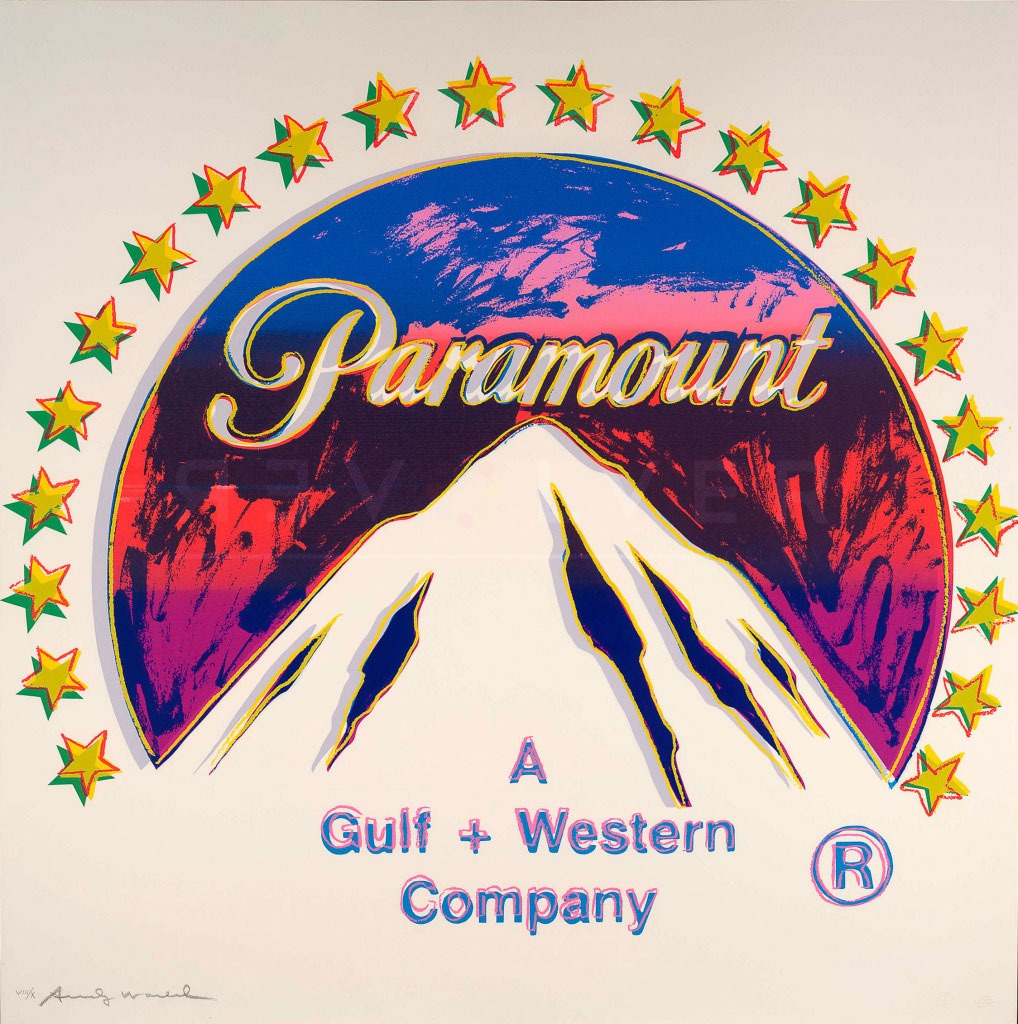
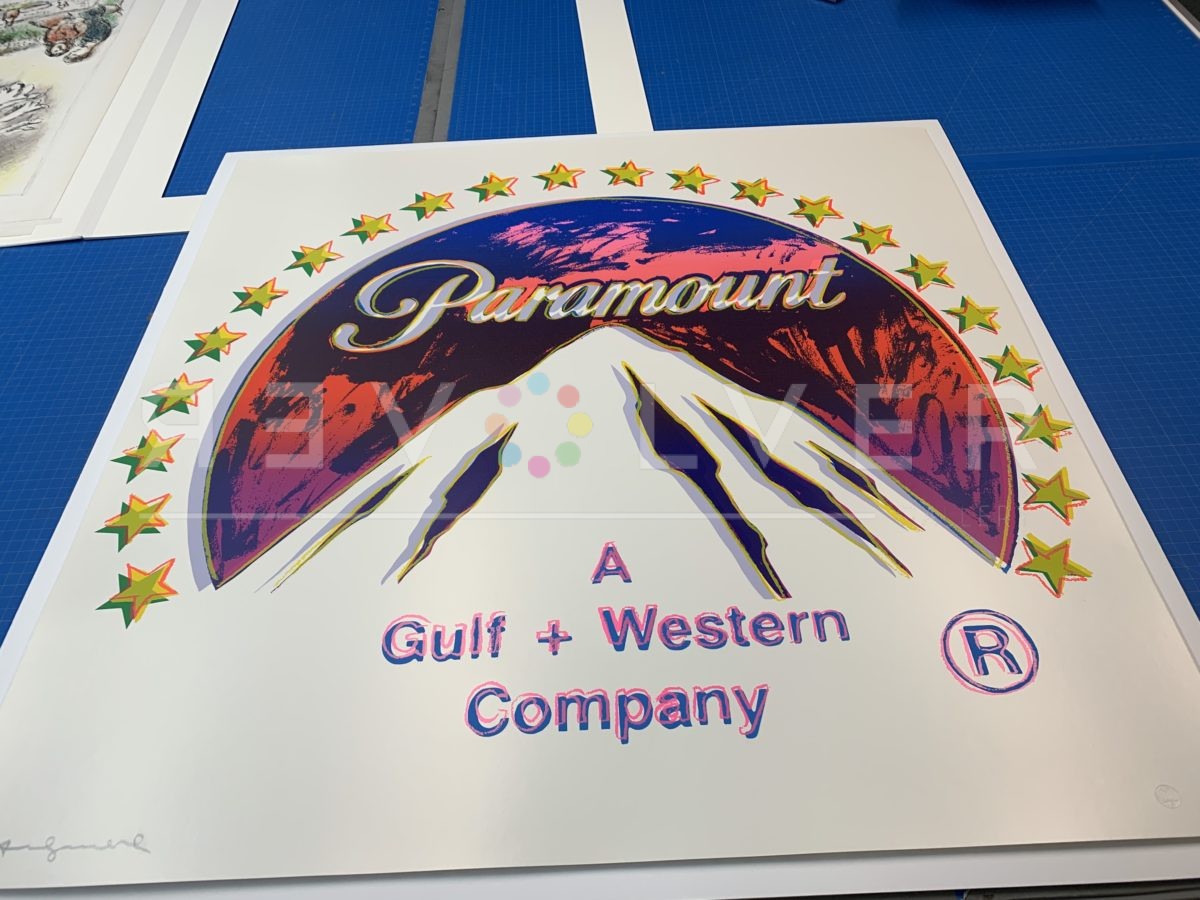
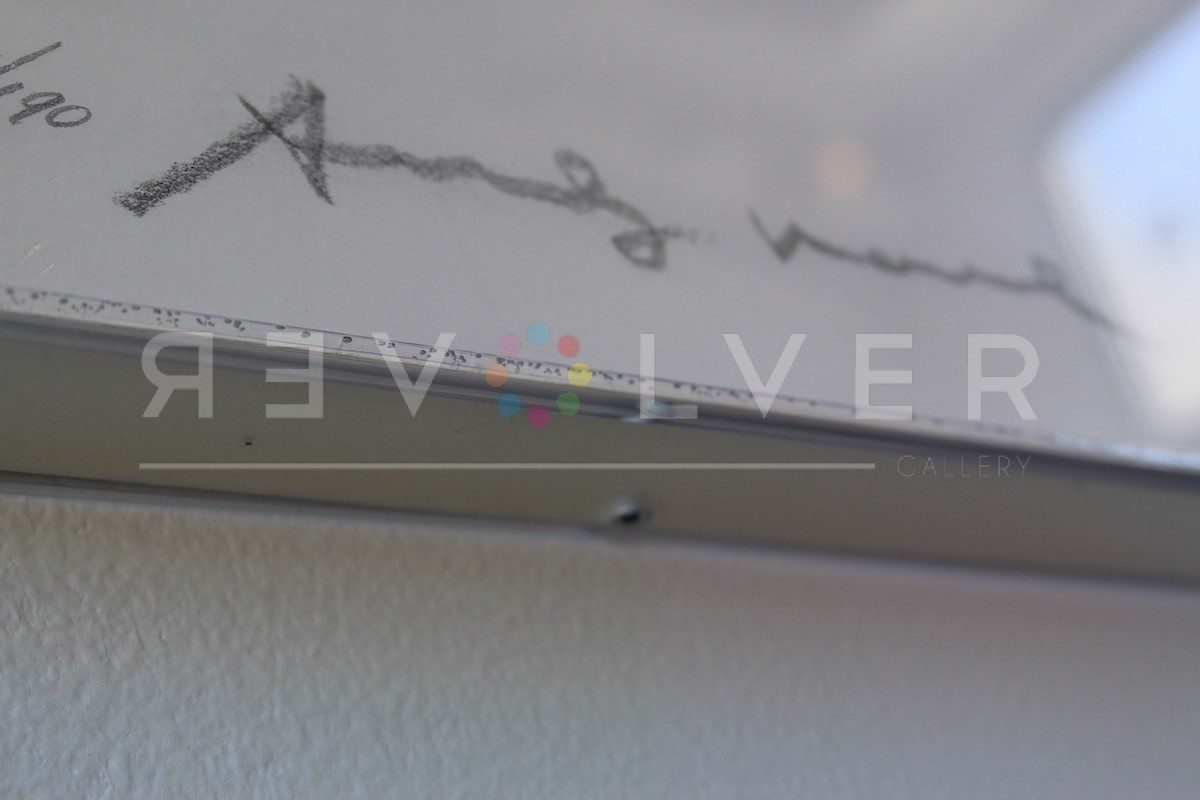
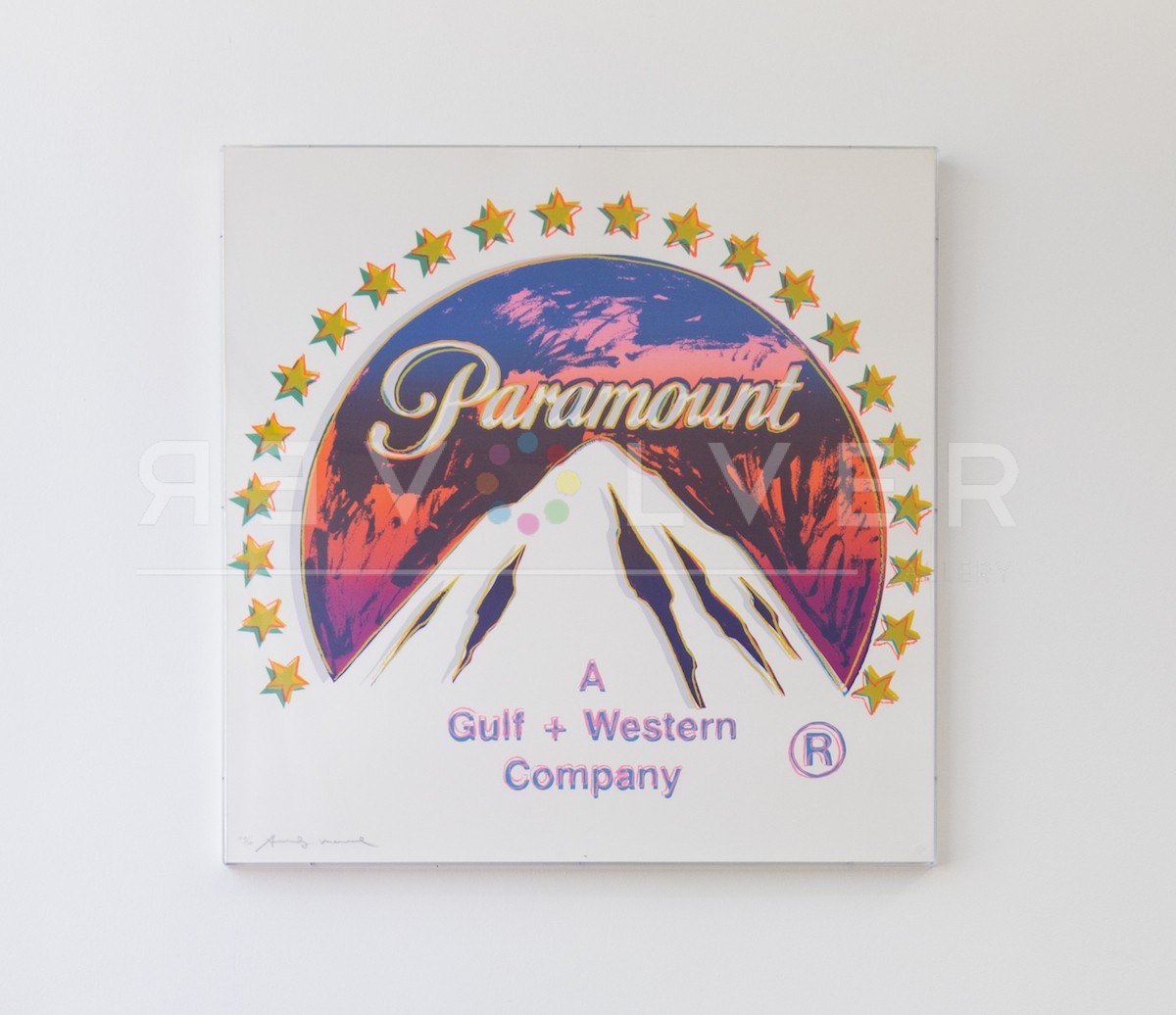
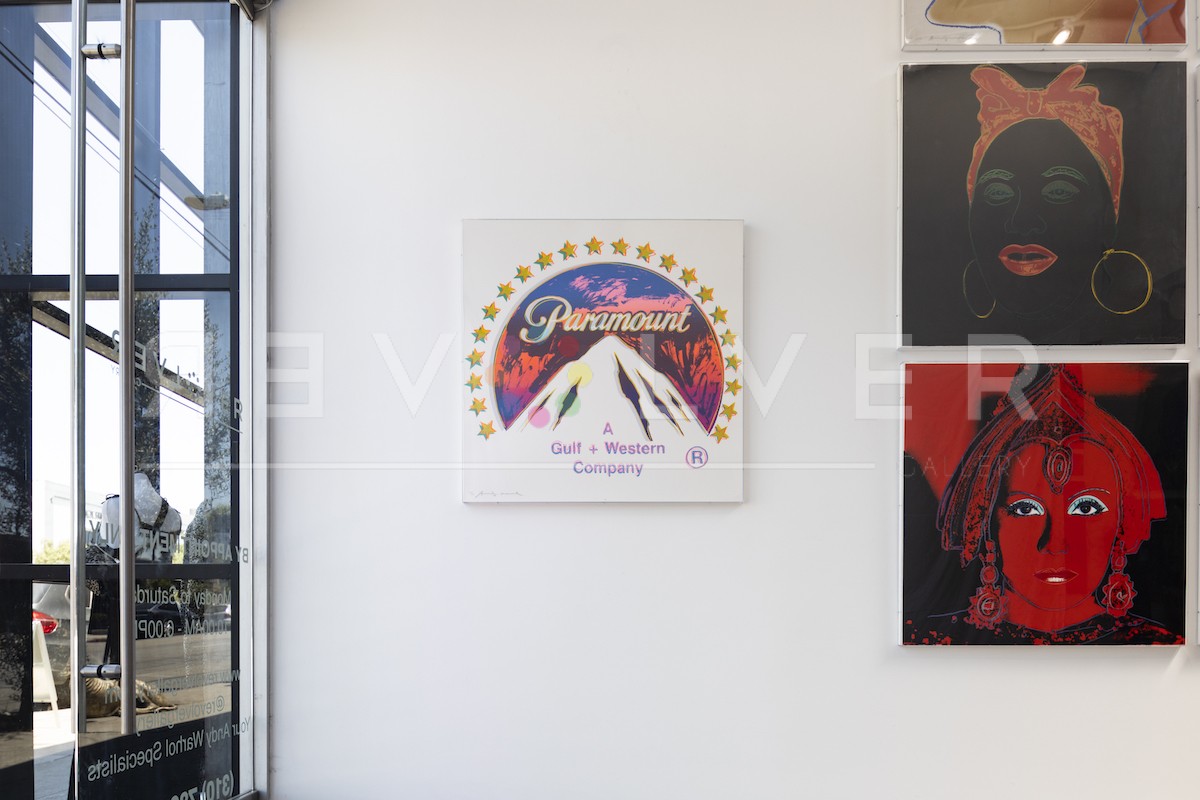
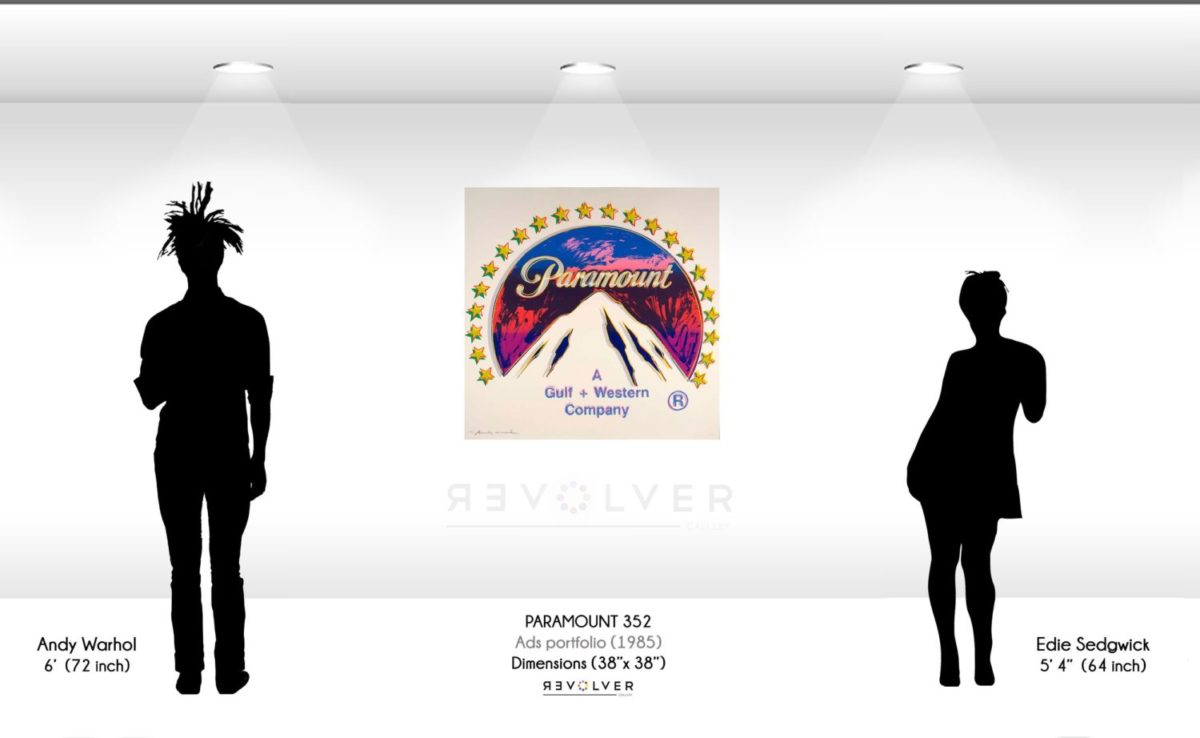
Paramount 352 by Andy Warhol is a screen print created in 1985. The work showcases Paramount’s iconic mountainous logo, and is part of Warhol’s Ads portfolio, commissioned by Ronald Feldman.
Paramount Pictures Presents: Andy Warhol… or is it the other way around? The Pop Artist’s Paramount screen print is a classic emblem that taunts Hollywood hopefuls. A picturesque lesson in visual consumerism in both art and film entertainment, Paramount glows for all that La La Land is worth, surrounded by bright sunset scribbles and a sky full of stars that pop-off the page with a three-dimensional outline. In keeping with the prototypal outline, Paramount spans the colorful mountain range background, the likes of which speak volumes to the studio’s roots in western films.
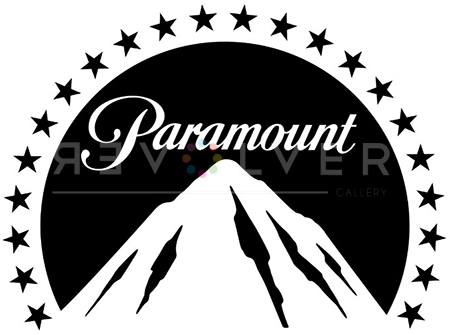
The logo itself first originated in 1914 as the brainchild of W.W. Hodkinson, Paramount Pictures’ founder and first president. But its earliest black-and-white imagery was an invitation to Warhol to revitalize the already-distinguished image. Warhol’s interests in popular imagery and silver screen stars certainly influenced his gravitation towards Paramount, but questions remain as to whether there may be even more personal meaning behind this choice for his Ads portfolio. Jon Gould was a Paramount executive when Andy Warhol came into contact with him in 1980. For five years, the two would become more intimate and even move in together, before breaking up in 1985. Perhaps within the Paramount valley lies Gould’s shadow.
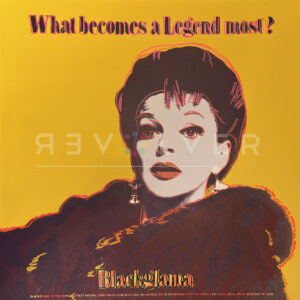
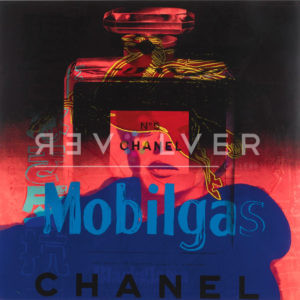
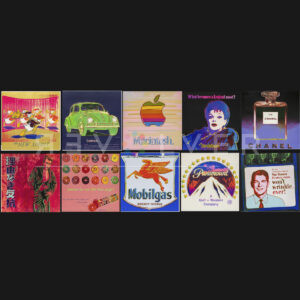
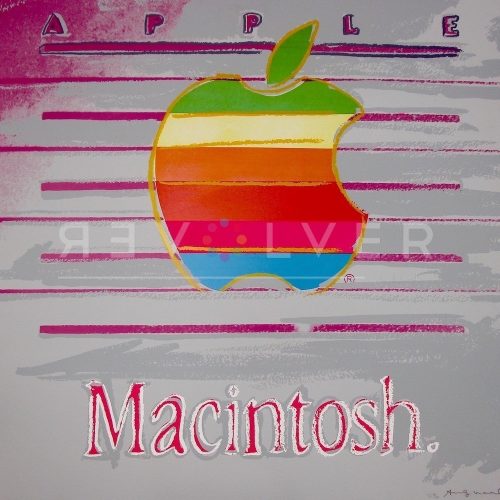
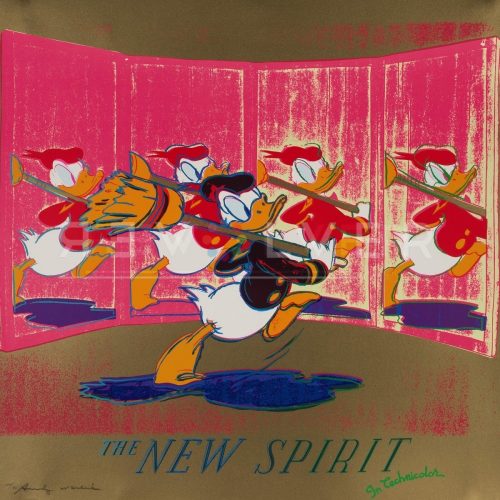
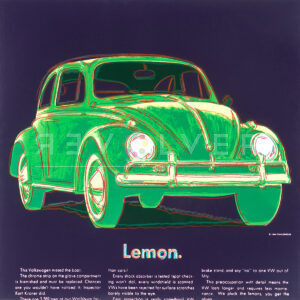
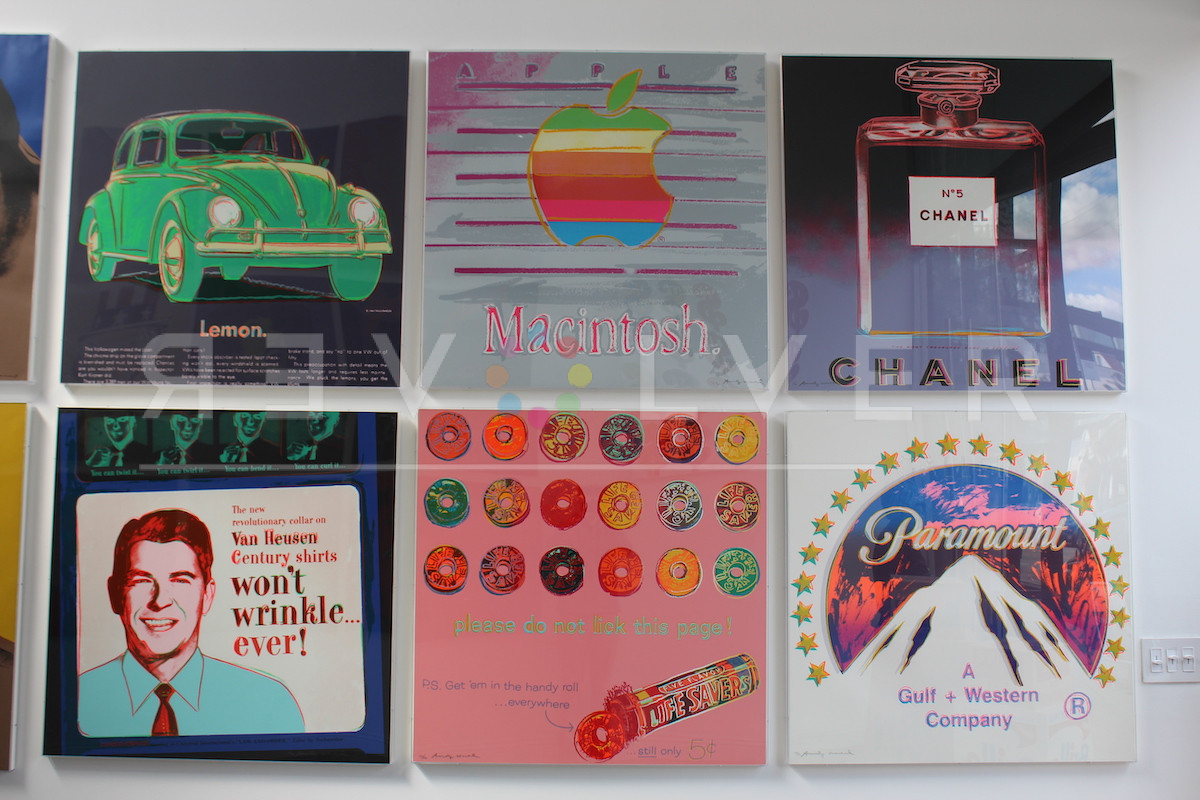
Ads was so much more than just a portfolio for Andy Warhol, it was a way of life. Having begun in the 1950s as a commercial illustrator, Warhol never quite shook his initial entrepreneurial artistic philosophy, and it served him well. Creating a career that became exponentially more popular with his appropriation of famous imagery incorporated with his personal style, Warhol’s art is imprinted on the collective consciousness. Alongside Paramount 352, his Ads portfolio also includes Mobil, Blackgama (Judy Garland), Life Savers, Chanel, Rebel Without a Cause (James Dean), Van Heusen (Ronald Reagan), The New Spirit (Donald Duck), Volkswagen, and Apple.
Paramount Pictures Logo 1967-current. Courtesy of Phillips.