Ron Rivlin, July 25, 2016
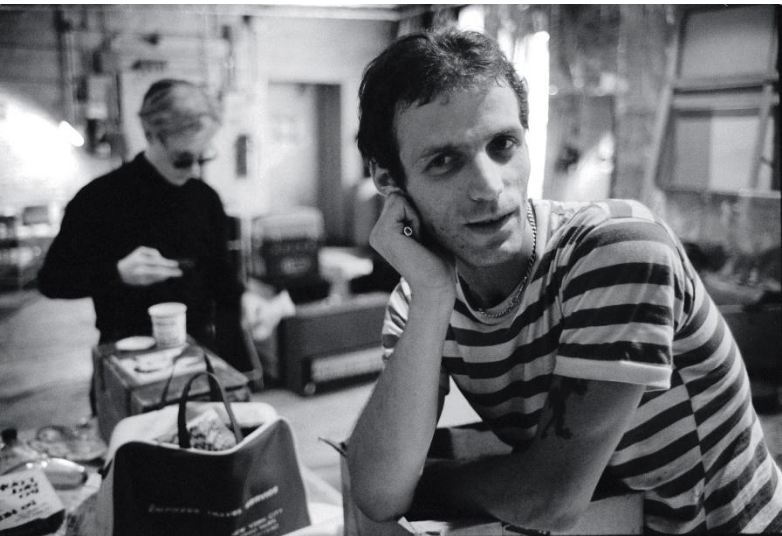
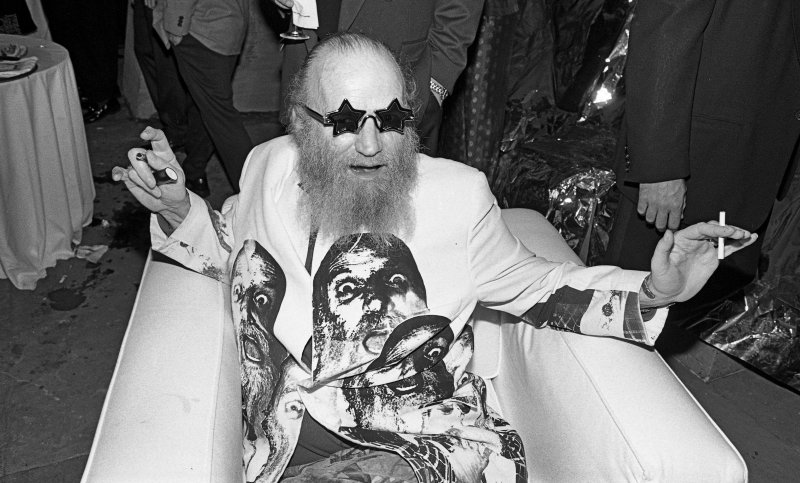
If you were to Google any photo from Andy Warhol and his Factory days in the 1960’s, then you are most likely looking at the photography of Billy Name. On Monday, it was reported that Billy Name (real name Billy Linich) passed away at the age of 76 due to complications from diabetes. Name is best known for his photography of Andy Warhol and The Factory from its conception until he moved to California in 1970.
At 19 years old, Name befriended Warhol, who gave him the moniker Billy Name. Name was more than a person who lived at The Factory, he was an integral part of the unique circumstances that led to what became The Factory. It was Name who is credited for The Factory’s iconic silver interior. Before Name moved in with Warhol, he lived in a silver apartment of his design. This lead to Warhol to ask Name to do the same for his new loft, that would become The Factory. He even helped Andy in producing art, from acting in Warhol’s films to assisting Warhol silkscreen his iconic Brillo Boxes.
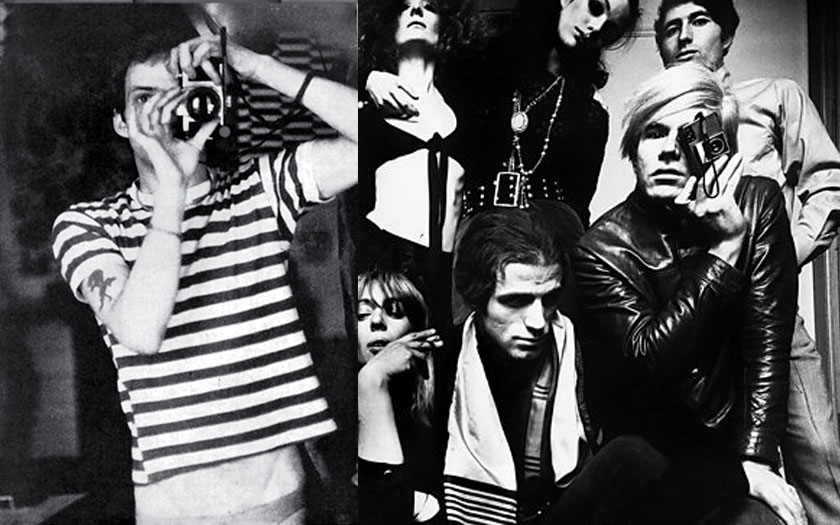
One day, Warhol gave Billy a camera and asked him to be the Factory’s photographer. Name self-taught himself photography, and used the Factory and its guests as his subjects. He photographed guests from Lou Reed to Edie Sedgwick. Even with having taken about 500 photographs during his stay, it wasn’t until decades later that Name’s photography was seen for more than just archival images.
In the beginning, Warhol and Name had a close friendship that later turned romantic, until Name left The Factory in 1970 leaving Warhol only a note. Although he left and dropped his “Billy Name” moniker, he always loved Warhol and cherished his time with the art legend. Name credits his choice on leaving The Factory due to the change of atmosphere and shift in Warhol’s character after his assassination attempt. The Factory shifted from a place of creation to one of business under the Paul Morrissey area. Billy Name eventually found who he was as an artist, but never forgot Andy and his Factory.