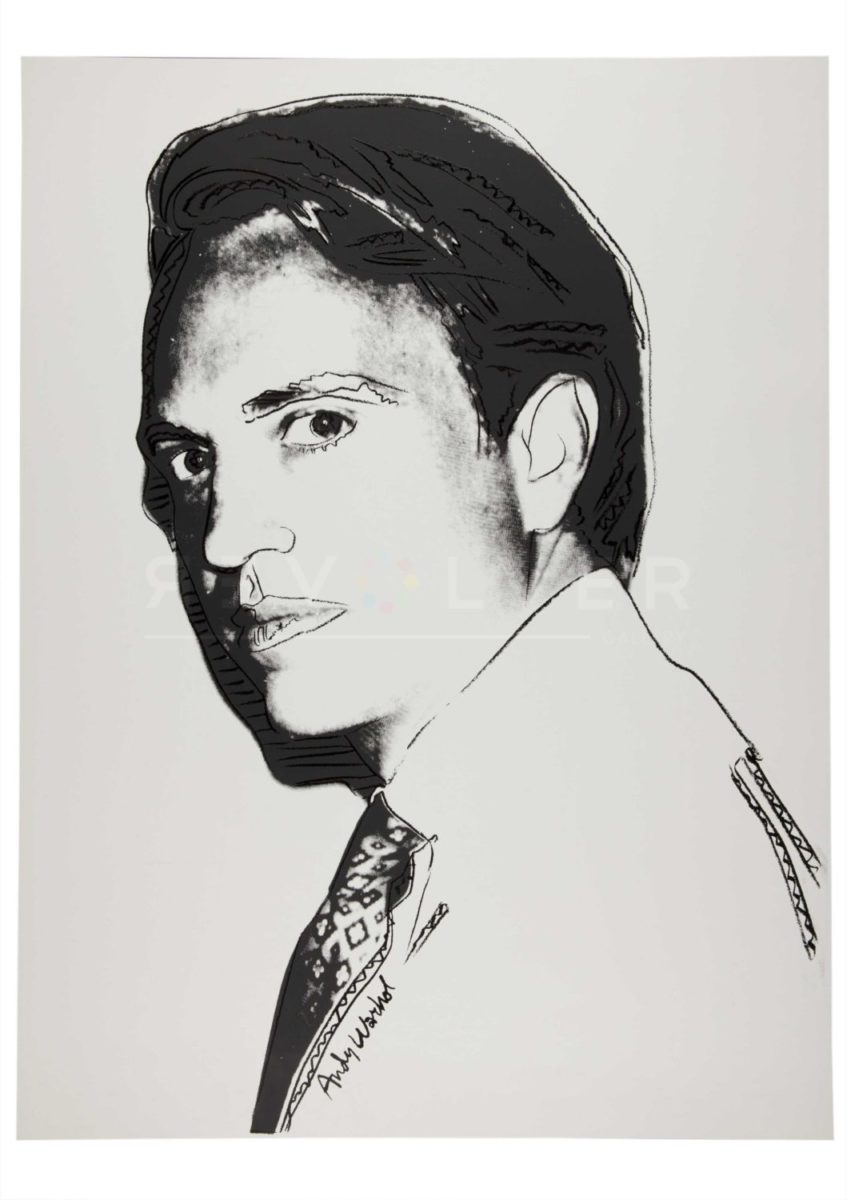
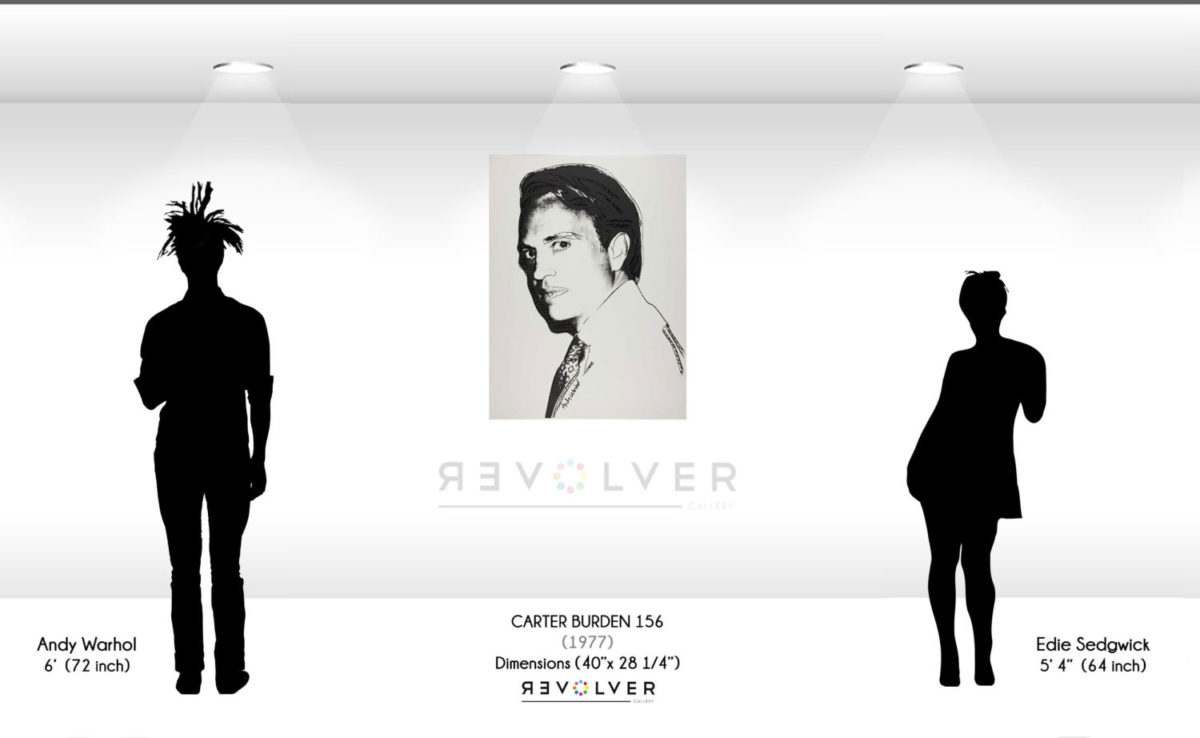
Carter Burden 156

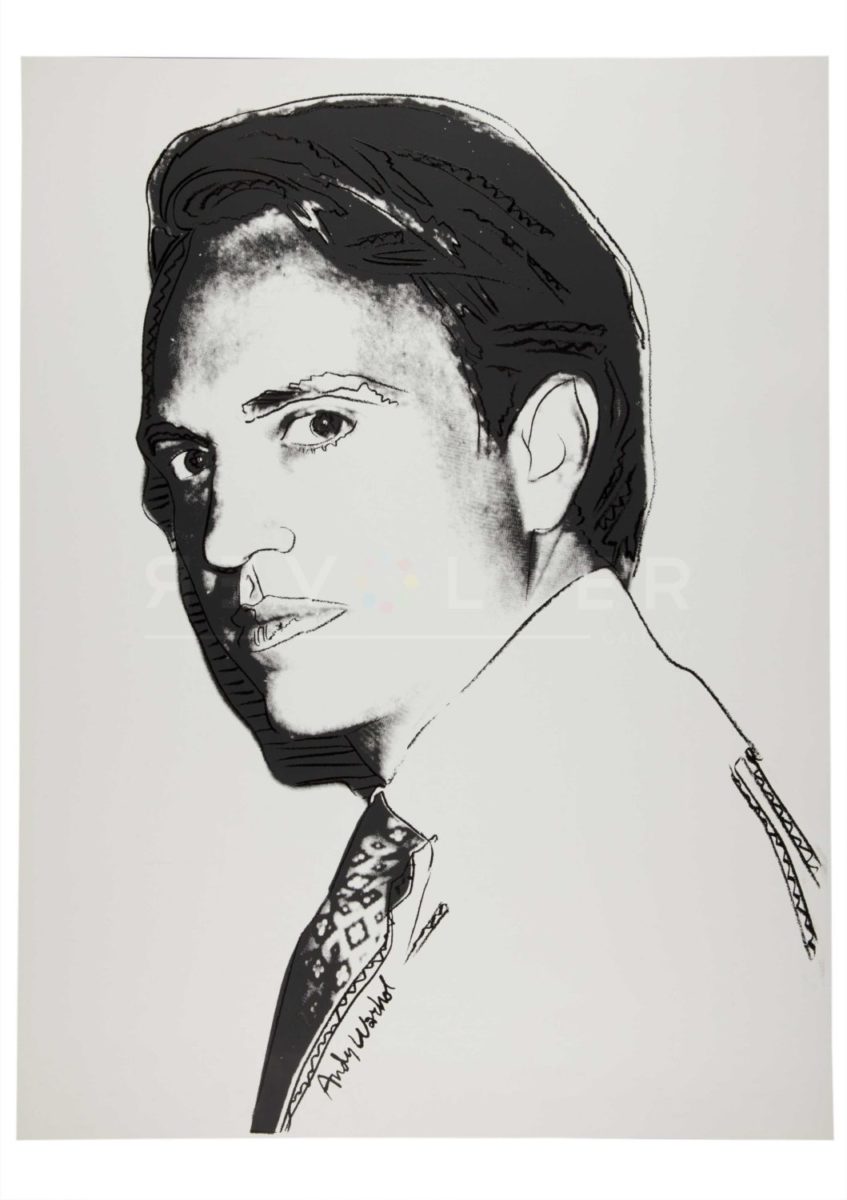
Catalog Title: Carter Burden (FS II.156)
Year: 1977
Size: 40” x 28 1/4”
Medium: Screenprint on Italia paper
Edition: Edition of 200, 2 PP, signed and numbered in pencil lower left. Published to raise funds for the Carter Burden campaign for president of the New York City Council.
Name(Required)
This field is hidden when viewing the form

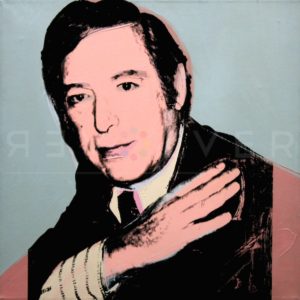
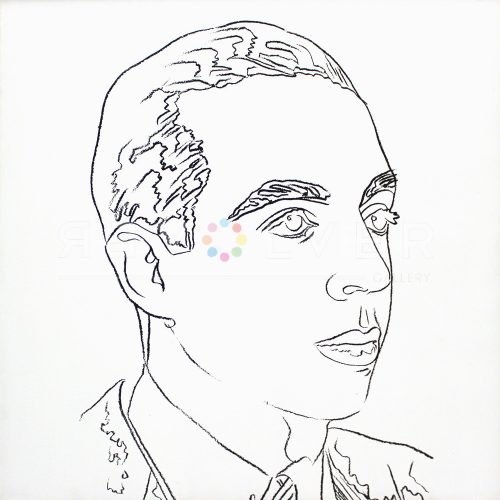
Carter Burden 156 by Andy Warhol presents the New York politician in a stark, closely cropped profile, rendered almost entirely in black and white. Burden’s head turns slightly over his shoulder, creating a sense of alertness and quiet authority. Warhol emphasizes sharp contrasts between light and shadow. This allows Burden’s facial features to emerge from a pale ground with minimal color interference. Fine black linework outlines the hair, ear, and jaw, while softer tonal washes model the face. The overall effect feels restrained, sober, and deliberate, aligning the portrait more closely with documentary realism than spectacle.

Carter Burden: Political Life and Philanthropy

Carter Burden was a New York City councilman known for his progressive politics and deep involvement in the city’s cultural institutions. As a businessman, he founded Commodore Media, a company that owned and operated numerous radio stations. In addition, Burden supported major organizations such as the New York Public Library, the Morgan Library, and New York City Ballet. Later, he established the Burden Center for the Aging in Yorkville, rebranded in 2016 as the Carter Burden Network. More broadly, he occupied a unique position at the intersection of politics, media, and philanthropy.

Warhol created Carter Burden 156 in 1977 as a commissioned portrait intended to raise funds for Burden’s campaign for president of the New York City Council. It was a race that Burden ultimately won. Rather than dramatizing the subject, Warhol adopts a controlled visual language that mirrors political self-presentation. The limited palette, neutral background, and direct gaze suggest credibility and seriousness, qualities essential to a campaign image. At the same time, Warhol’s unmistakable hand transforms the portrait into a commentary on how political identity is constructed and circulated.

Carter Burden 156 by Andy Warhol as Part of His Larger Body of Work

Throughout his career, Warhol remained fascinated by the overlap between politics and celebrity. He approached political figures much as he did movie stars, understanding campaigns as exercises in image management and public consumption. This perspective connects Carter Burden 156 to Warhol’s broader body of portraits of power, from American presidents to international leaders such as Mao Zedong. In each case, Warhol treats authority as something mediated through repetition, photography, and visual branding.

Within Warhol’s oeuvre, Carter Burden 156 stands as a quieter but telling example of his portrait practice. It reveals how Warhol could strip away color and excess to focus on pose, outline, and expression, while still engaging with themes of fame, influence, and visibility. For collectors, the work offers insight into Warhol’s nuanced approach to political portraiture. It also showcases his ability to capture power not through spectacle, but through restraint.

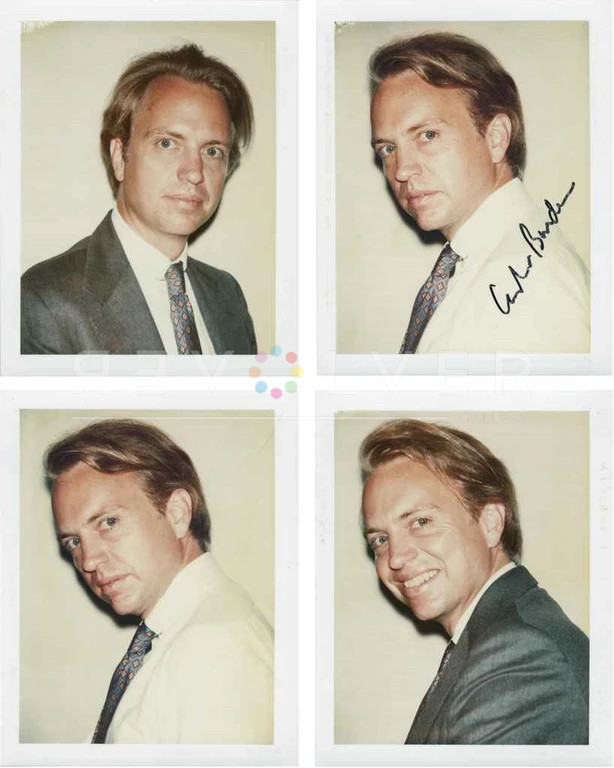
Photo credit: Carter Burden Polaroid by Andy Warhol, 1977. Courtesy of MutualArt.

Share this page:

Related Works