Fiesta Pig F.S. II 184 - Andy Warhol jpg
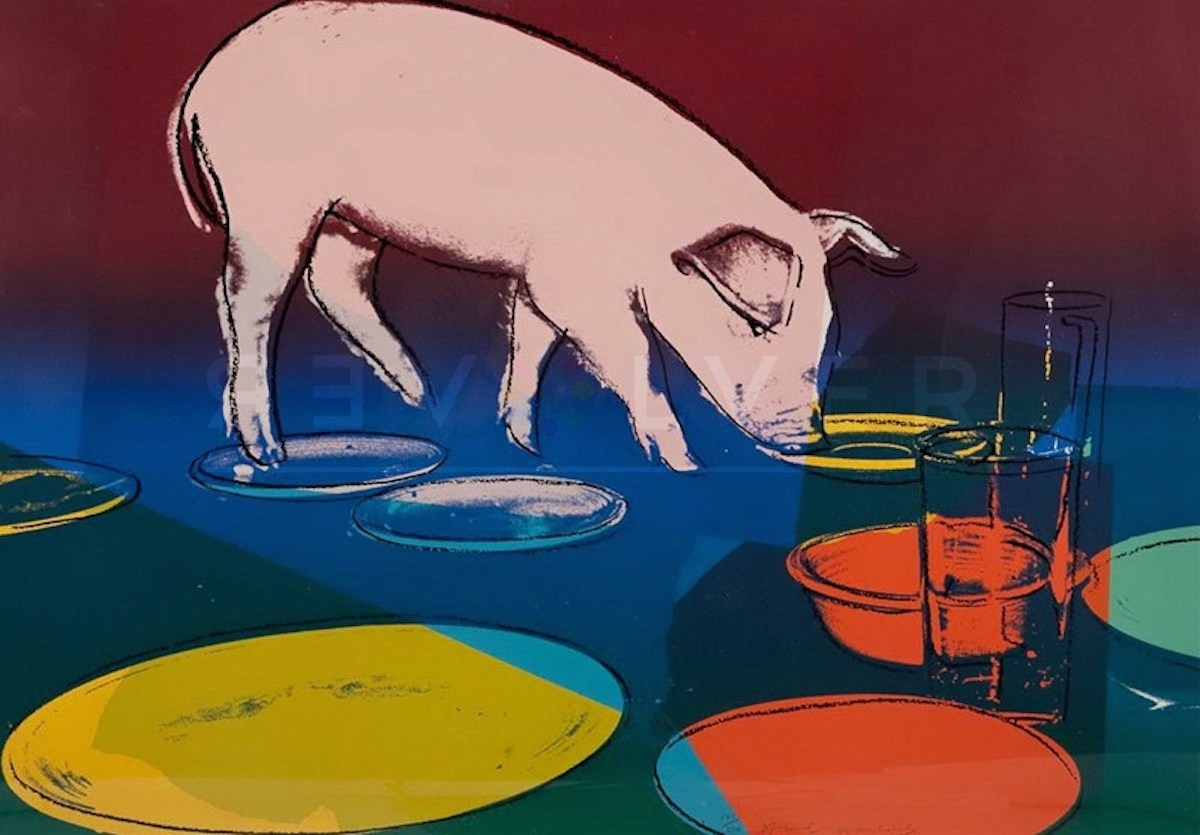
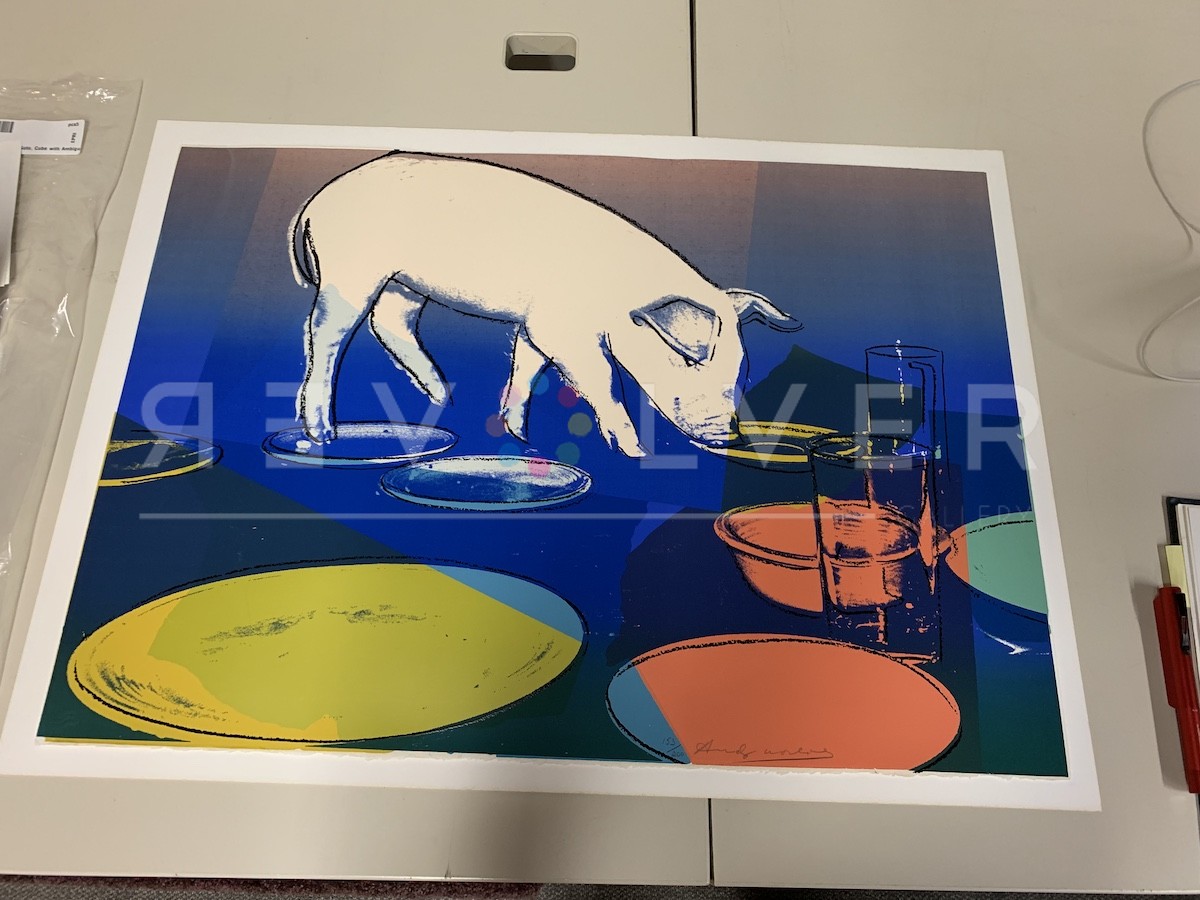
Picture of Fiesta Pig (FS II.184), 1979, Original Screen Print Out of Frame, by Andy Warhol
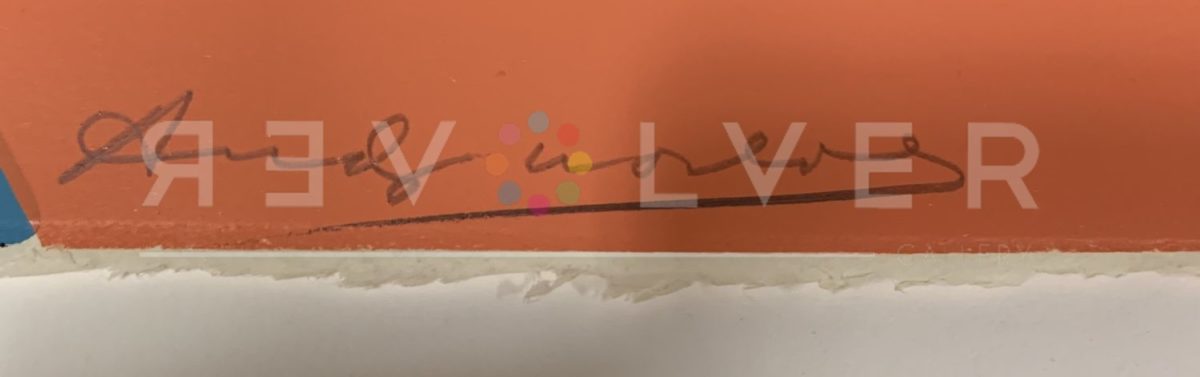
Picture of Signature, Fiesta Pig (FS II.184), 1979, Original Screen Print by Andy Warhol
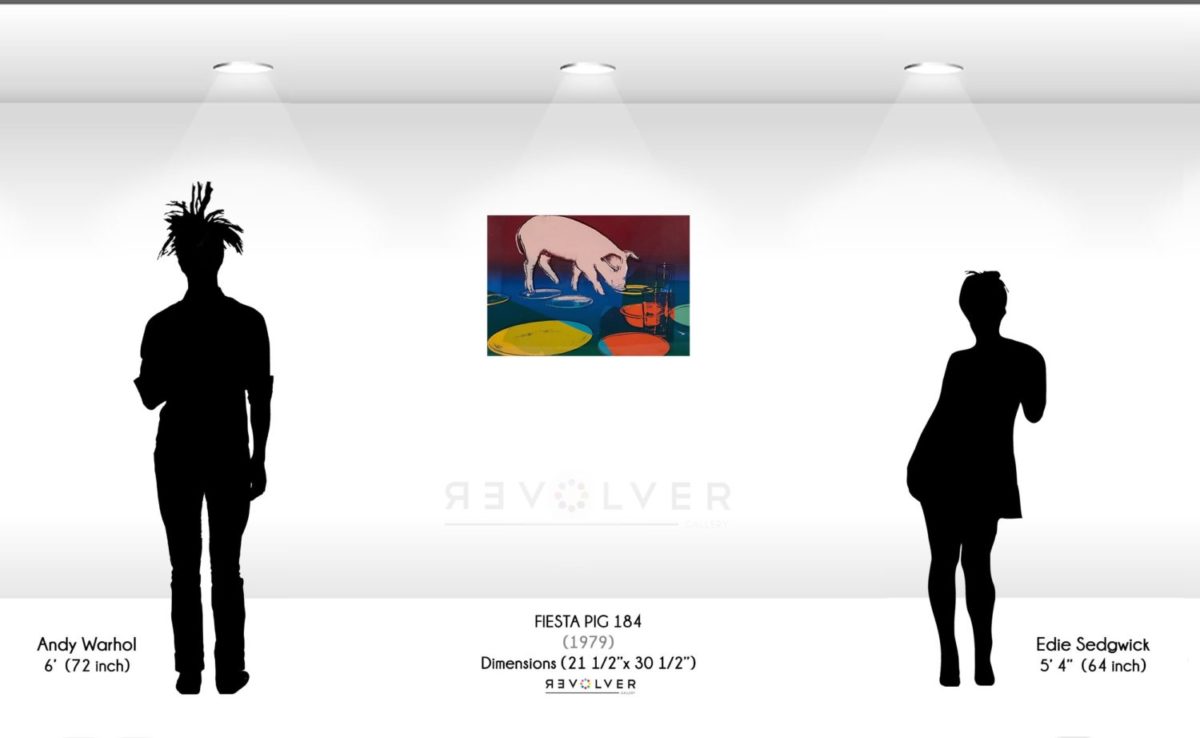
Fiesta Pig framed
Andy Warhol Fiesta pig 18

Fiesta Pig 184

Catalog Title: Fiesta Pig (FS II.184)
Year: 1979
Size: 21 1/2″ x 30 1/2″ | 54.6 x 77.5 cm
Medium: Screen print on Arches 88 paper
Edition: Edition of 200, 10 AP, 5 PP which are proof variations, 1 HC, signed and numbered in pencil lower right. Commissioned by the publisher for the readers of Die Welt, a German newspaper.
Name(Required)
This field is hidden when viewing the form

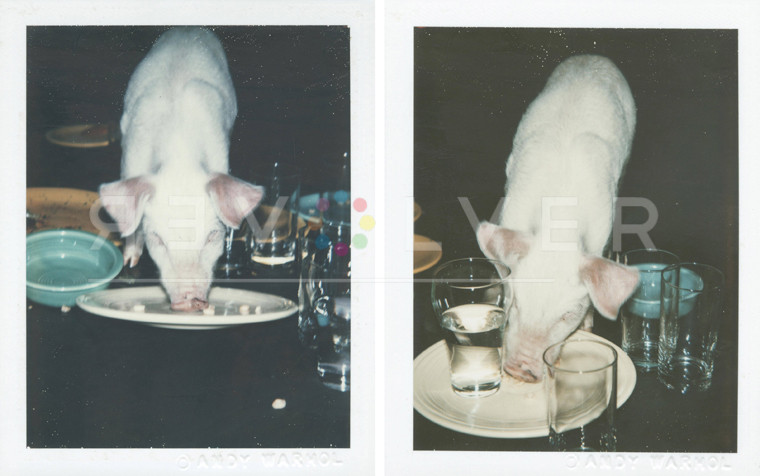
Andy Warhol created Fiesta Pig 184 in 1979, presenting a playful scene that blends humor, color, and sly social commentary. The screenprint shows a curious pig leaning into the clutter of an abandoned party. We see empty plates, half-finished drinks, and the scattered remnants of celebration. Warhol uses bold color-blocking—hot pinks, bright yellows, cool blues, and deep blacks—to create a vivid, almost cartoon-like composition. The result is a lively image where the animal’s silhouette pops against the saturated background. This makes Fiesta Pig 184 feel both mischievous and sharply observed. Moreover, the work reveals a lighter side of Warhol that often hides behind his portraiture. The pig’s nosy posture, paired with the chaotic tableware, hints at the excesses of late-1970s New York nightlife and the energy associated with Studio 54.

The Pig at the Party: Origins and Context

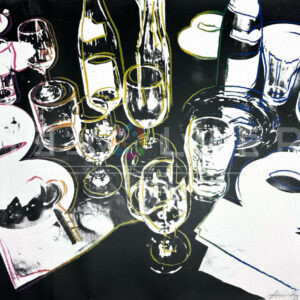
Warhol created Fiesta Pig 184 for the readers of the German newspaper Die Welt, responding to a commission that invited him to explore domestic objects and everyday settings. Additionally, the work follows the visual language he developed in After the Party 183, which also depicts scattered post-celebration debris. By returning to this imagery, Warhol emphasized the contrast between celebration and aftermath. It was a theme he explored throughout the late 1970s as he reflected on the glamour and exhaustion surrounding New York’s social scene. Furthermore, the pig, rendered with playful contours and strong outlines, adds a surreal quality to the composition. Its presence transforms a simple tabletop still life into a humorous narrative moment.

Fiesta Pig 184 in Warhol’s Larger Body of Work

Though less widely known than his celebrity portraits, Fiesta Pig 184 demonstrates Warhol’s continued interest in turning ordinary motifs into unexpected icons. The print features the same bright palette seen in Mick Jagger and the same playful reinvention found in his Cow series. Moreover, its whimsical tone aligns with Warhol’s fascination with domestic imagery—objects, food, clutter, and the traces of human behavior. As a result, the work feels intimate yet lively, offering collectors a rare glimpse of Warhol’s humorous, less formal side. Today, Fiesta Pig 184 stands as a charming and distinctive example of Warhol’s ability to fuse Pop Art aesthetics with everyday scenes.

Photo credit: Andy Warhol, Fiesta Pig, 1979. Two unique Polaroid prints; each 4.25 x 3.375 in. Courtesy of Christie’s.

Share this page:

Related Works