Aurora Garrison | March 2018
Never one to reveal too much about himself or his art in interviews, Warhol’s death and subsequent autopsy results remained shadowed in mystery – 31 years after his death on February 22, 1987.
“This is one of the most fascinating and challenging cases I’ve come across,” states Dr. Michael Hunter, the forensic pathologist reviewing and investigating Warhol’s autopsy report and the cloudy circumstances surrounding Warhol’ early and untimely death at the age 58 years old.
In the Reelz network’s series, Autopsy: The Last Hours of…Andy Warhol,” Dr. Hunter probes the medical report and interviews those close to Warhol; knowledgeable about his death in the New York Hospital in 1987.
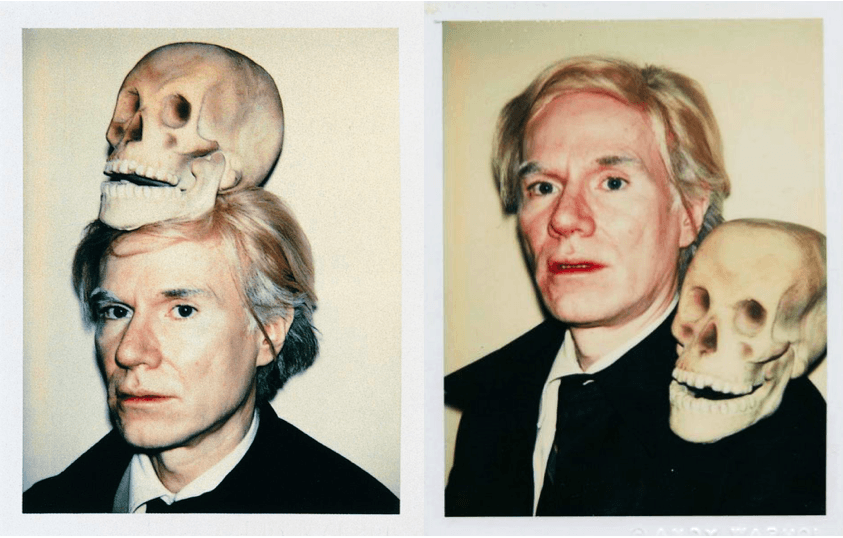
Andy Warhol’s death occurred less than 24 hours after successful surgery to remove his gall bladder. Yet, after the one of the most extensive autopsies and reports Dr. Hunter has come across in his case studies, the report cryptically concludes the actual cause of death is: “Pending Further Investigation.”
This Reelz series highlights famous celebrities and their infamous deaths. The lineup of Reelz Channel’s Autopsy show includes Judy Garland and Muhammed Ali – two of the 20th century’s most famous artists ad athletes.
After the successful gall bladder surgery, Warhol was awake and making plans to attend a new ballet performance the next evening, according to his dermatologist who spoke to him shortly after surgery.
But then something goes terribly wrong. Placed on a morphine drip the evening of February 21, 1987, Warhol never regains consciousness. Dr. Hunter concludes that the doctors and the post-mortem examination simply could not answer what was Warhol’s cause of death. “They struggled to find a definitive answer,” Dr. Hunter confirms.
It is this controversy over Warhol’s death that later erupts into a multimillion dollar lawsuit by the estate of Warhol against the hospital after his 1987 death. Controversy, it seems, surrounded Andy Warhol in death as it did in life. “The irony of Andy Warhol’s death being such mystery does not escape me,” quips Dr. Hunter.

Santa Monica, California.
However, despite the unseemly and voyeuristic titillation of probing into Warhol’s life and death behind the medical screens, there’s a fundamental sadness and unshakeable melancholy in the one-hour episode featuring original Warhol photos, interviews with friends, doctors and biographers and one-too many re-enactments with actors depicting Warhol’s last days.
Warhol abhorred and feared hospitals due to the successive traumas of losing his father when Warhol was 14 years old, followed by his mother’s battle with cancer in the hospital soon after his father’s death and, ultimately Warhol’s the shocking and infamous 1968 shooting of Warhol and five hours survey which left Warhol physically and psychologically scarred for the rest of his life.
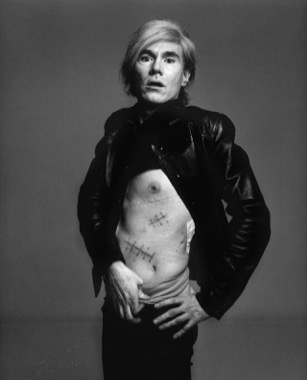
Reelz Channel’s show sensationalizes Warhol’s fear of the hospital and Dr. Hunrter probes, and suggests convincingly, that Warhol’s fear of hospitals resulted from the traumatic family hospital crises in his early life and his battle at 40 years of age to recover from the multiple gunshot wounds inflicted upon him by Valerie Solanas, one of the actresses performing in his films in 1968.
Yet, there is something so macabre in the telling of the Warhol death that it’s hard to turn the program off. And there’s the old adage that one dies as one lived.
Here, the last days of Warhol, he died alone, yet stoically confronting his fears of hospitals. Because, in Warhol’s mind, to go into the hospital for surgery meant that he wasn’t coming back out.
In the end Warhol’s fears proved correct and he died shortly after his surgery. His estate sued the hospital for his death and the hospital paid $3 million to Warhol’s estate.
Fittingly, we should give Andy Warhol the last word on his fame and death and the public’s fascination with Warhol the man, Warhol the icon and Warhol the artist: “I’m not afraid to die; I just don’t want to be there when it happens.”