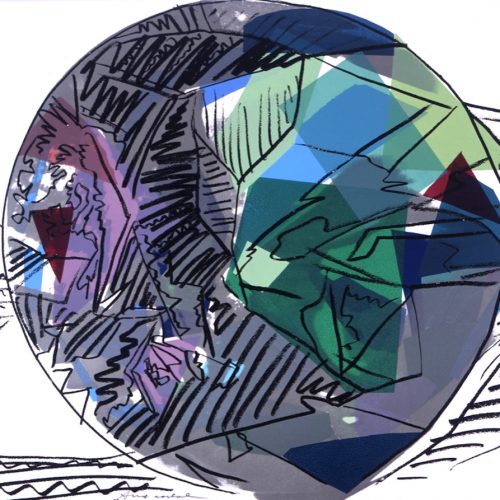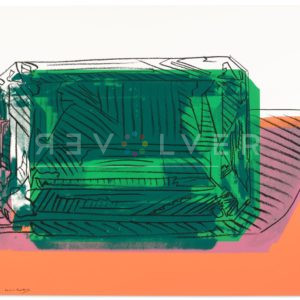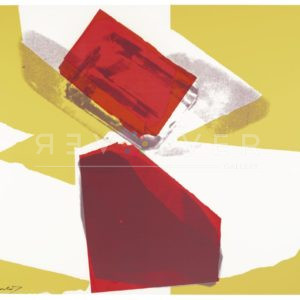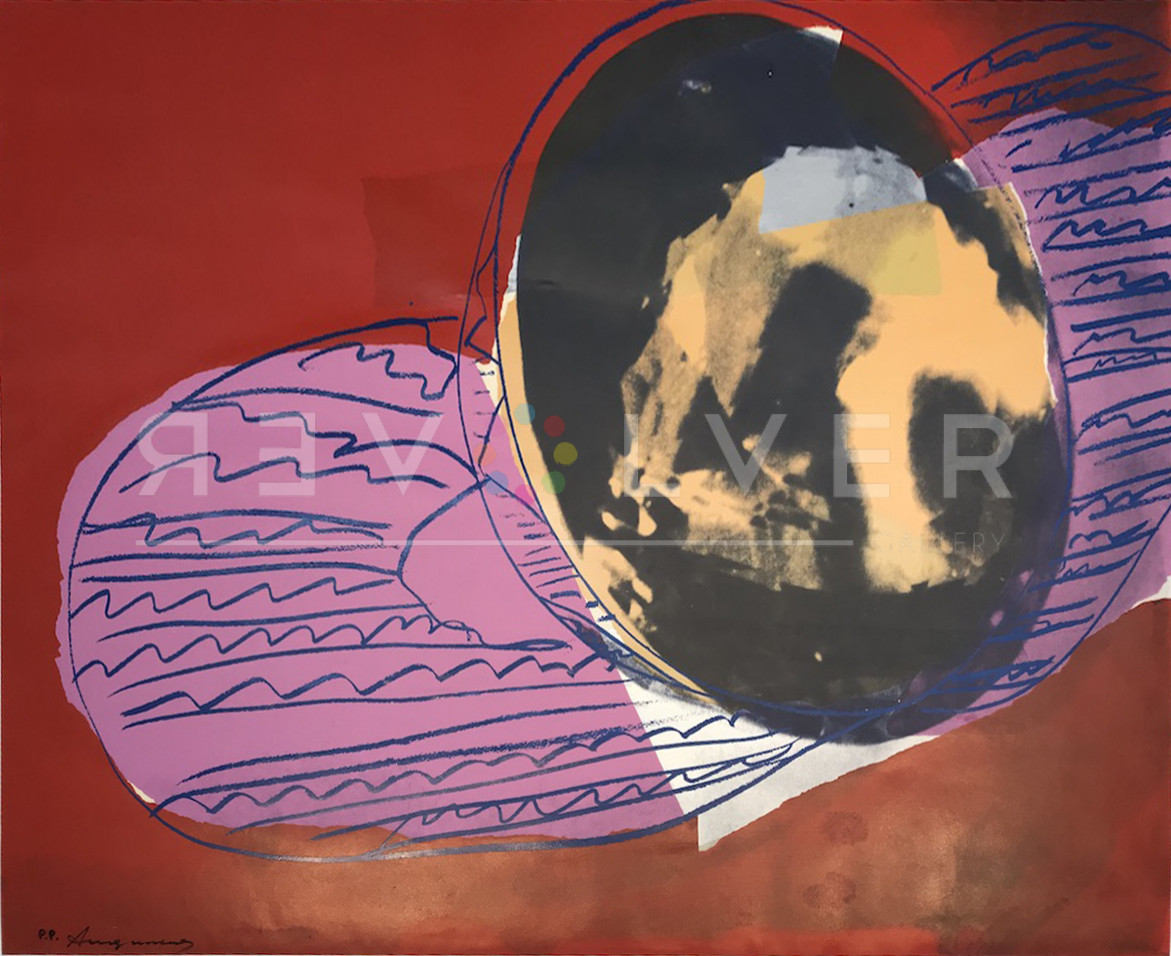
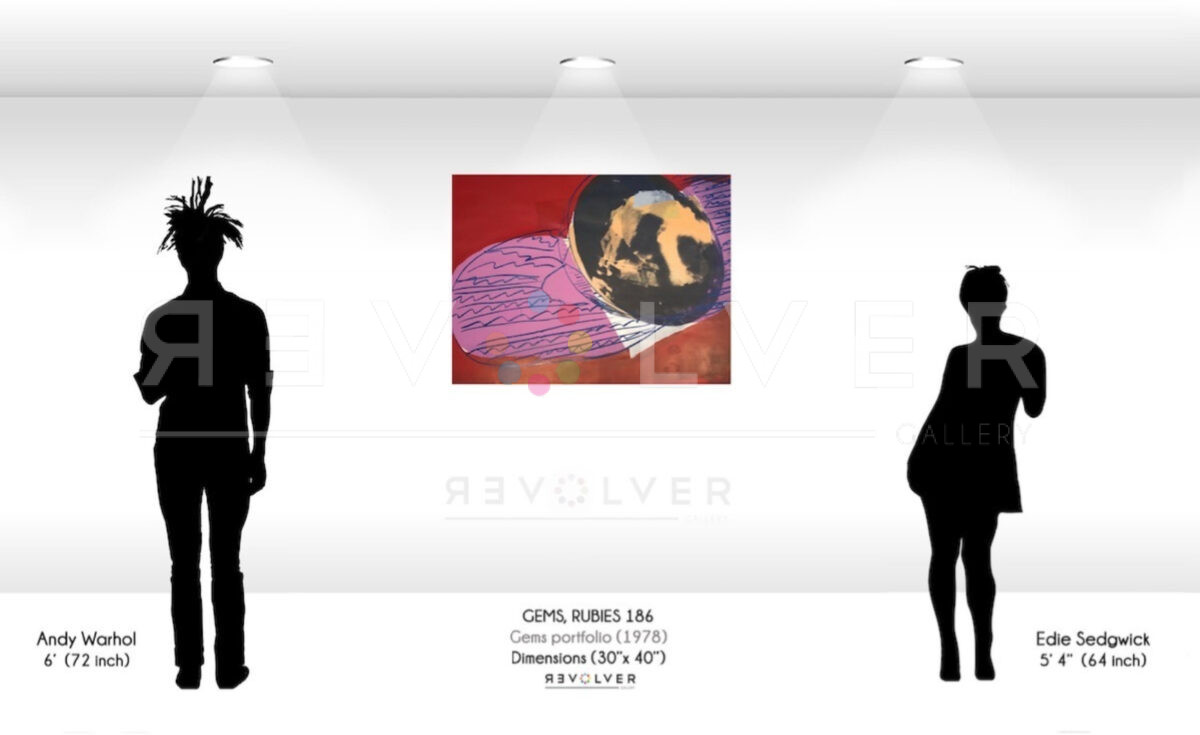
Andy Warhol’s Gems 186 is one of four screen prints in his Gems portfolio. The portfolio contains four images of precious gemstones including rubies and emeralds. As Warhol frequently wore exquisite jewelry by Cartier and Harry Winston, this series reflects his fascination with fine jewelry.
Warhol’s appreciation of glitz and glamour is also visible in other works he completed in the late 70s and early 80s. In addition to the Gems portfolio, Warhol’s 1979 After the Party and his 1980 Shoes series both illustrate the elegance of the world that he and his friends occupied. At The Factory, socialites and celebrities often gathered for outrageous parties. Expensive clothing and jewelry abounded at these functions in dazzling displays of wealth and status.
Though Andy Warhol is known for his flamboyance and decadence, Gems 186 also illustrates the difficulties of being an openly gay in a time when homosexuality was still such a sensitive subject. This tension is visible in the “hidden glow” of the Gems portfolio which was discovered in recent years. A German curator realized that the prints in the Gems portfolio display a fluorescent glow beneath ultraviolet light. This phenomenon becomes quite poignant knowing that Warhol himself often had to hide who he was from the public despite his fame and celebrity. Although Warhol often wore jewelry, he seldom let it be visible to others, instead hiding the gems beneath his clothing—his own “glow” as it were. Warhol was also an avid jewelry collector in the later period of his life and was a close friend of Paloma Picasso, the esteemed jewelry designer.
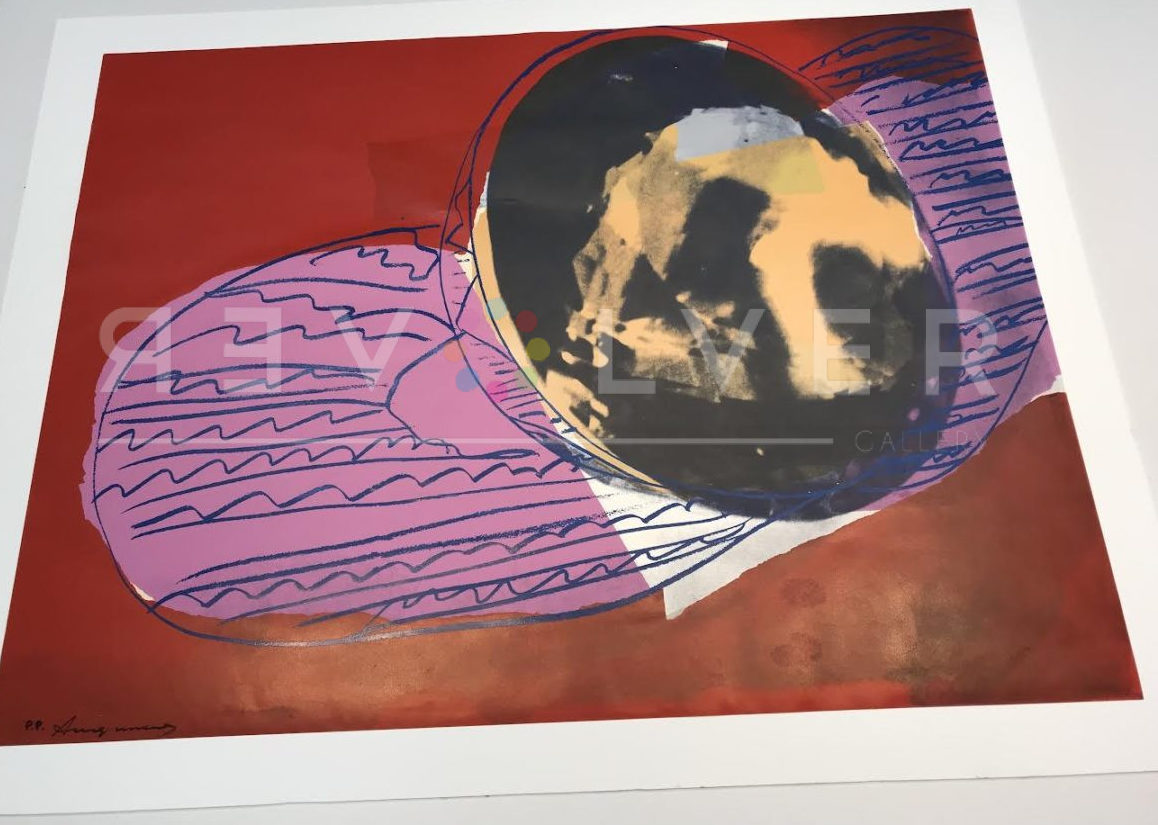
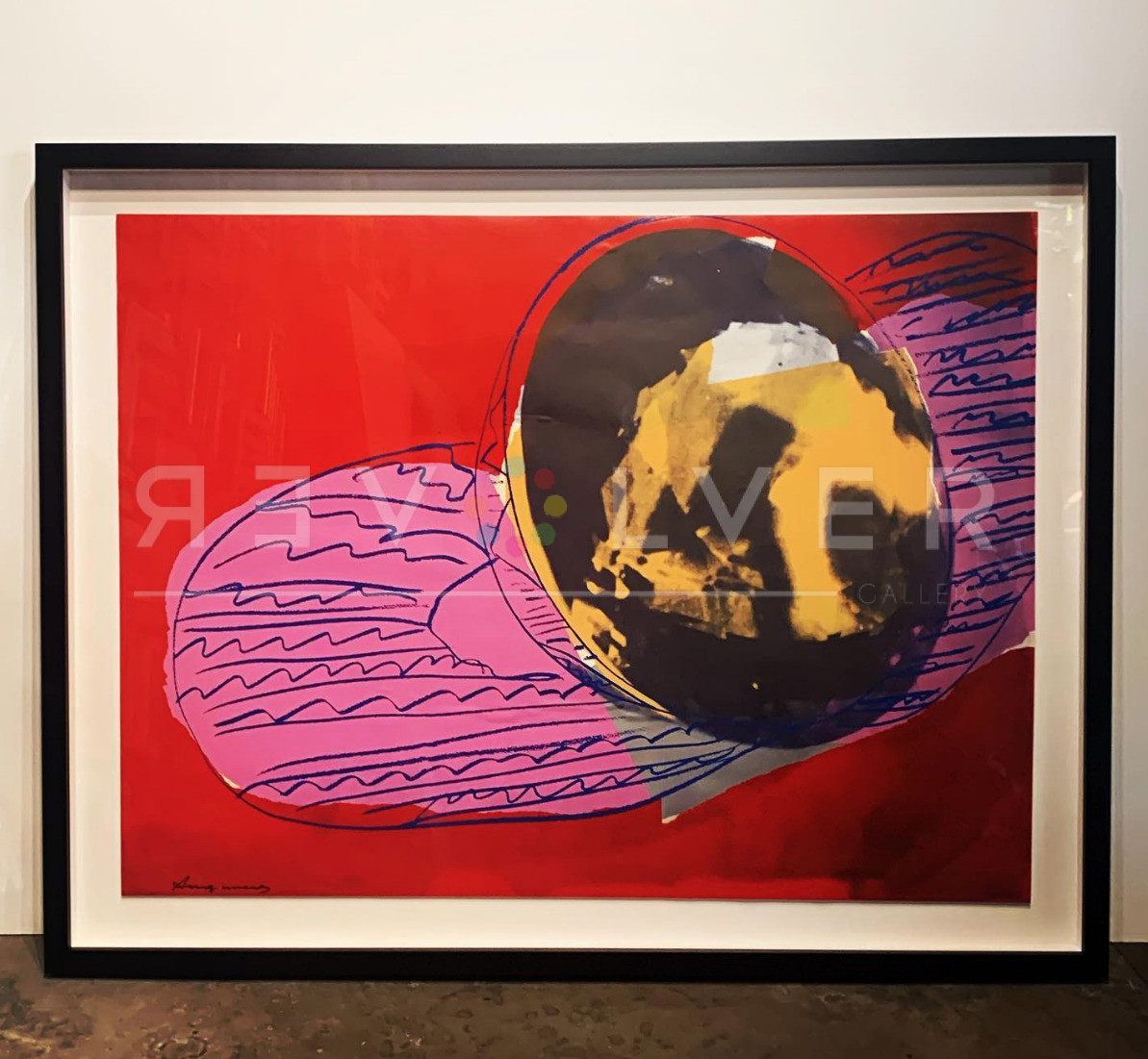
As with Gems 189 and 187, in Gems 186, Warhol depicts a round-cut gemstone—in this case, a ruby. In Gems 186, the ruby is lying on its side against a background of bright red. The gem itself is printed in splotches of deep red and orange meant to mimic the way that the physical stone would shine and reflect light. Its shadows are printed in a bright pink over which Warhol sketched shading lines in dashes and zig zags of blue. The distinct styles of the shadow and the gem work together to highlight the disparity between the object and its symbolic value.
Gems 186 and 187 may also serve as testaments to Warhol’s fascination with Liz Taylor, one of his many celebrity muses. Taylor’s affinity toward rubies was well-known, and her personal jewelry collection featured a ruby ring set that sold at auction for 4.2 million dollars. Warhol used Taylor’s likeness in one of his earliest breakout series, the 1965 Liz Taylor portfolio, which he created around the same time of his renowned Marilyn Monroe portfolio.
Warhol’s Gems 186 reflects his enduring interest in wealth, consumerism, and glamour, as well as his startling ability to call these notions into question.
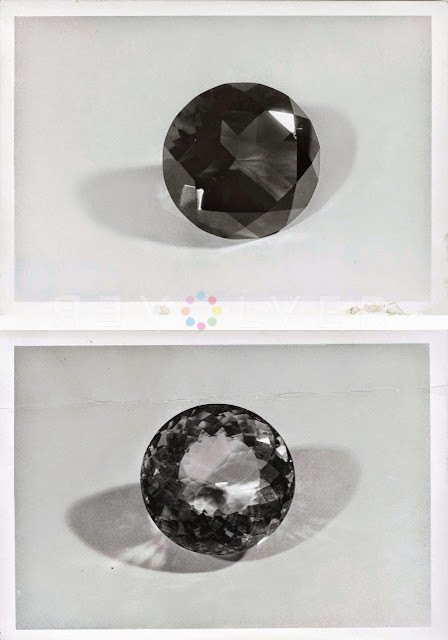
Photo credit: Andy Warhol, Gems, unique gelatin silver prints, executed circa 1978.