Andy Warhol Howdy doody Tp 263
Andy Warhol - Howdy Doody F.S. II 263 TP jpg
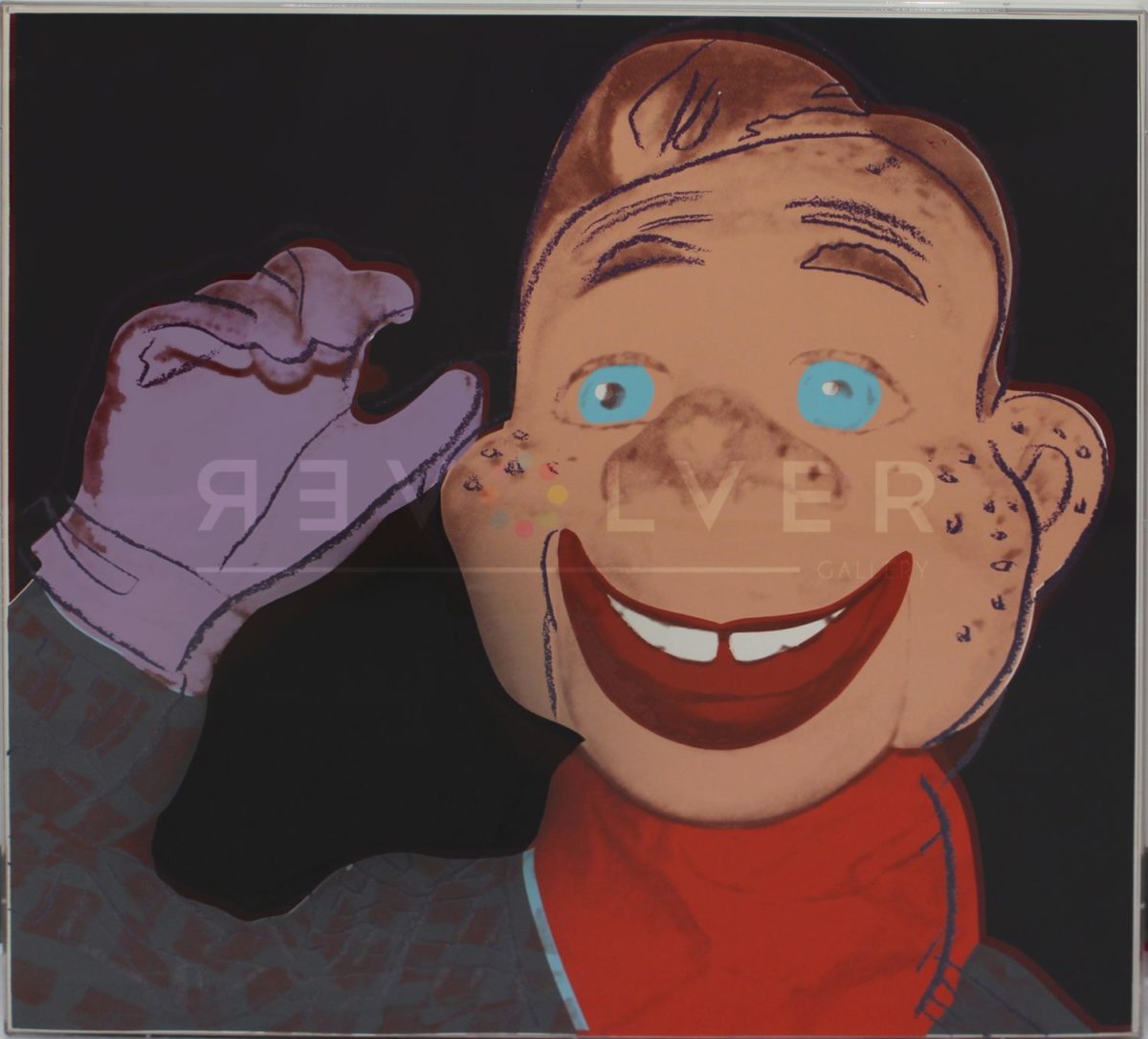
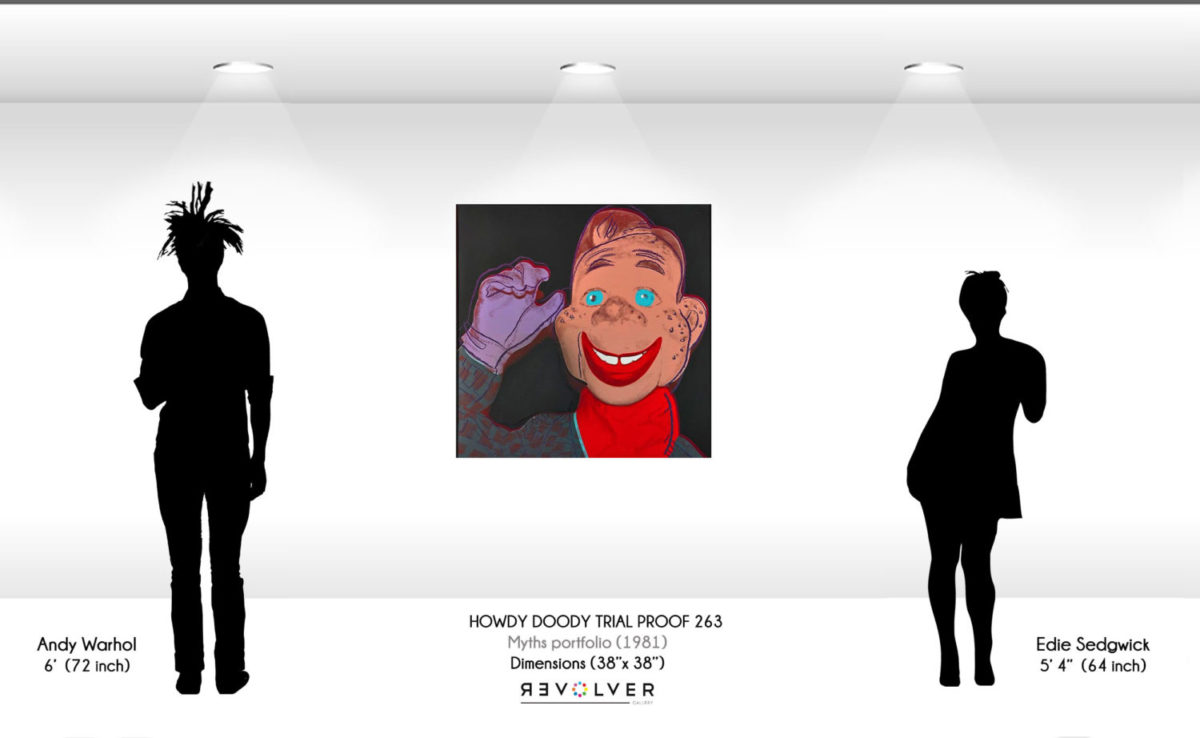
Howdy Doody Trial Proof in a frame
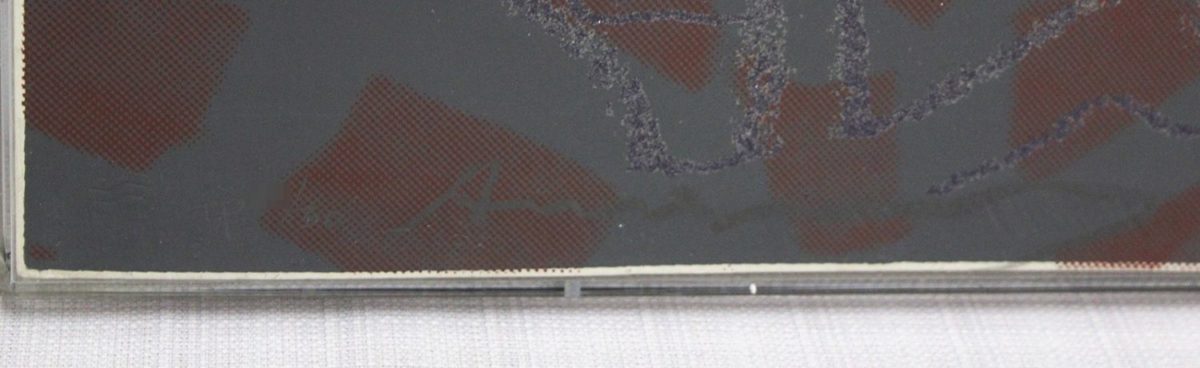
Howdy Doody Trial Proof signature detail
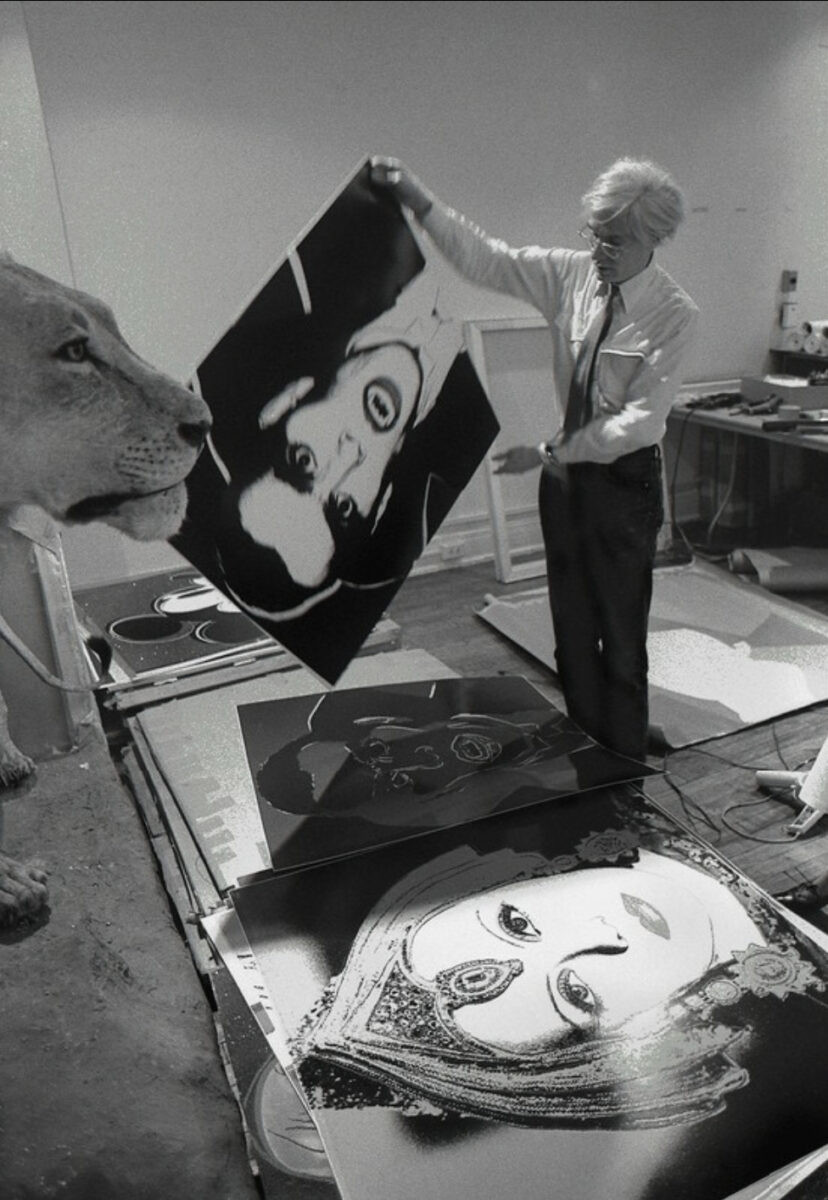
Andy Warhol in his studio holding the Dracula screenprint from Myths
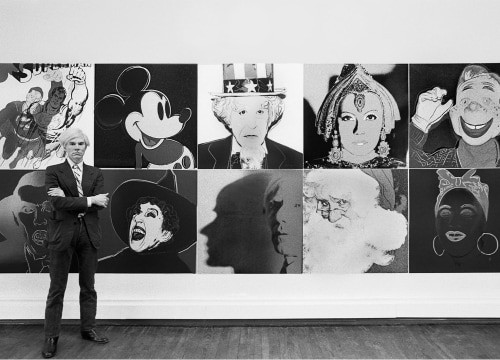
Warhol standing with his Myths portfolio

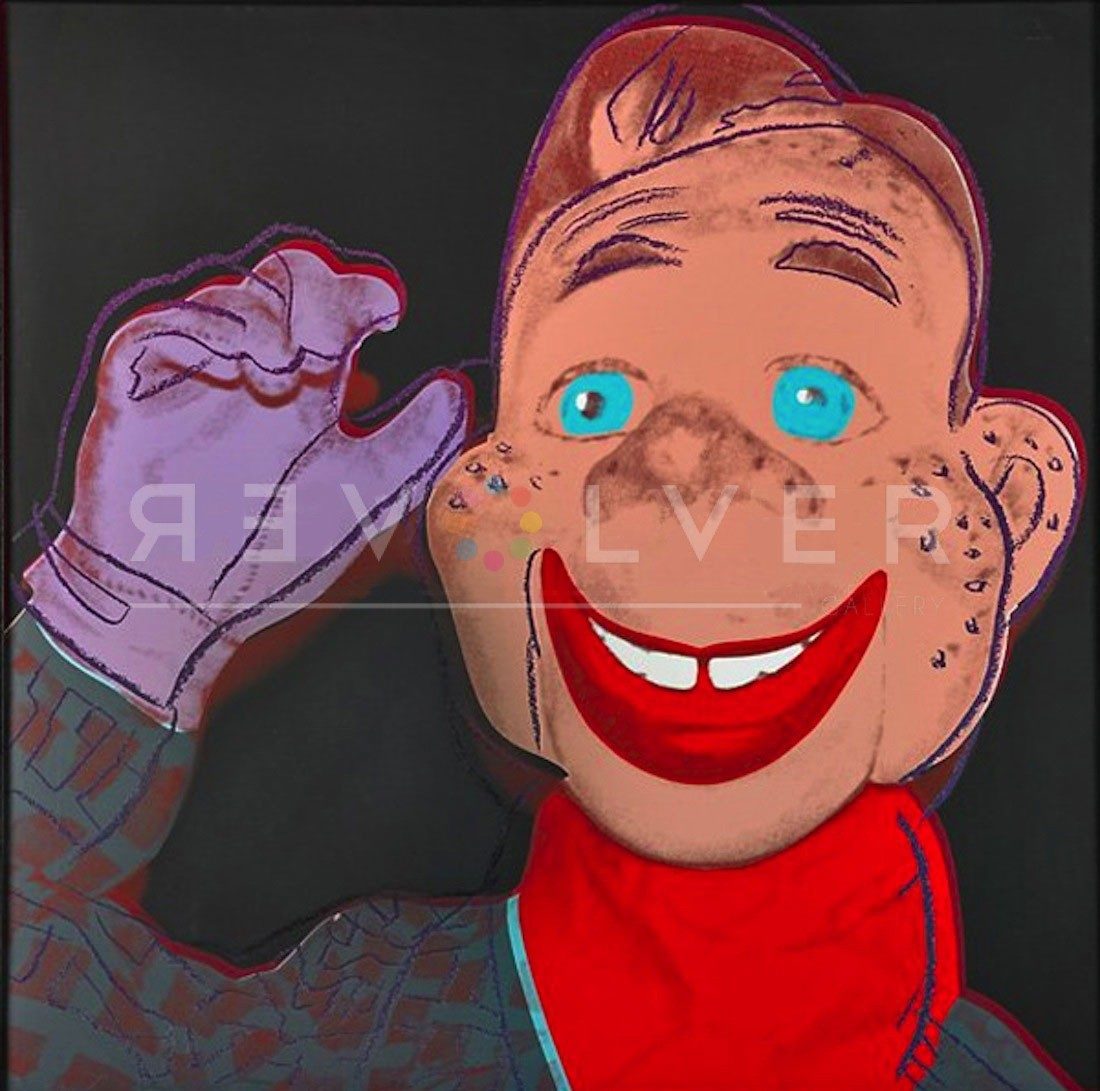
Howdy Doody 263 (Trial Proof)

Catalog Title: Howdy Doody Trial Proof (FS IIB.263)
Year: 1981
Size: 38" x 38" | 96.5 x 96.5 cm
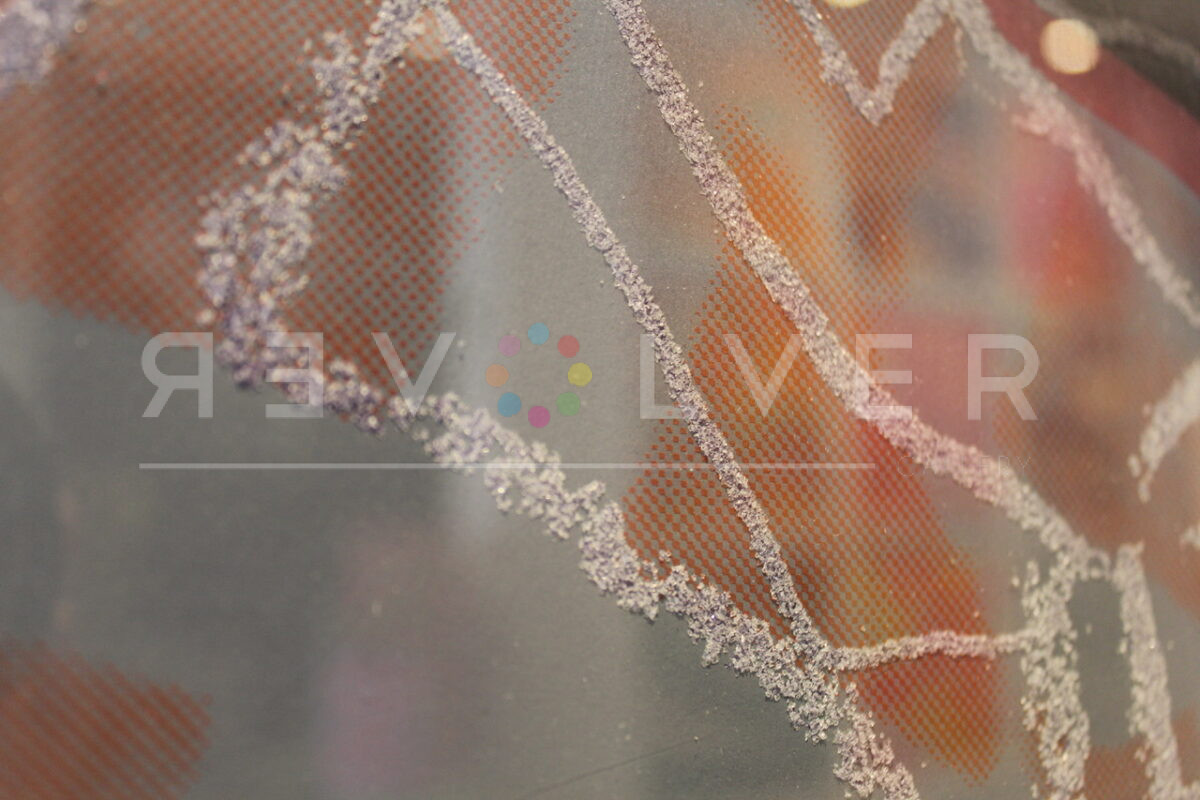
Medium: Screenprint on Lenox Museum Board with Diamond Dust.
Edition: Edition of 30 TP signed and numbered in pencil on lower left.
Name(Required)
This field is hidden when viewing the form

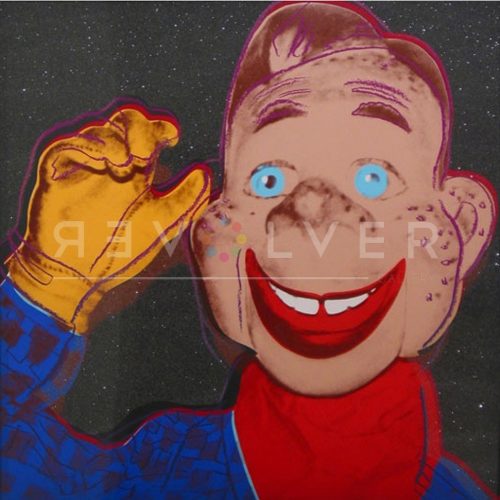
Howdy Doody (Trial Proof) 263 by Andy Warhol presents the familiar puppet character frontally, cropped at the torso, with an oversized head and raised gloved hand frozen mid-wave. Bright turquoise eyes, a wide red smile, freckles, and exaggerated ears give the face an uncanny cheerfulness. Warhol sets the figure against a dark ground, intensifying the saturated colors of the costume. However, the subtle tonal shifts and surface variations reveal the experimental nature of this trial proof. Compared to the regular edition, it presents a more restrained color composition, with muted tones and a cooler overall balance.

A remarkably sought-after image, Howdy Doody (Trial Proof) 263 is one of ten screenprints related to Warhol’s 1981 Myths Complete Portfolio. As a trial proof, this work was printed during the editioning process and used to evaluate color, registration, and surface before final approval. It is stamped in black on the verso and bears the printer’s chop mark, distinguishing it from the numbered edition.

Howdy Doody (Trial Proof) 263 and the Myths Series

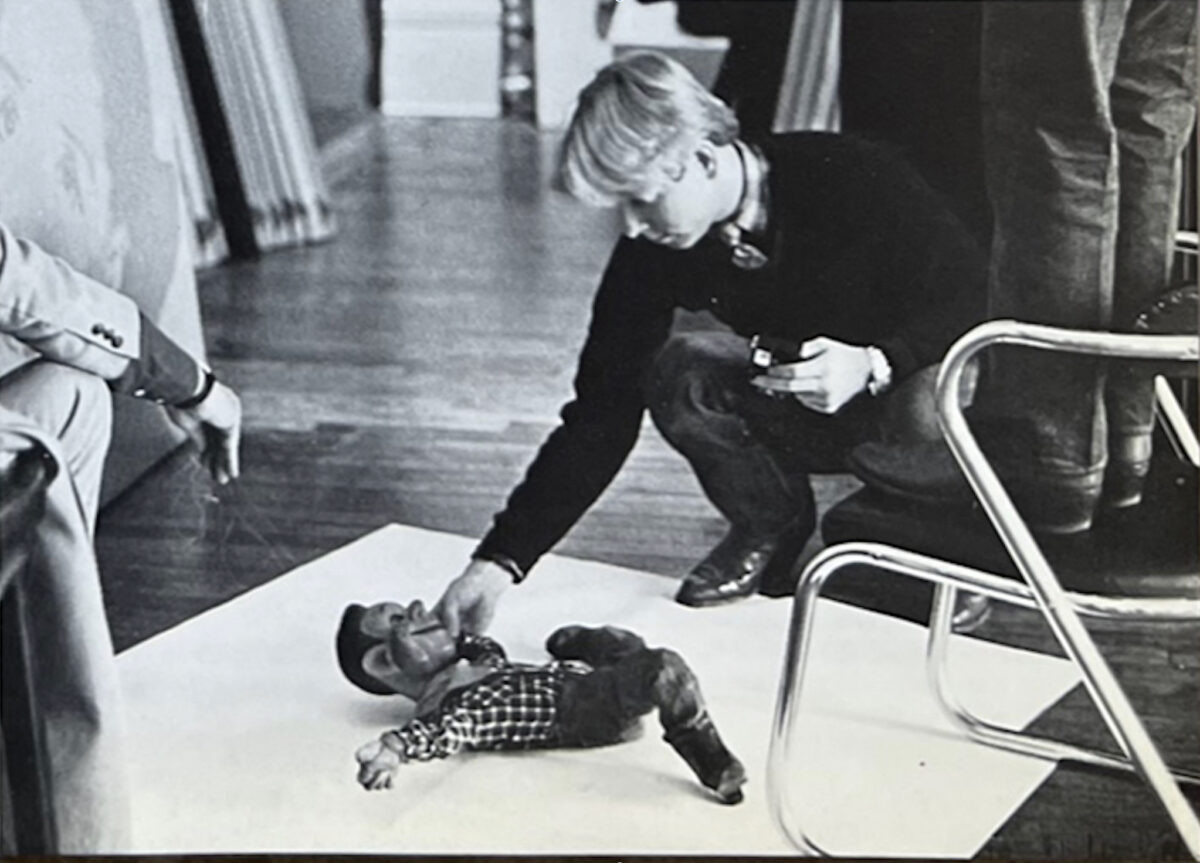
This artwork depicts the beloved marionette doll named Howdy Doody from the eponymous kids TV show. However, unlike many of Warhol’s iconic images, Howdy Doody (Trial Proof) 263 does not originate from mass-media source. Instead, Warhol based the image on a photograph he took himself of the original puppet. This personal source sets the work apart within the Myths series, which otherwise draws heavily on figures from mid-century television, film, and popular lore. Even so, the subject still embodies Warhol’s fascination with constructed fame and artificial personality.

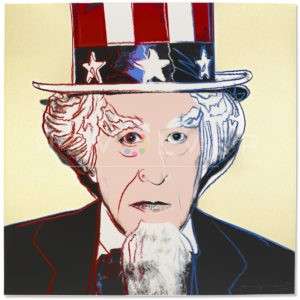
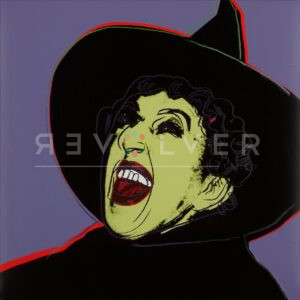
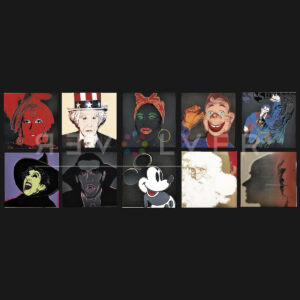
The Myths portfolio brings together ten instantly recognizable figures who evolved into cultural icons over time. These include childhood favorites such as Mickey Mouse and Santa Claus, alongside darker fictional characters like Dracula, The Wicked Witch, and Uncle Sam. Together, they form a portrait of American imagination shaped by repetition, performance, and spectacle.

Trial Proofs and Warhol’s Late Screenprinting Practice

Warhol produced the Myths series during the early 1980s, a period when he refined his screenprinting techniques with increasing precision. Trial proofs like Howdy Doody (Trial Proof) 263 reflect this process-driven approach. These impressions often show subtle differences in color density, surface texture, or alignment. As such, they offer insights into how Warhol and his printers finalized each image.

During this same period, Warhol created other technically ambitious bodies of work. These included the Shoes series, Ten Portraits of Jews of the Twentieth Century, and Endangered Species. Within this context, Howdy Doody (Trial Proof) 263 stands as both a technical artifact and a vivid expression of Warhol’s enduring interest in fabricated identity.

Howdy Doody (Trial Proof) 263 in Warhol’s Larger Body of Work

Although playful on the surface, Howdy Doody (Trial Proof) 263 reveals Warhol’s sharp understanding of how innocence, artifice, and celebrity intersect. The puppet’s fixed grin and glassy stare suggest both charm and emptiness, qualities that recur throughout Warhol’s portraits. As a trial proof, the work holds added appeal for collectors, offering a rare glimpse into Warhol’s decision-making process at a late and highly productive stage of his career.

Photo Credit: Andy Warhol photographing Howdy Doody. Photographer unknown. Courtesy of Judd Tully Art Critic, Journalist and Filmmaker.
Share this page:

Related Works