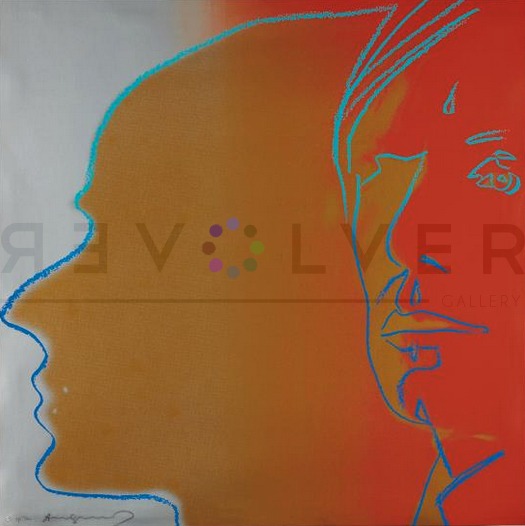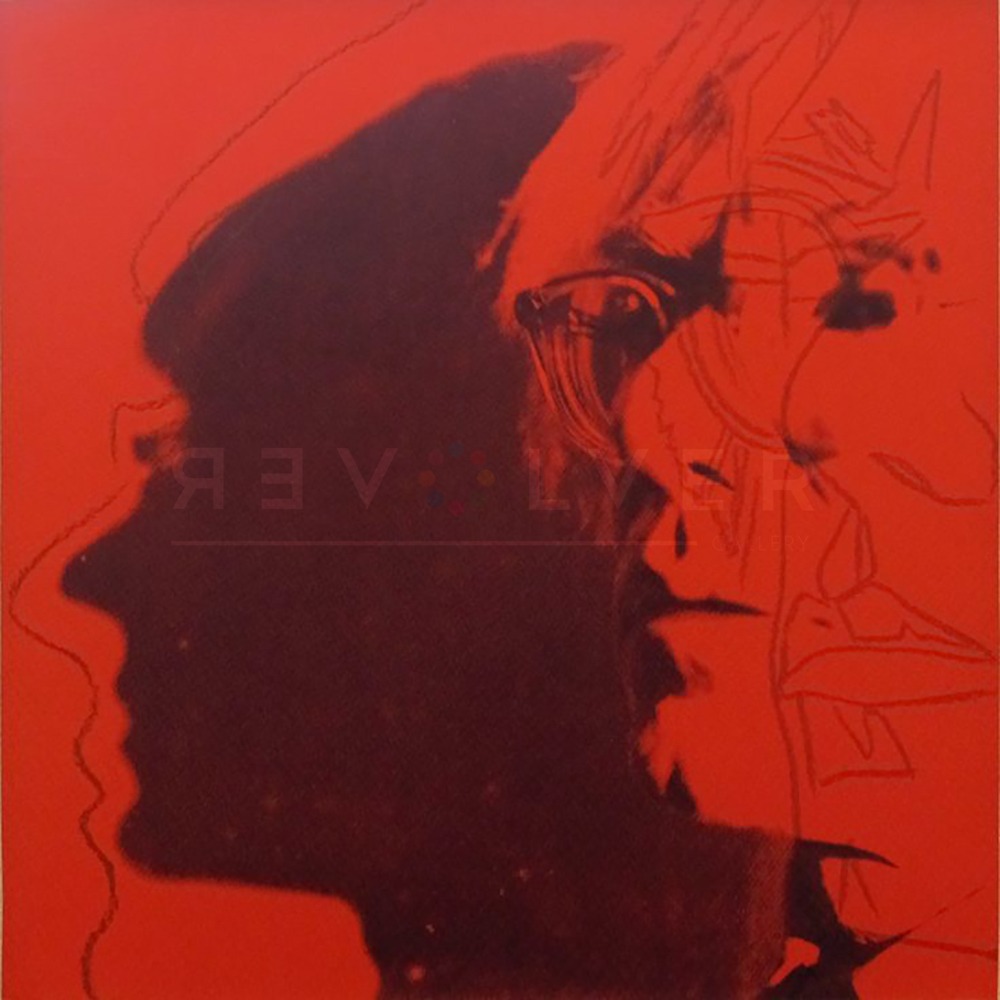
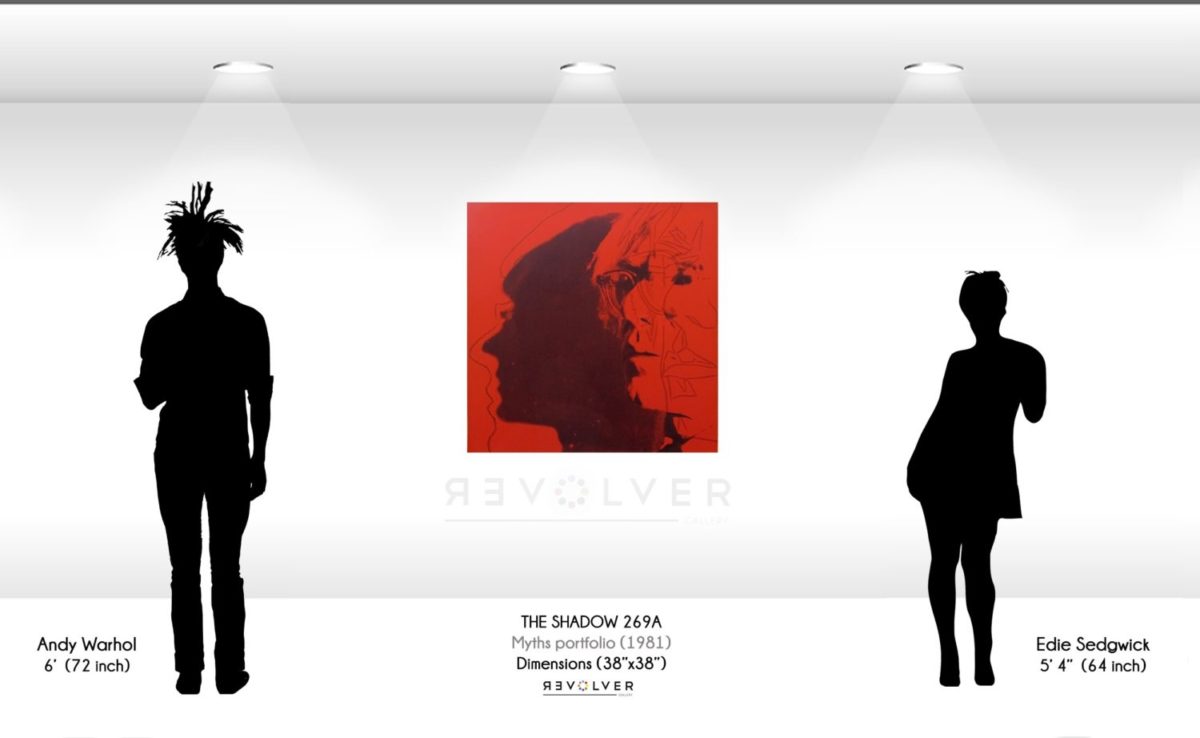
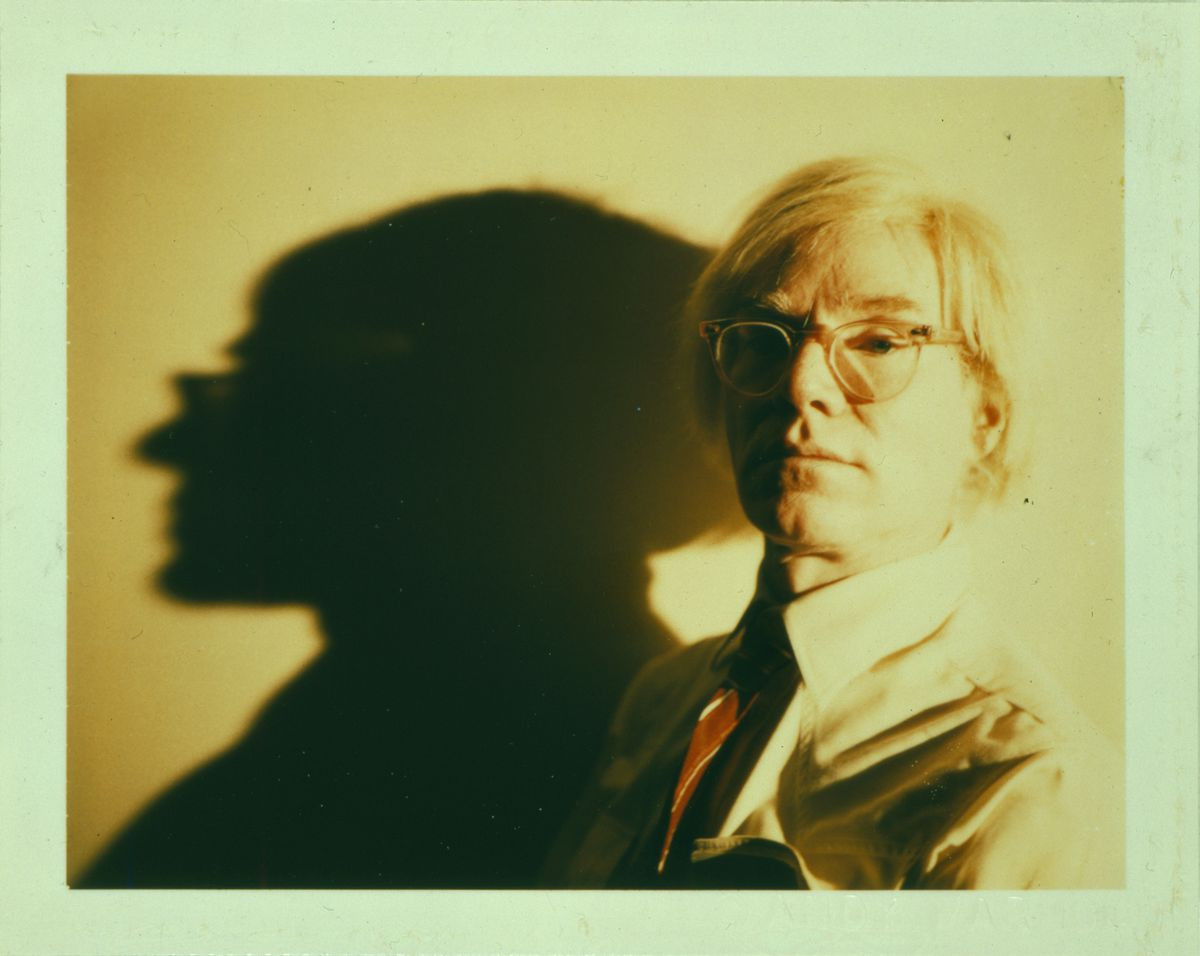
The Shadow 269A by Andy Warhol is based on his 1981 print, The Shadow 267, from his Myths series. Warhol portrayed himself as “The Shadow,” a popular radio crime fighter from the 1930s. The double portrait has him looking out at the viewer as well as in a darkened, shadowy profile. The deep red is a rare color in Warhol’s works, which is evocative of his Hammer and Sickle portfolio.
The Shadow 269A as Part of Andy Warhol’s Larger Body of Work
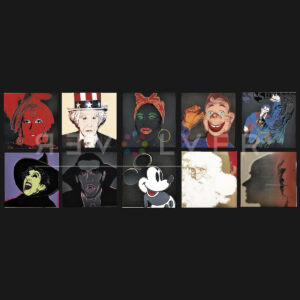
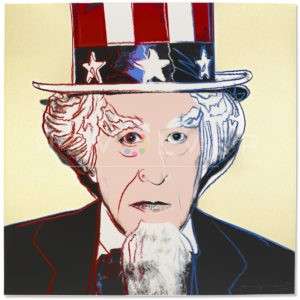
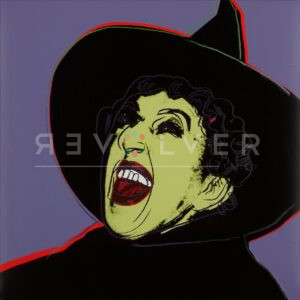
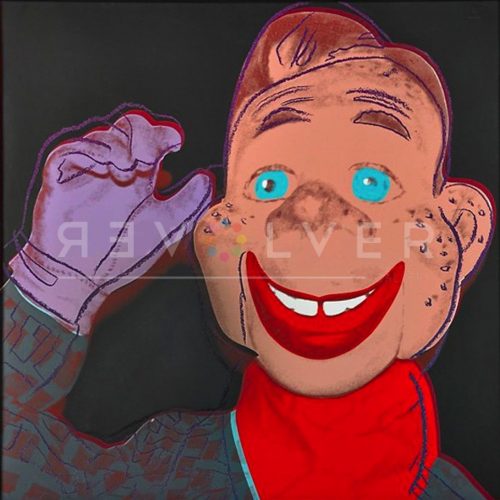
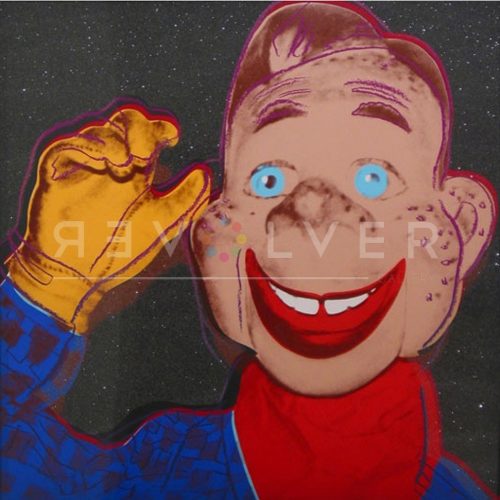
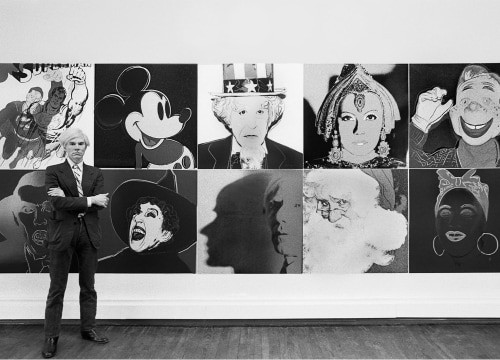
The Myths series exemplifies Warhol’s unerring sense for the powerful motifs of his time. Most of images in Warhol’s Myths series are taken from 1950s television or old Hollywood films. They portray the universal view of America’s once captivating and commanding past. Other pieces included in the series are characters loved by children such as Mickey Mouse, Howdy Doody, and Santa Claus, as well as fictional figures like Dracula, The Wicked Witch of the West, and Uncle Sam. While each of these characters has a strong, sometimes unpleasant persona, they are distinctly separated from reality. It has been said that Warhol considered each of these characters to be facets of his personality. Each of the ten works in Warhol’s Myths portfolio represents a different archetype of American popular culture.
Photo credit: Photograph by Andy Warhol / Courtesy Andy Warhol Foundation / Netflix.