
Martin Buber by Andy Warhol
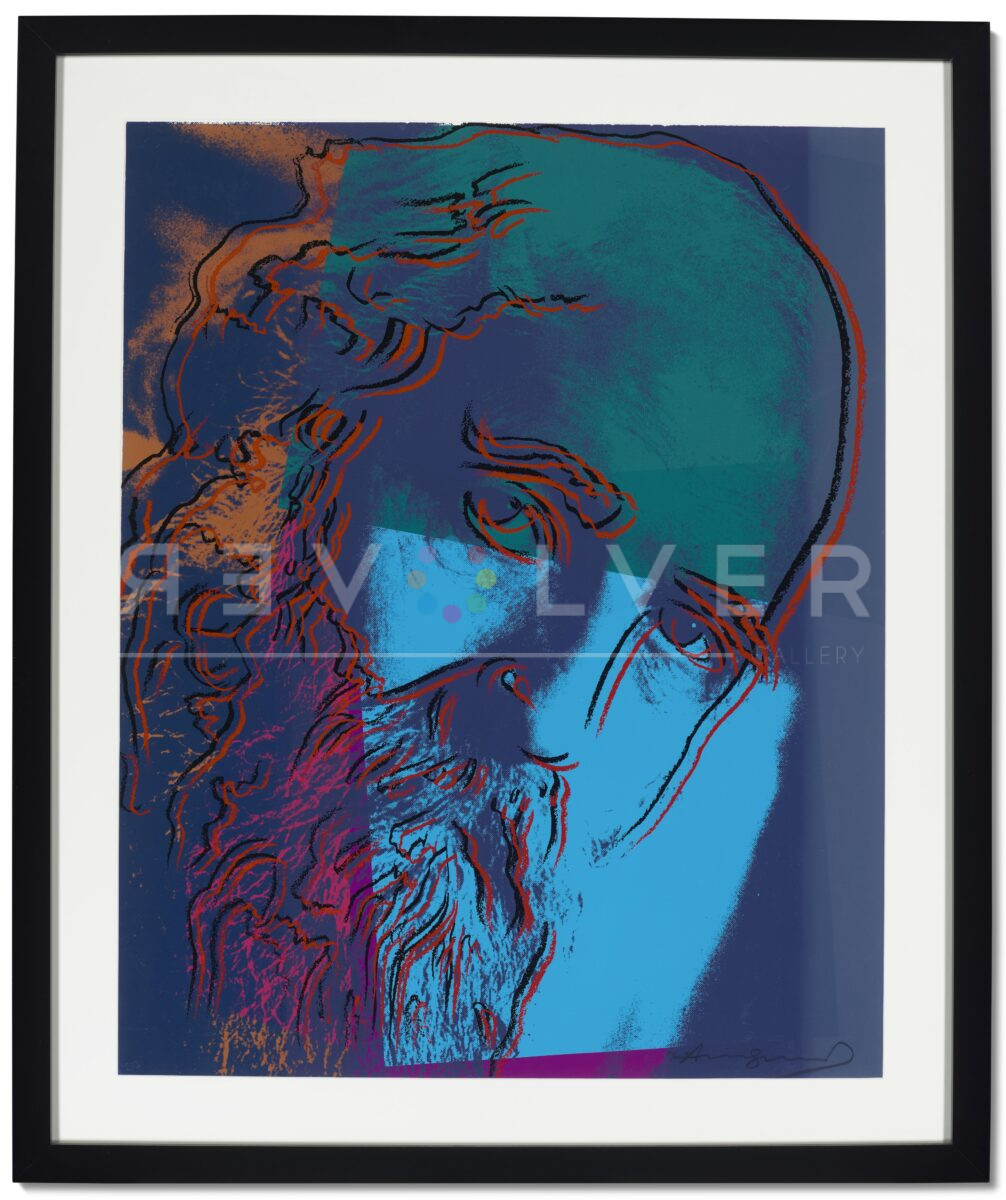
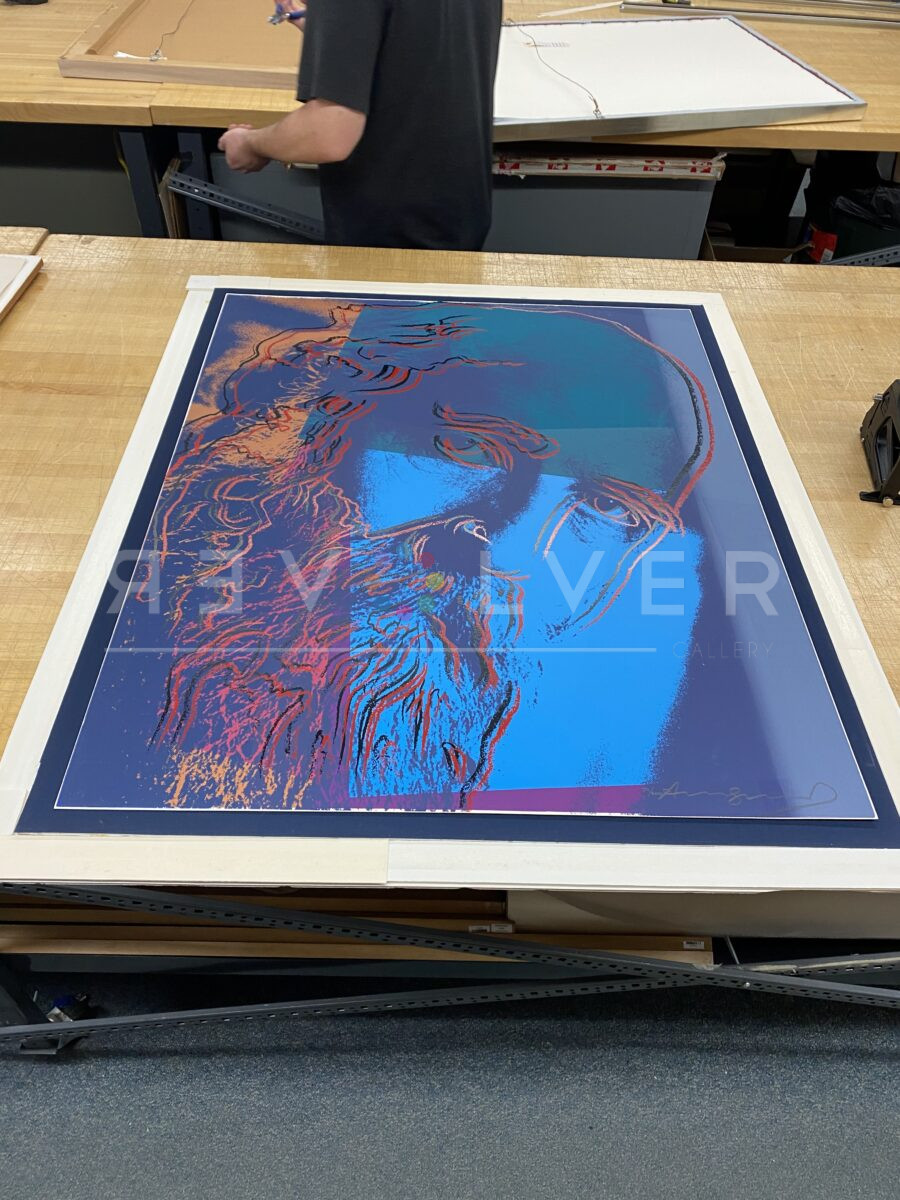
Martin Buber outside of a frame
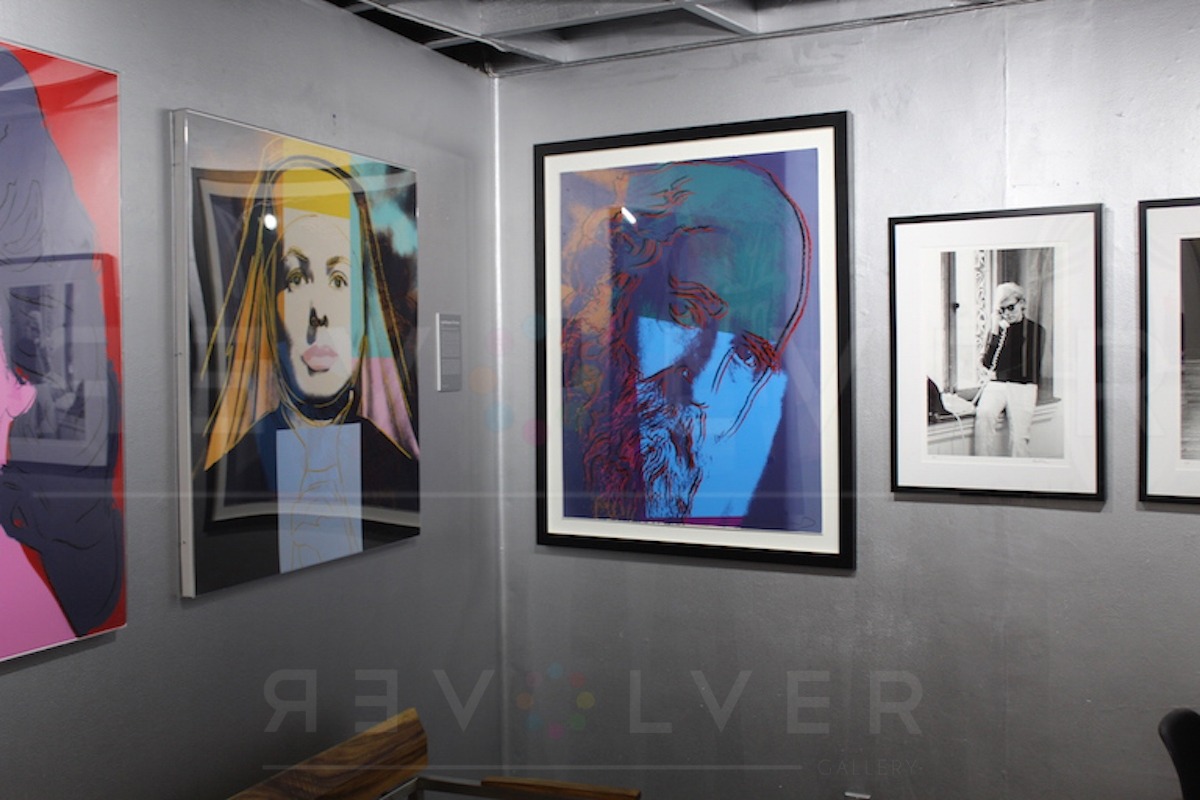
Martin Buber at Revolver Gallery
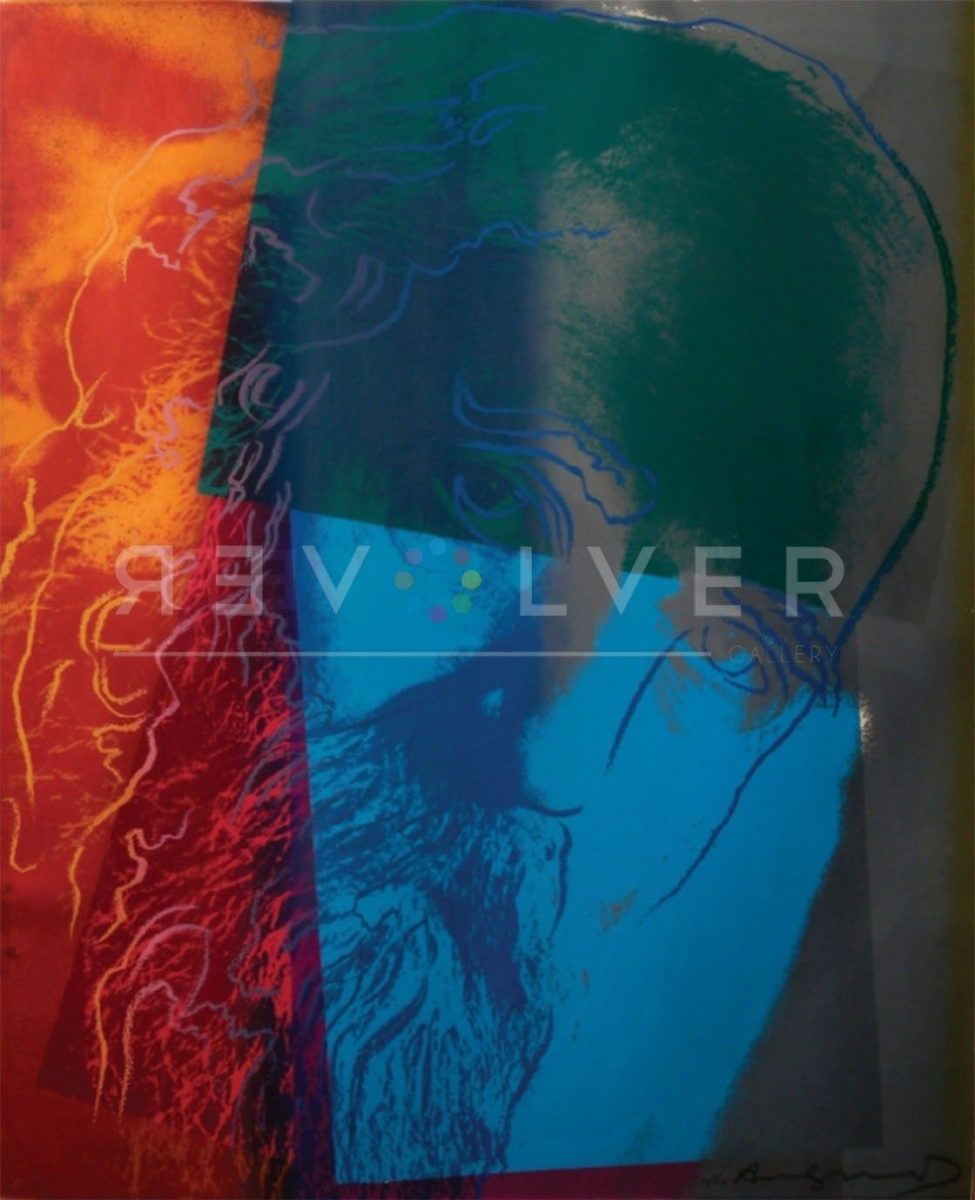
Warhol's signature on the martin buber 228 screenprint
Andy Warhol - Martin Buber F.S. II 228 TP wd jpg
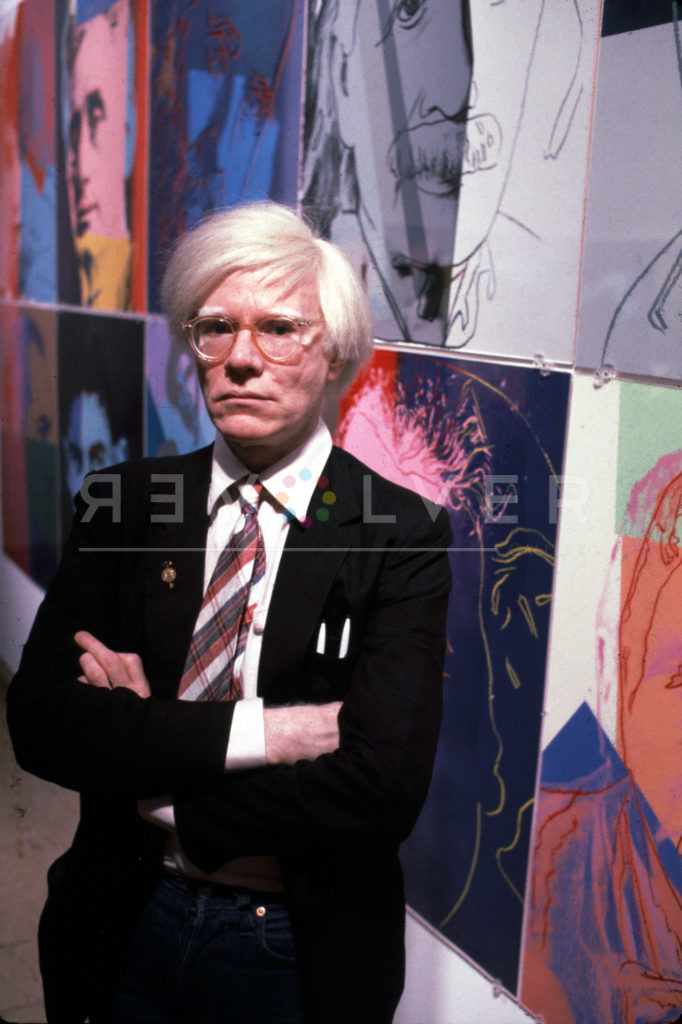
Warhol with various prints from his Ten Portraits of Jews of the Twentieth Century series. Kafka, George Gershwin, Golda Meir, etc.

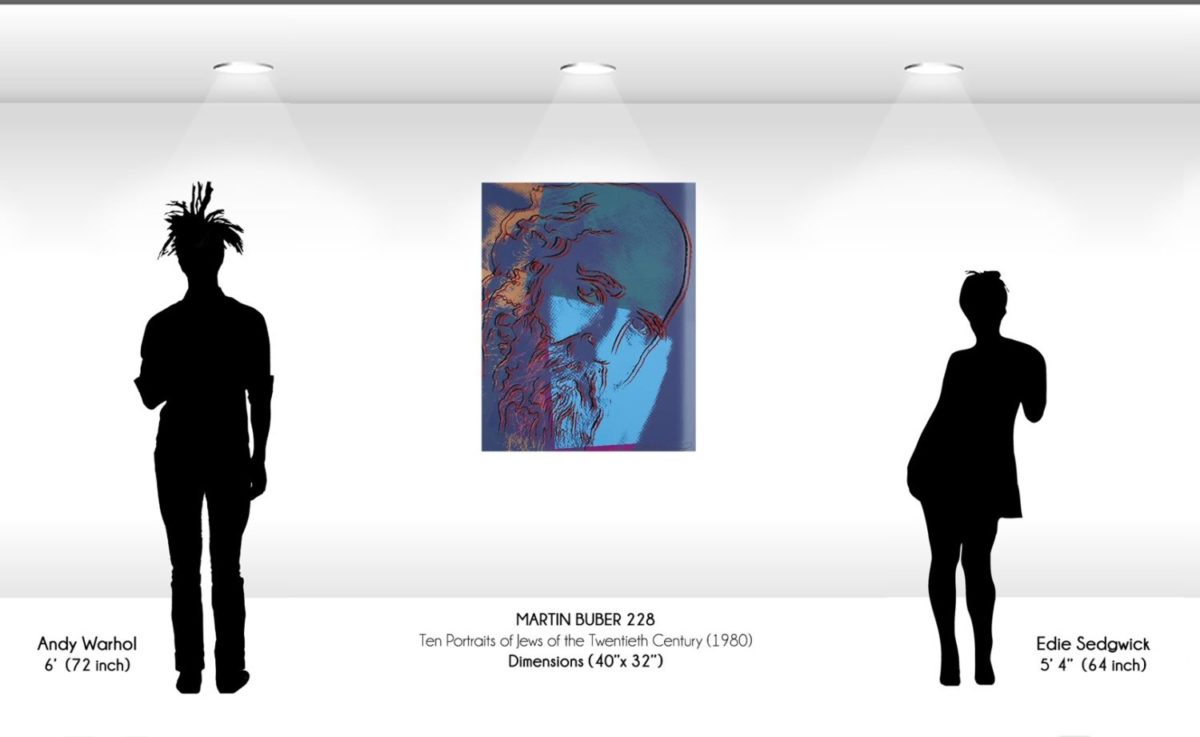
Martin Buber 228

Catalog Title: Martin Buber (FS II.228)
Year: 1980
Size: 40" x 32" | 101.6 x 81.3 cm.
Medium: Screenprint on Lenox Museum Board.
Edition: Edition of 200, 30 AP, 5 PP, 3 EP, 25 TP, signed and numbered in pencil.
Name(Required)
This field is hidden when viewing the form

Martin Buber 228 by Andy Warhol presents the philosopher in a brooding, contemplative pose. Warhol divides the composition into cool indigo and warm copper zones, which meet along the ridge of Buber’s forehead and beard. A wash of deep blue shadows the right side of his face. At the same time, red linear contours sharpen the expression around his eyes. These strokes trace the curves of Buber’s brow, cheeks, and flowing beard, giving the portrait a rhythmic intensity. Blocks of violet and slate introduce subtle collage effects, yet the gaze remains the focal point, drawing the viewer into the philosopher’s inward, searching mood.

Martin Buber 228 in the Ten Portraits Series

Martin Buber 228 is part of Warhol’s 1980 portfolio Ten Portraits of Jews of the Twentieth Century. The series emerged from his publisher’s request for a portfolio devoted to major Jewish cultural figures. Warhol responded with a group he referred to, half-jokingly and half-admiringly, as his “Jewish Geniuses.” Buber stood at the center of this pantheon. A major thinker of the twentieth century, he shaped modern philosophy through works such as I and Thou and through his reinterpretations of Hasidic folklore. Warhol approached Buber not as an academic figure but as an emblem of intellect and moral seriousness. As a result, the coloring gives the portrait an unusual depth compared to his brighter, more performative celebrity works.

Buber’s Legacy and Warhol’s Interpretation

Martin Buber (1878–1965) was a philosopher, educator, and cultural mediator whose influence extended far beyond Jewish thought. His writings on dialogue, ethics, and community shaped political and spiritual discourse in Europe and later contributed to early debates around the formation of Israel. Martin Buber 228 captures the thinker at an angle that heightens his introspective presence. Moreover, the interplay of color and contour suggests an internal struggle between light and shadow, thought and emotion. This tension aligns with Buber’s own philosophical concerns, particularly his insistence that truth arises in the space between individuals––in what he called the “I–Thou” encounter.

Martin Buber 228 in Warhol’s Larger Body of Work

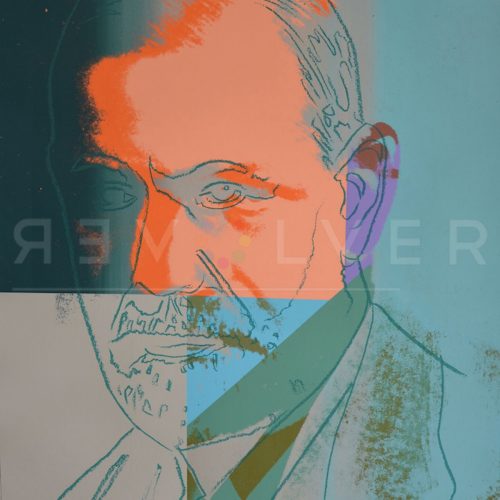
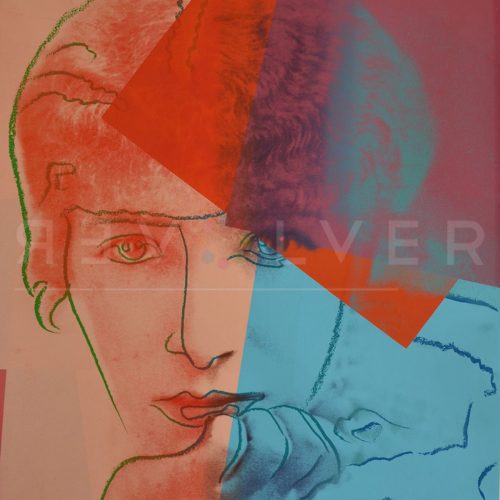
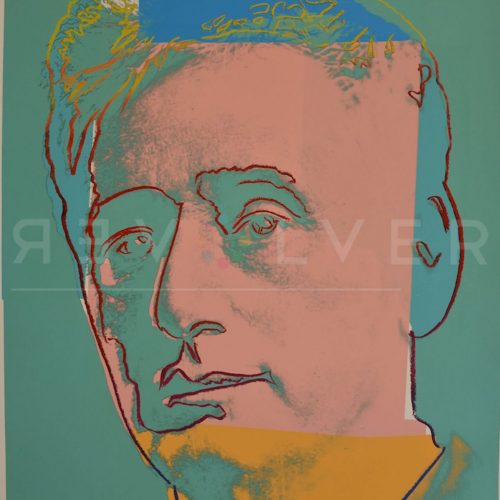
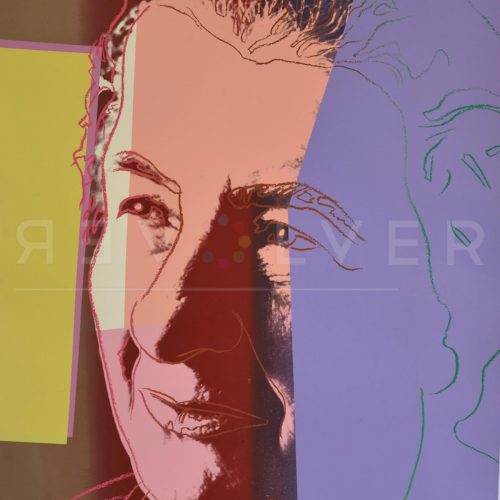
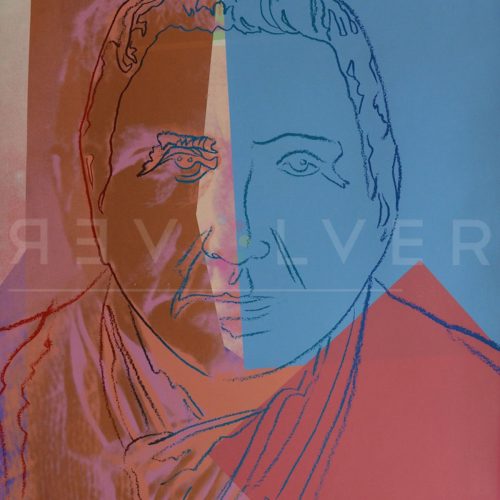
Seen alongside portraits of Sarah Bernhardt, Golda Meir, Sigmund Freud, Franz Kafka, and others in the Ten Portraits series, Martin Buber 228 reflects Warhol’s desire to memorialize figures whose ideas reshaped the modern world. Warhol reframed them as icons, using vivid color and sharp outlines to elevate intellectual achievement to the realm of Pop. Consequently, the series stands apart in his oeuvre, merging historical gravitas with his unmistakable graphic style.

Photo credit: Andy Warhol with works from the Ten Portraits series, December 15, 1980. Getty Images / Susan Greenwood / Liaison Agency.

Share this page:

Related Works