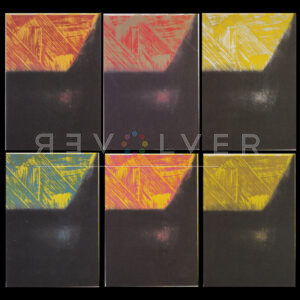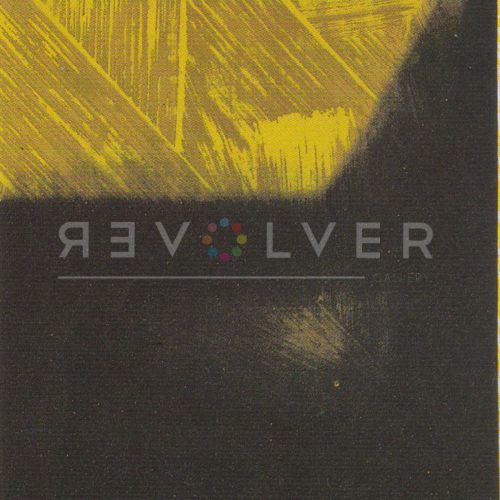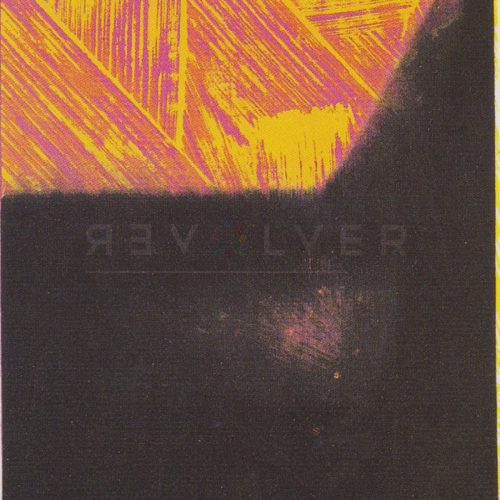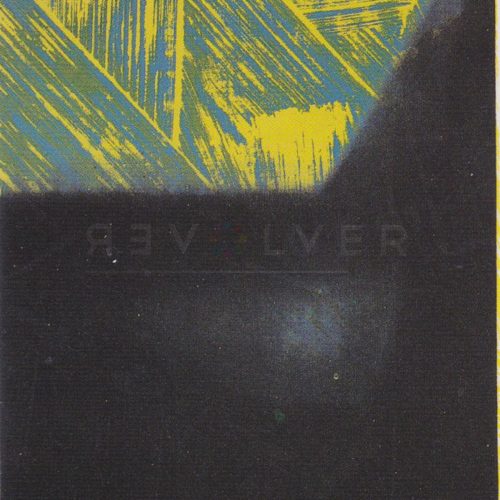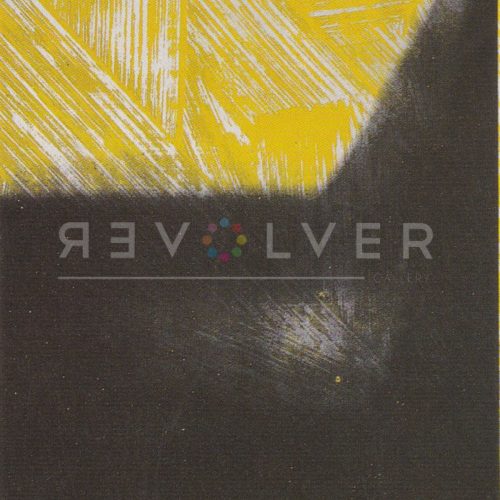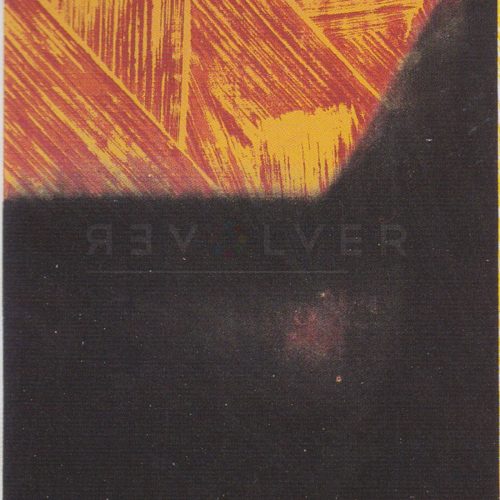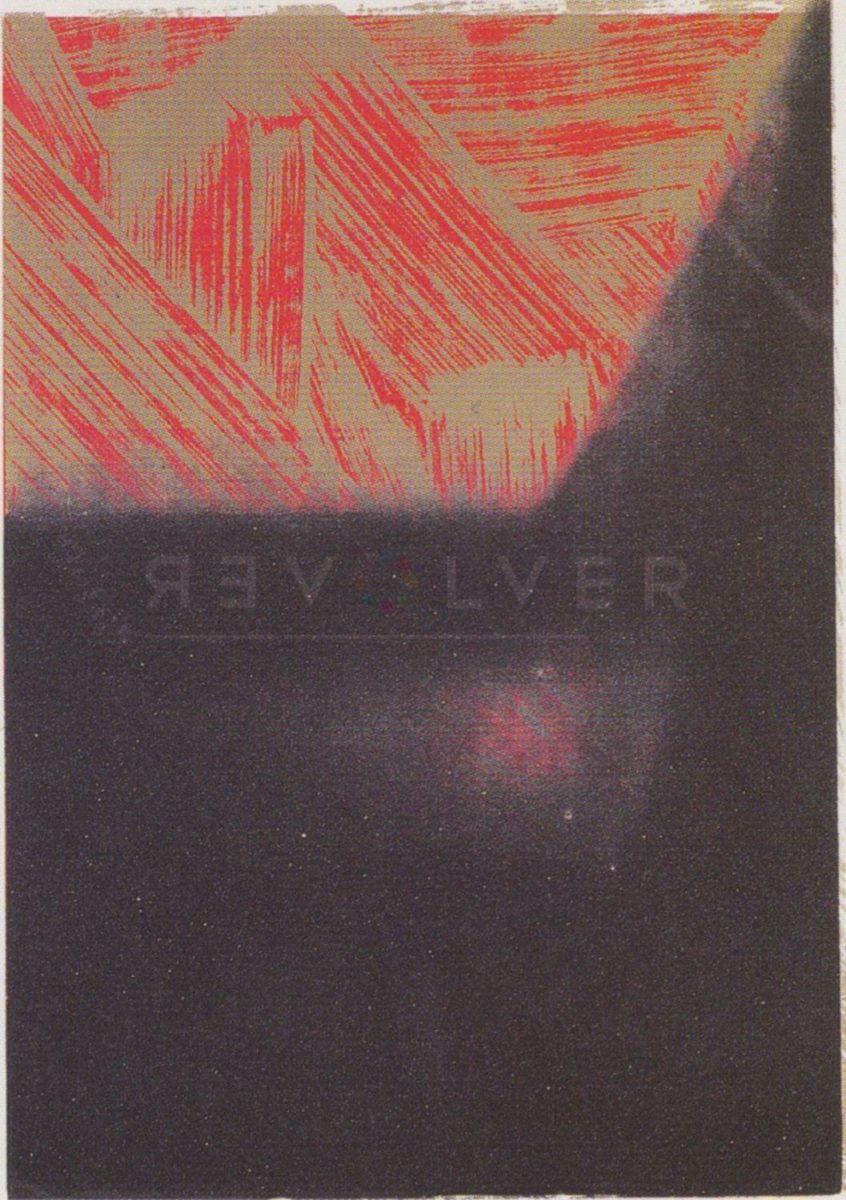
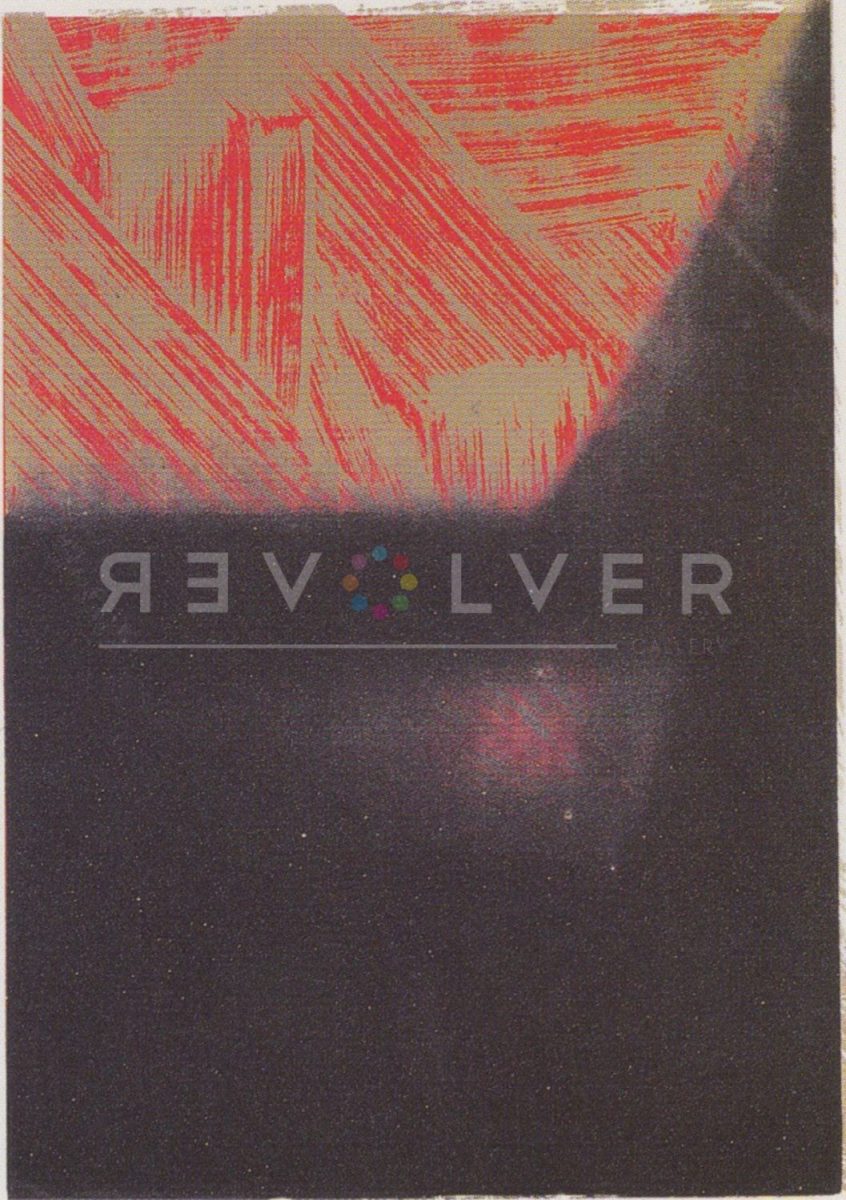
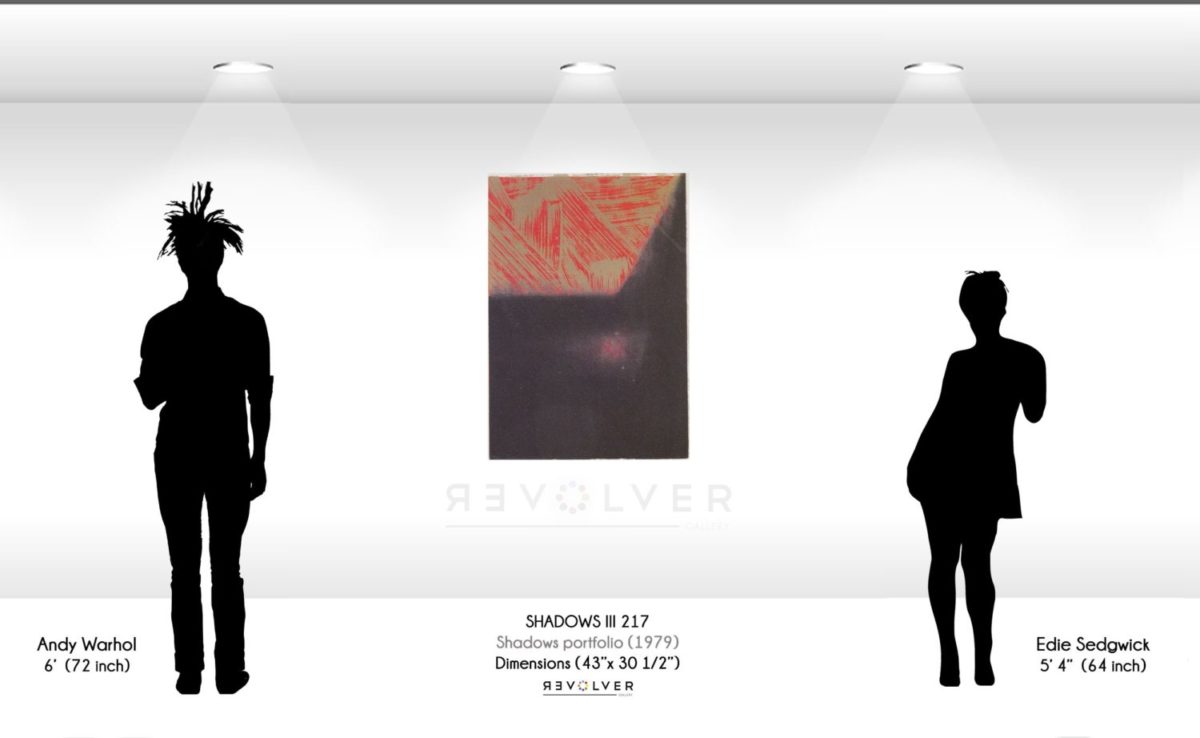
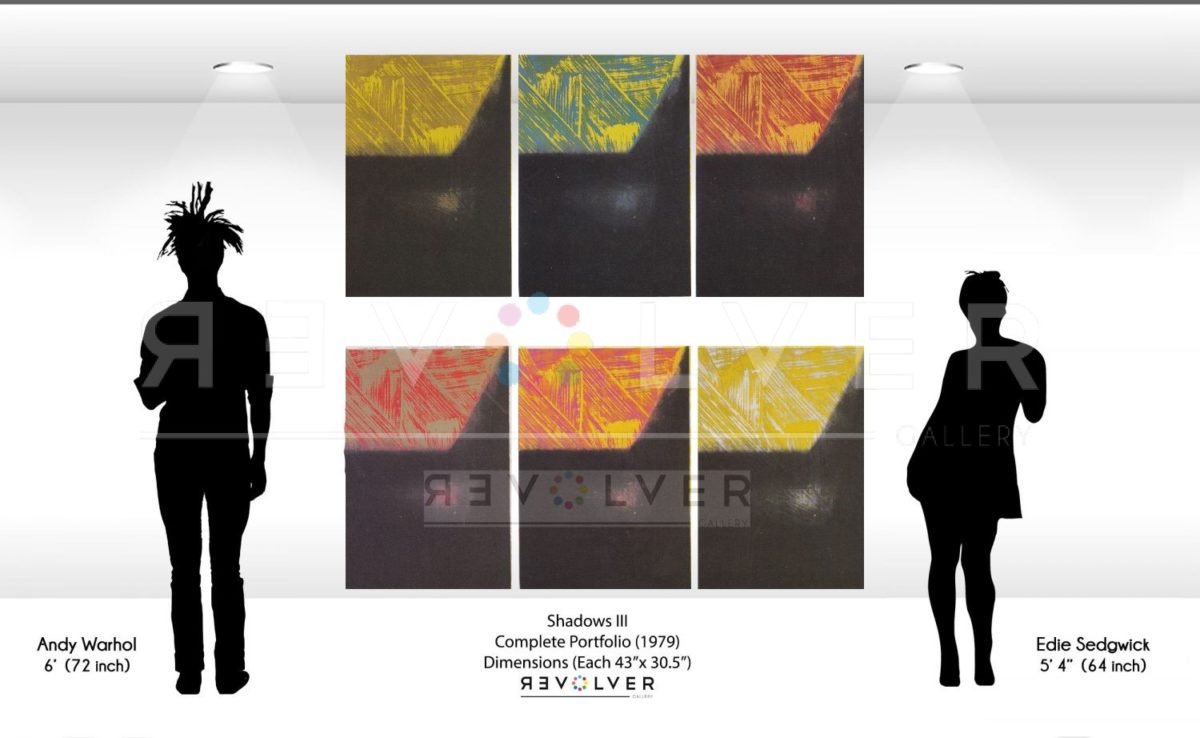
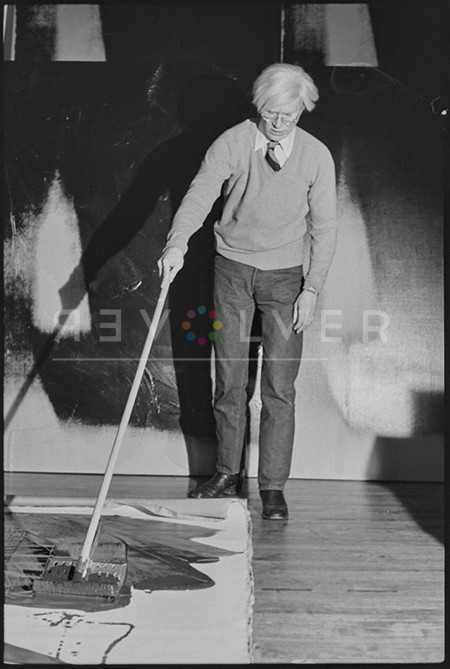
Shadows III 217 by Andy Warhol is one of six prints from his Shadows III portfolio, and a single piece of the larger 102-panel Shadows series of which this print is derived from. This piece is composed of red, gold, and black colors with large sponge mop strokes texturizing the lighter colors. Speaking about Shadows, Warhol said, “Someone asked me if I thought they were art and I said no…disco décor.” Playing on this idea, it seemed that Warhol felt as if this series was reminiscent of wallpaper more so than high art, which was exemplified when he later staged a fashion shoot with his Shadows series as the backdrop. He also said he dreamed of having the Shadows grace the walls of Studio 54. The pieces become even more appropriate for such a setting through Warhol’s incorporation of diamond dust, adding a sparkly charm to the prints.
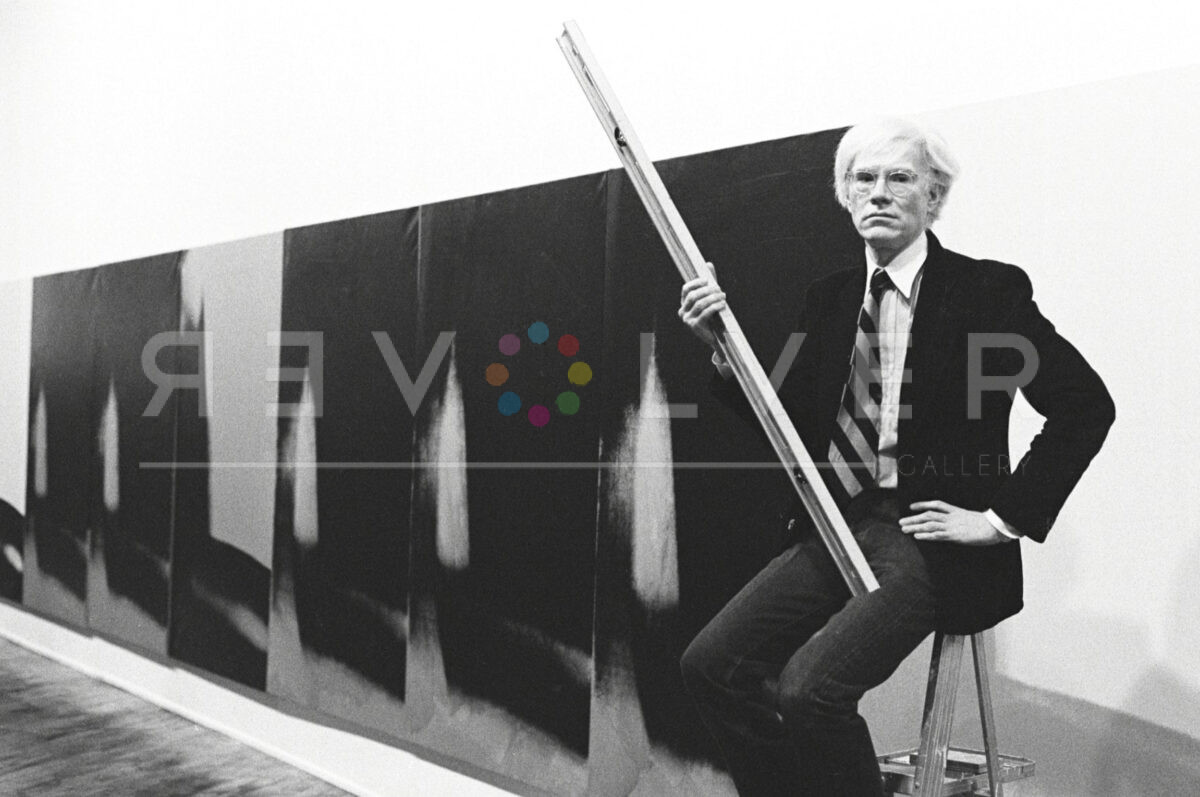
According to previous MOCA director Philippe Vergne, Warhol himself never saw all 102 panels of the Shadows series together. Moreover, Warhol left no instructions on the order in which to hang them and since the pieces are not numbered, they can be hung at random. Perhaps leaving room for play, he allowed viewers to have a new experience each time the panels are installed. This idea evokes a new concept, which is not seen in any of Warhol’s other works, as most of his pieces, although are made in a series, are meant to hang individually.
Although Shadows III 217 diverts from the traditional mass media objects that Warhol famously created, the series illustrates his interest in creating works that all bear the same compositional aspects, yet are still able to hold onto their individual uniqueness. Shadows III 217 incorporates diamond dust, adding a sparkling effect to the print and making the series even more appropriate to hang on the walls at a disco club.
Shadows III 217 was created within the last decade of Warhol’s life and lends well to the artist’s range of interests and strengths. Warhol was very interested in repetition in his portfolios, but also aimed to maintain a sense of uniqueness in each piece. This is very apparent in his Shadow III series as each print has similar compositional aspects, yet all have different colors and patterns that make each unique and allow them to compliment one another.
Photo credits:
- Arthur Tress, Andy Warhol, 1979. Image: © Arthur Tress, © Courtesy Dia Art Foundation, New York, Artwork © 2021 The Andy Warhol Foundation for the Visual Arts, Inc. / Artists Rights Society (ARS), New York.
- Warhol priming Shadow paintings, 1979. Image and Artwork: © 2021 The Andy Warhol Foundation for the Visual Arts, Inc. / Artists Rights Society (ARS), New York.