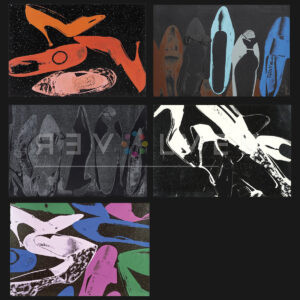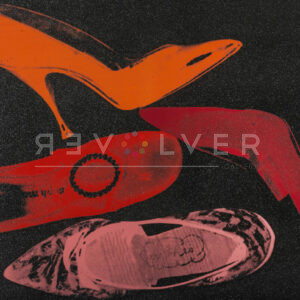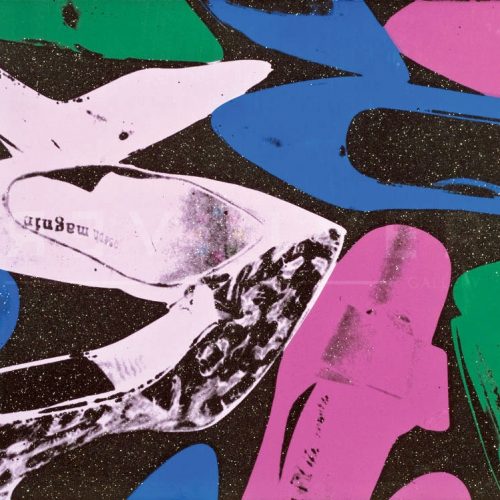
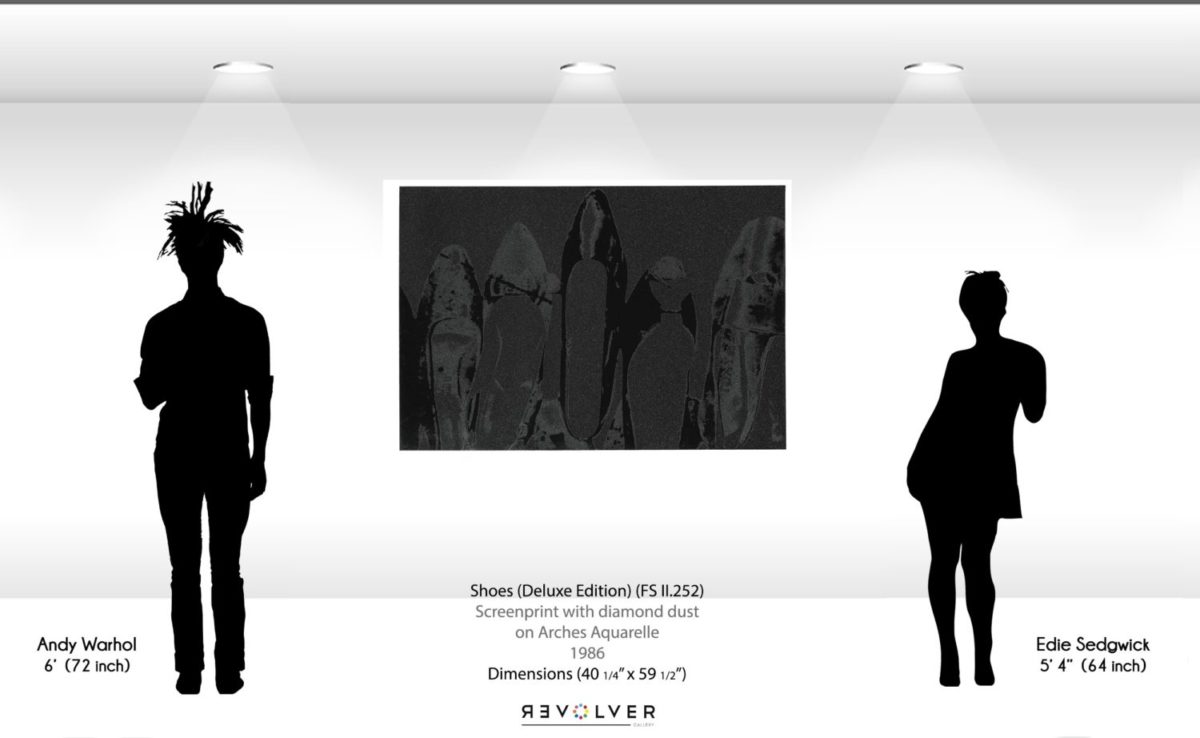
Shoes 252 is a screenprint by Andy Warhol from the artist’s spectacular Shoes (Deluxe) series. Long before the Campbell’s Soup cans and the Marilyns, Warhol harbored a fascination for shoes. The simple object played a large role in his early career, as seen in his commercial shoe drawings. His interest in footwear was intensely intimate, and reflective of his embrace of all things American; in this case, the display windows that seductively presented colorful stilettos to the aspiring artist when he first arrived in New York City.
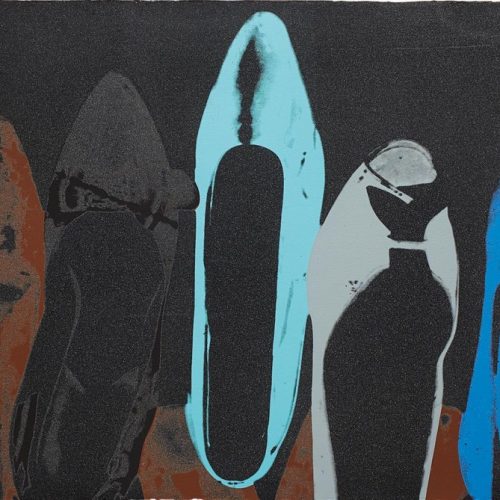
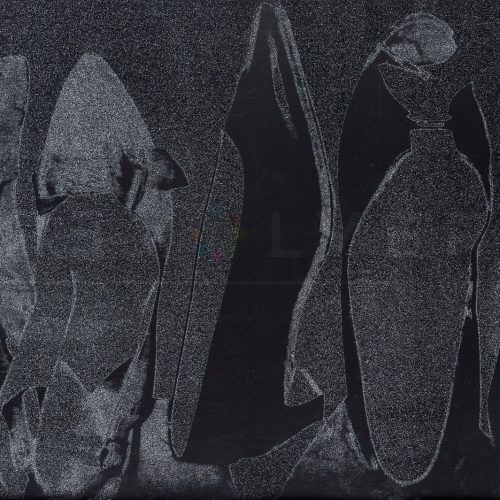
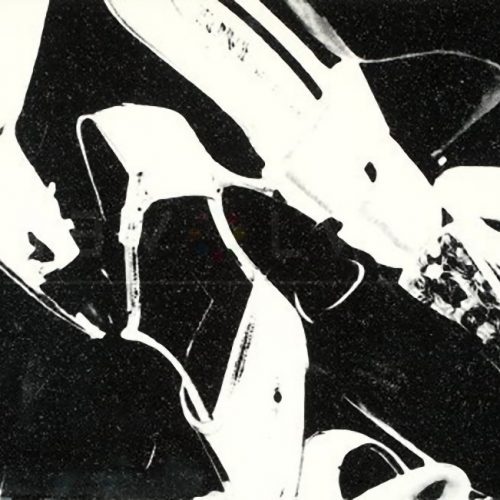
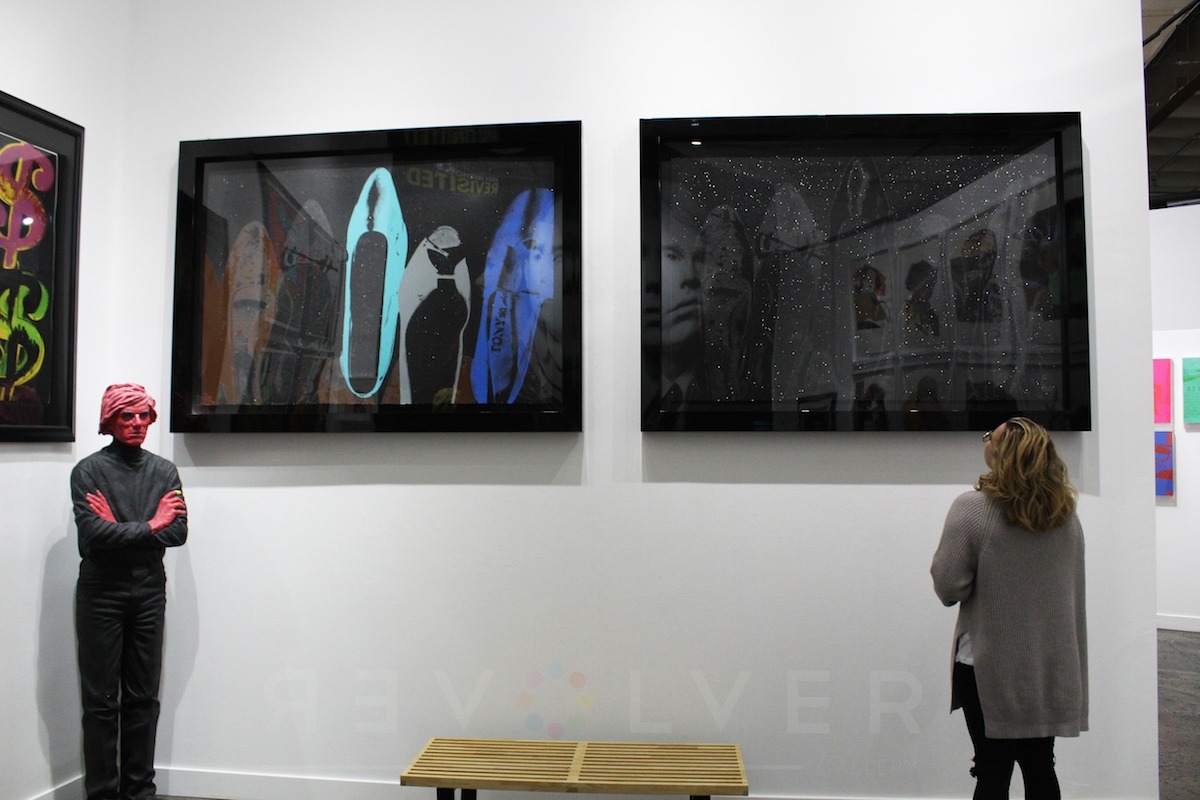
Shoes 252 exerts an aura of controlled chaos that we can all appreciate in a fashion context. Warhol created the Shoes 252 print with diamond dust, a byproduct of industrial grade diamonds. Rupert Jansen Smith, artist and Warhol’s principal printmaker, created various prints with “diamond dust” made from industrial grade stones. Warhol, however, thought the material was too difficult to work with, and instead chose to use pulverized glass. In Shoes 252, Warhol invites us to see that shoes are objects in hiding; made clear by the appearance of the shoes hiding under dimly lit glitter. In the darker prints, the shoes look like they’ve been placed in some secret area such as a drawer or under a bed. Perhaps Shoes 252 comments on the commercialization of intimacy and its association with femininity and high fashion.
Andy Warhol’s 1980 Shoes portfolio brings an idea from his career as a commercial artist back into the spotlight at the peak of his career. Each of the prints depict scattered shoes or high heels. Although some of them are wildly different from each other in their emotional and aesthetic qualities, they all stem from Warhol’s trademark approach to repetition. One comes away from the Shoes portfolio either feeling that they have been let in on some great secret about shoes, or that they have been betrayed about the possibility of a shoe being meaningful at all. Whereas Warhol’s more colorful Shoes prints display a more typical pop art approach, the darker prints such as Shoes 252 and 255 evoke a sensual and mysterious approach to footwear.
Some say Warhol was forced to tone down the more personal aspects of his work at the beginning of his career, partly due to homophobia and pretension in the art world. This extended to his shoe fetishism by default. As such, Shoes 252 holds a special place in Warhol’s oeuvre. Ultimately, it is the perfect combination of prideful ambition, commercial opportunism, and the thoughtful reflection that characterizes Warhol’s art and influence.
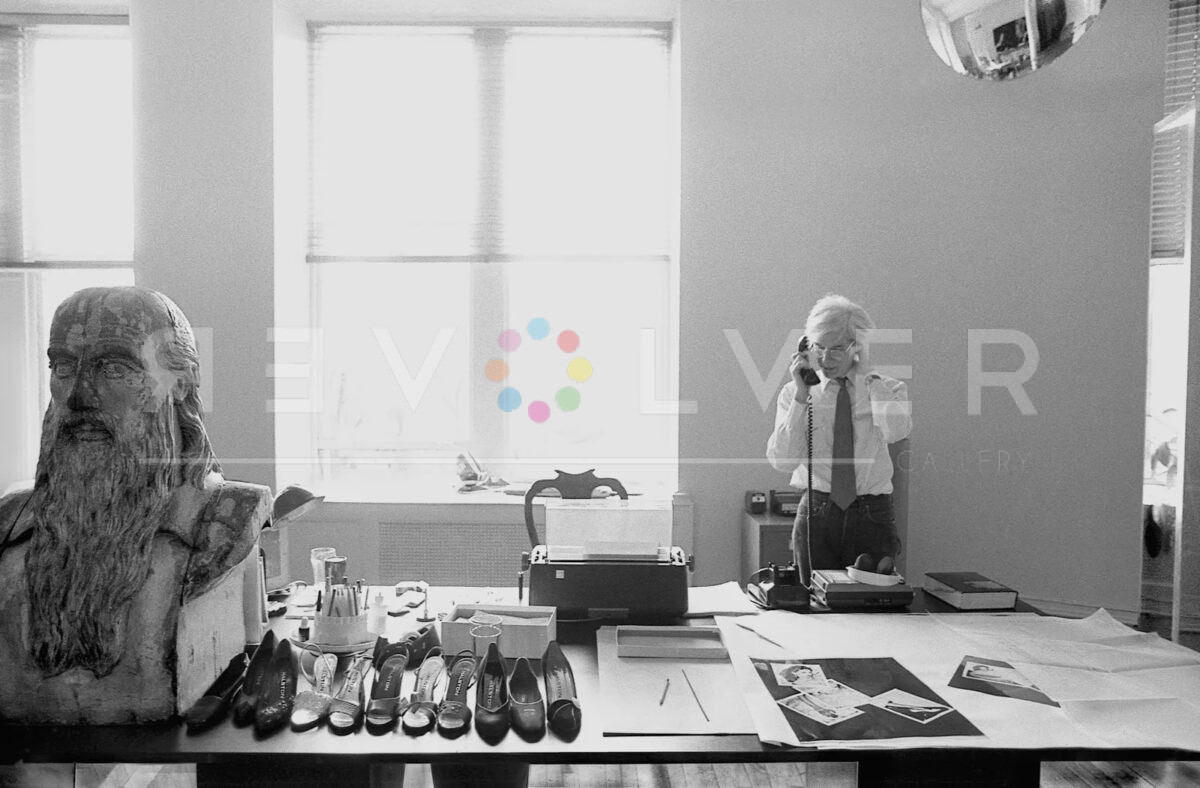
Photo credit: Andy Warhol Leonardo Bust, Halston Shoes 1981, Printed Photograph by Robert Levin. Courtesy of the Maison Gerard, New York.