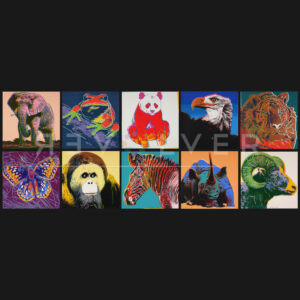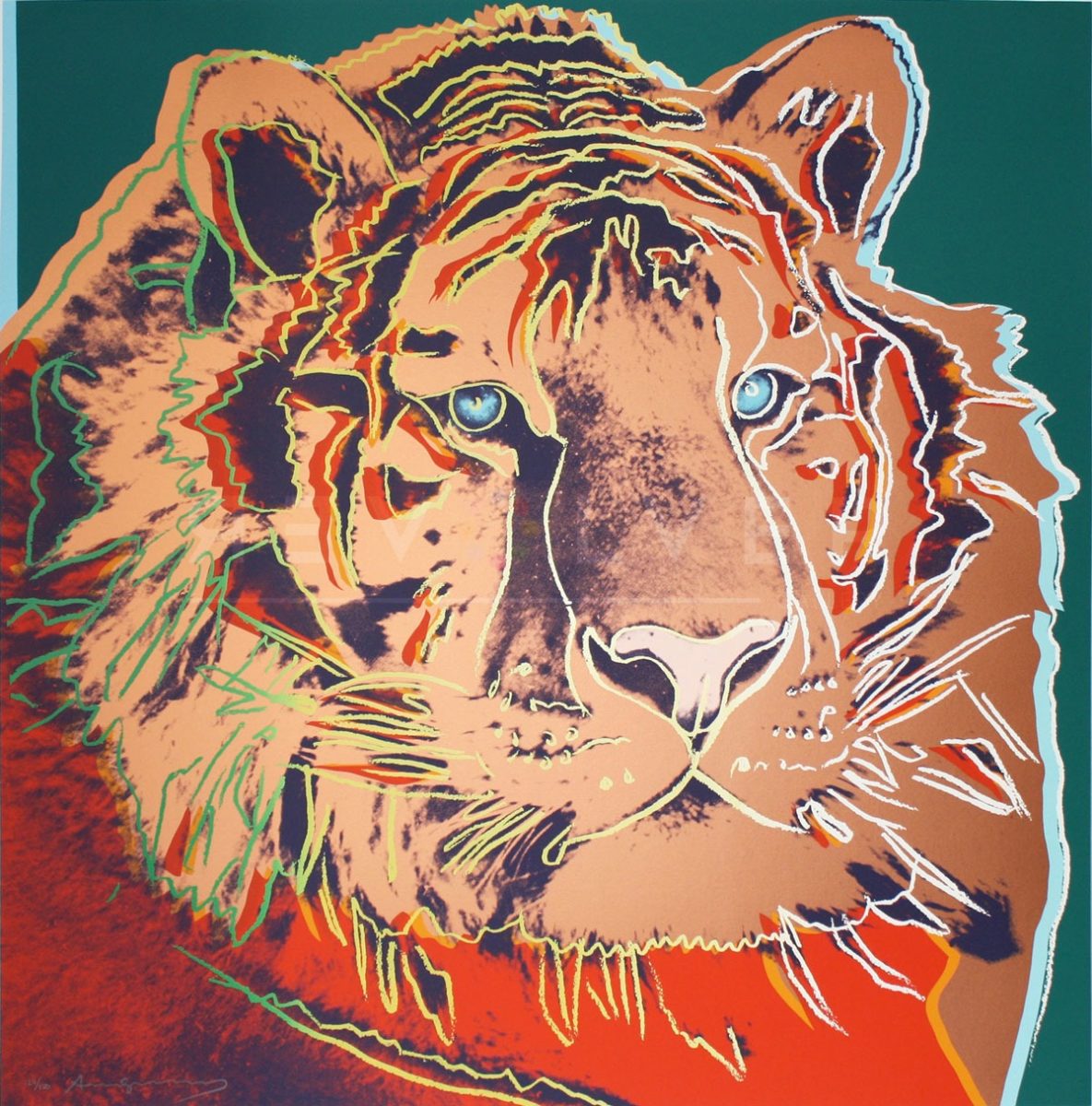

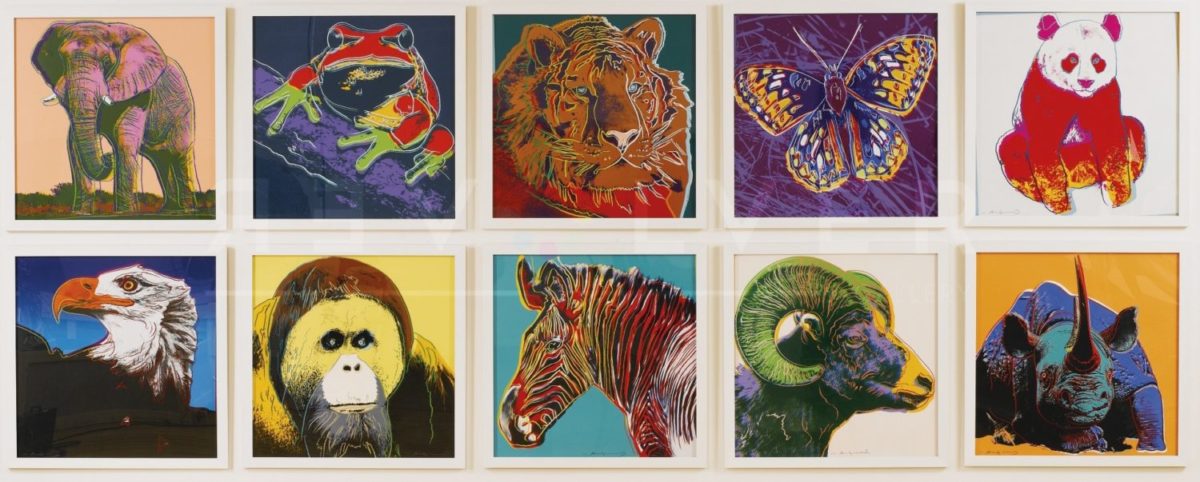

Siberian Tiger 297 by Andy Warhol is a screenprint from the artist’s 1983 Endangered Species complete portfolio. As its name would suggest, it depicts the Siberian Tiger, one population of the Panthera tigris tigris subspecies. It is indigenous to portions of Russia but also northeastern China. It was chosen as a subject due to its endangered status at the time, which it still holds, facing dwindling numbers even after concerted conservation efforts. Currently, possibly fewer than one thousand Siberian tigers may exist. Warhol created his portraiture of the Siberian tiger after conversations with art dealer Ronald Feldman and wife Frayda Feldman led to a portfolio commission with the goal of giving exposure to animals in danger of extinction. The idea and distinction of endangered animals had only been legally recognized in the U.S. ten years prior to the series’ publication, with the passing of the Endangered Species Act.
Ronald Feldman and wife Frayda Feldman are well known for their environmental activism. Ronald Feldman also commissioned Andy Warhol’s Ads and Myths series, some of his greatest works from the 1980s.
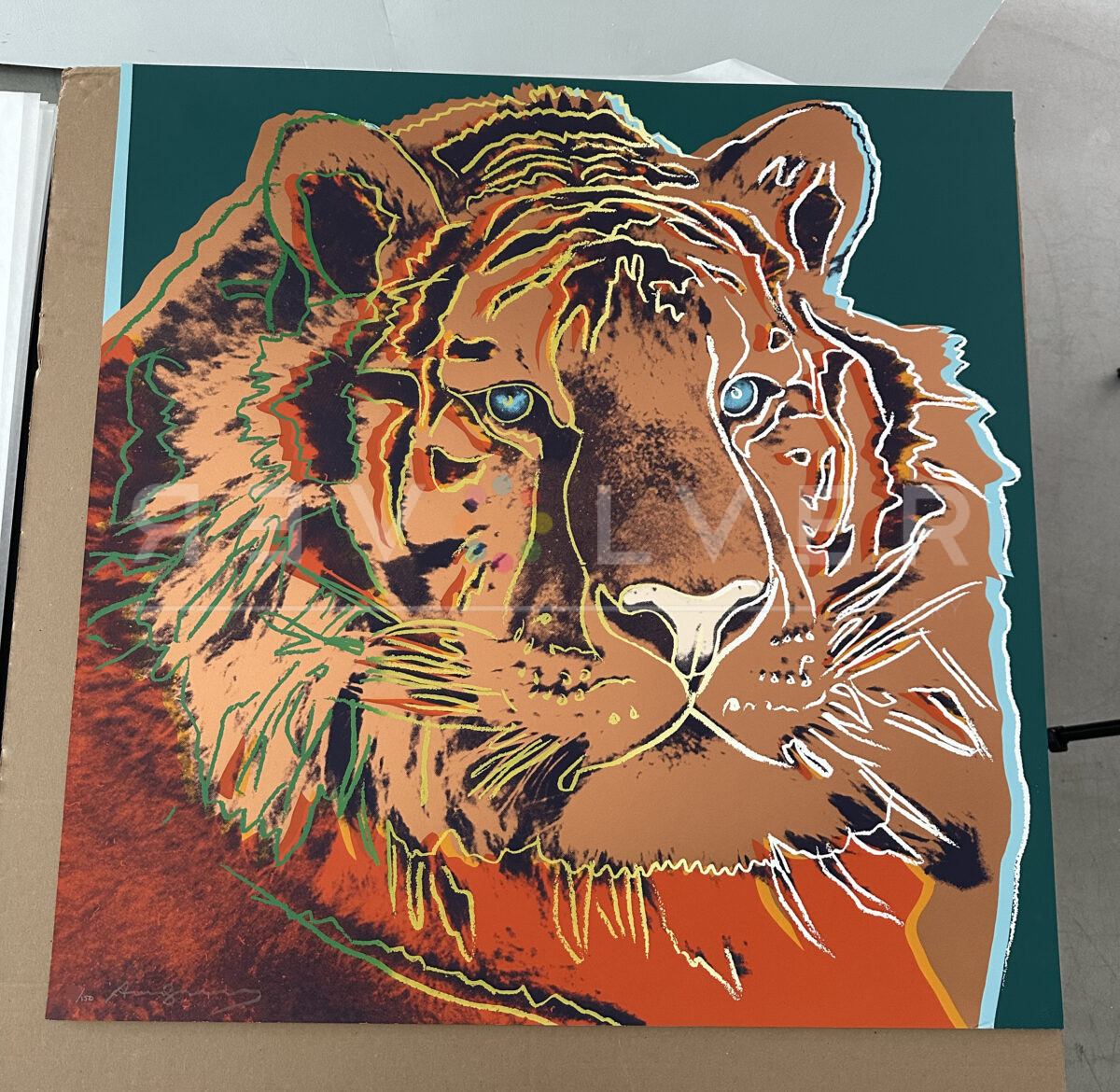
Siberian Tiger 297 may be the most adventurous of the series in terms of color. Upon initial viewing, it might even seem cluttered, as many ideas are being tried at once. However, this also makes the piece particularly memorable. For instance, the background, colored an ironically named “eagle green,” doesn’t fully fulfill its role. At the left margin and the left side of the tiger, it abruptly recedes to reveal thick lines of baby blue, giving the effect of the tiger breaking out of its environment. The tiger looks on in curiosity, wearing a slightly washed-out orange, probably not far away from its actual fur color. Its dark stripes are paralleled in red shapes that mirror them. That same red sits at the bottom of the frame, separating the rest of the tiger’s body from his head and mane. Furthermore, it’s outlined by Warhol’s hand drawn outline, typical of his work from the period. What starts out white on the right, gradually becomes a pastel yellow, and then eventually, a green, providing an interesting contrast with the aforementioned red and light orange. This is all pulled together by the tiger’s pearlescent blue eyes, making it hard to look away.
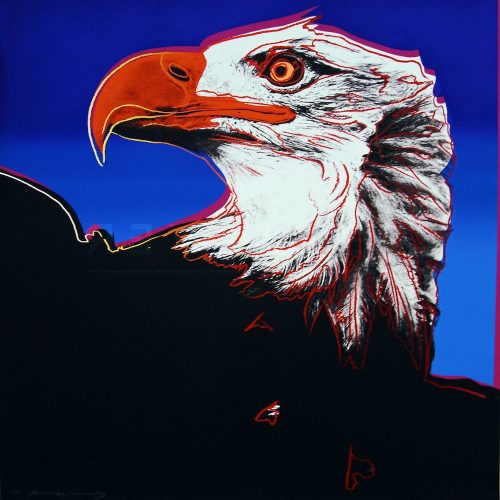
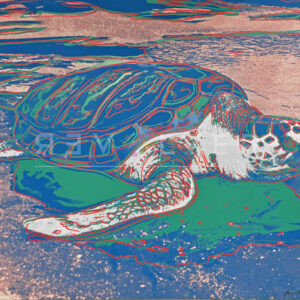
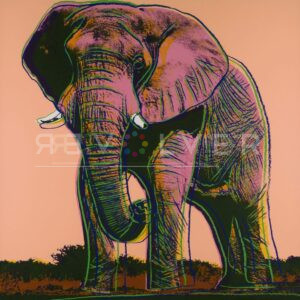
Andy Warhol’s Siberian Tiger 297 has grown drastically in popularity in 2021, along with the Endangered Species series itself, which includes works like San Francisco Silverspot and African Elephant. The series is certainly one of Warhol’s most beloved creations, desired by even the most discerning collectors.
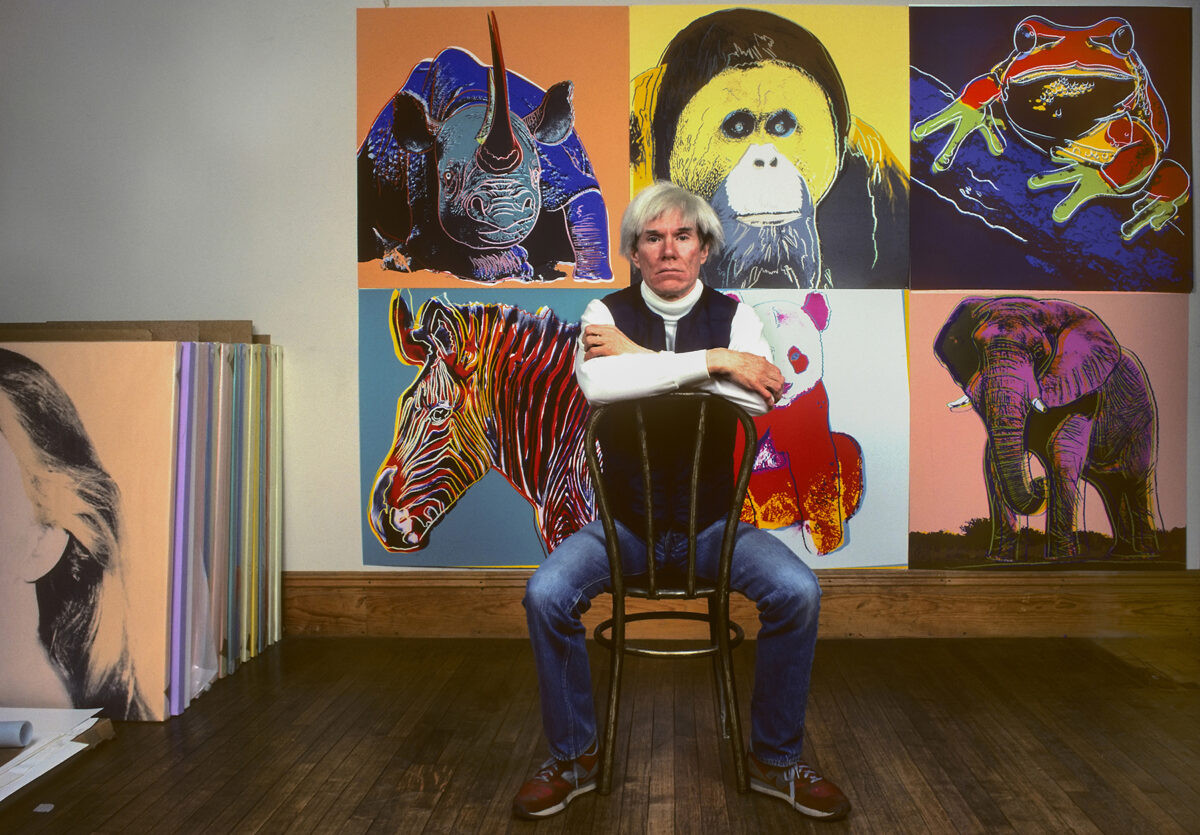
Photograph of Warhol with Endangered Species screen prints taken by Brownie Harris, 1982, The Factory, NYC.