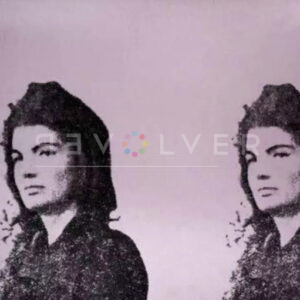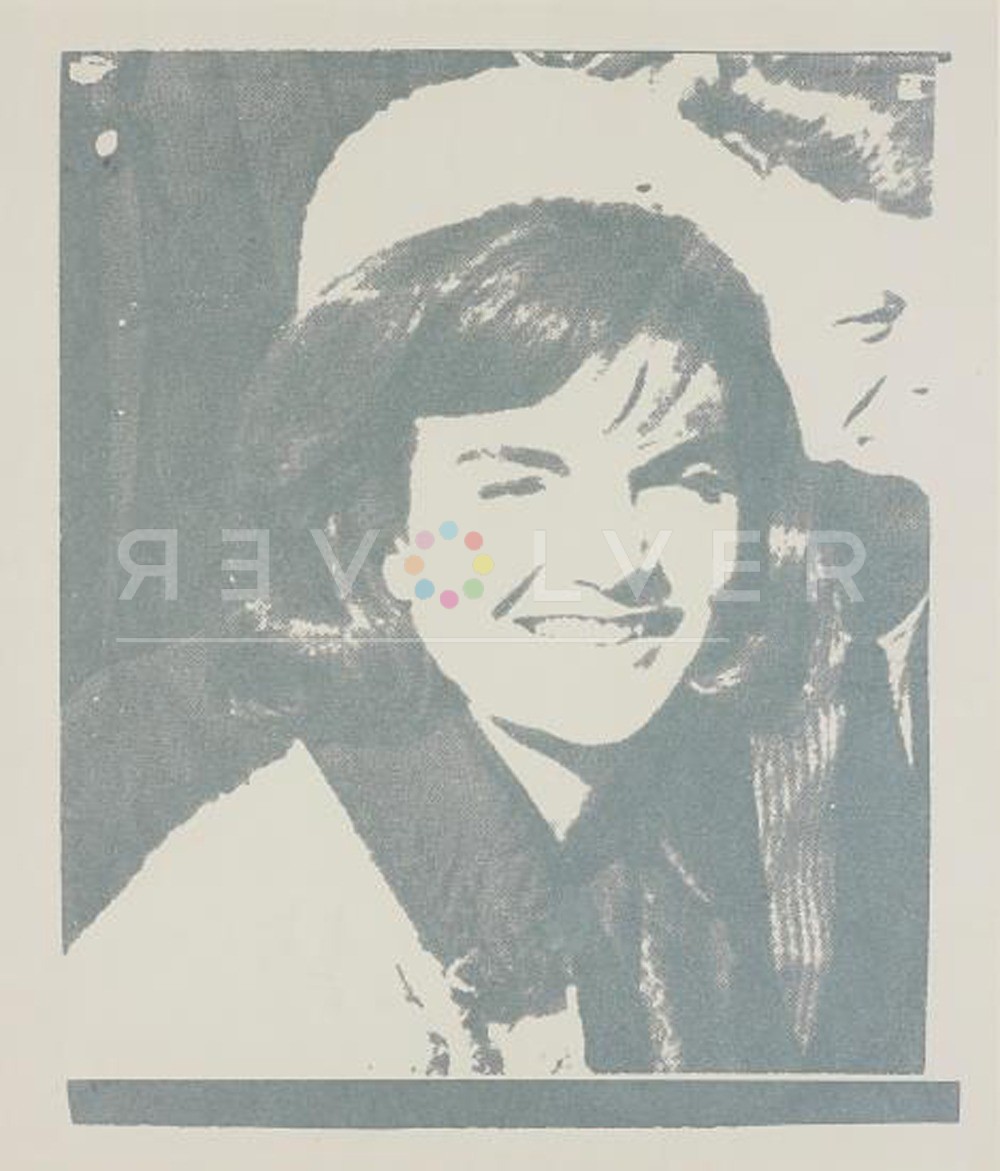
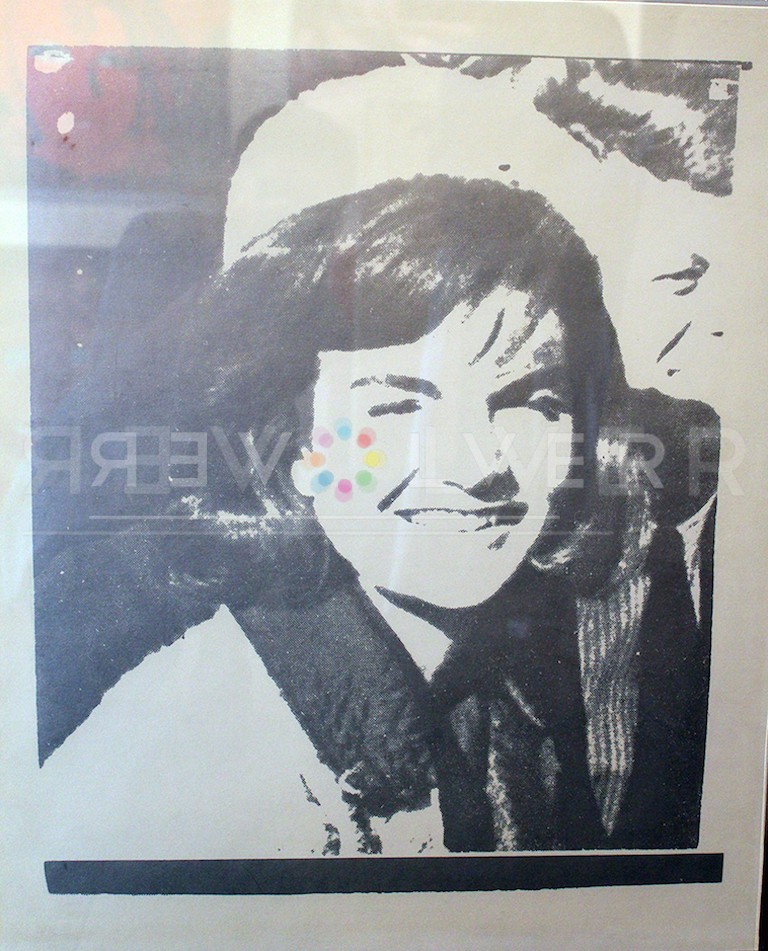
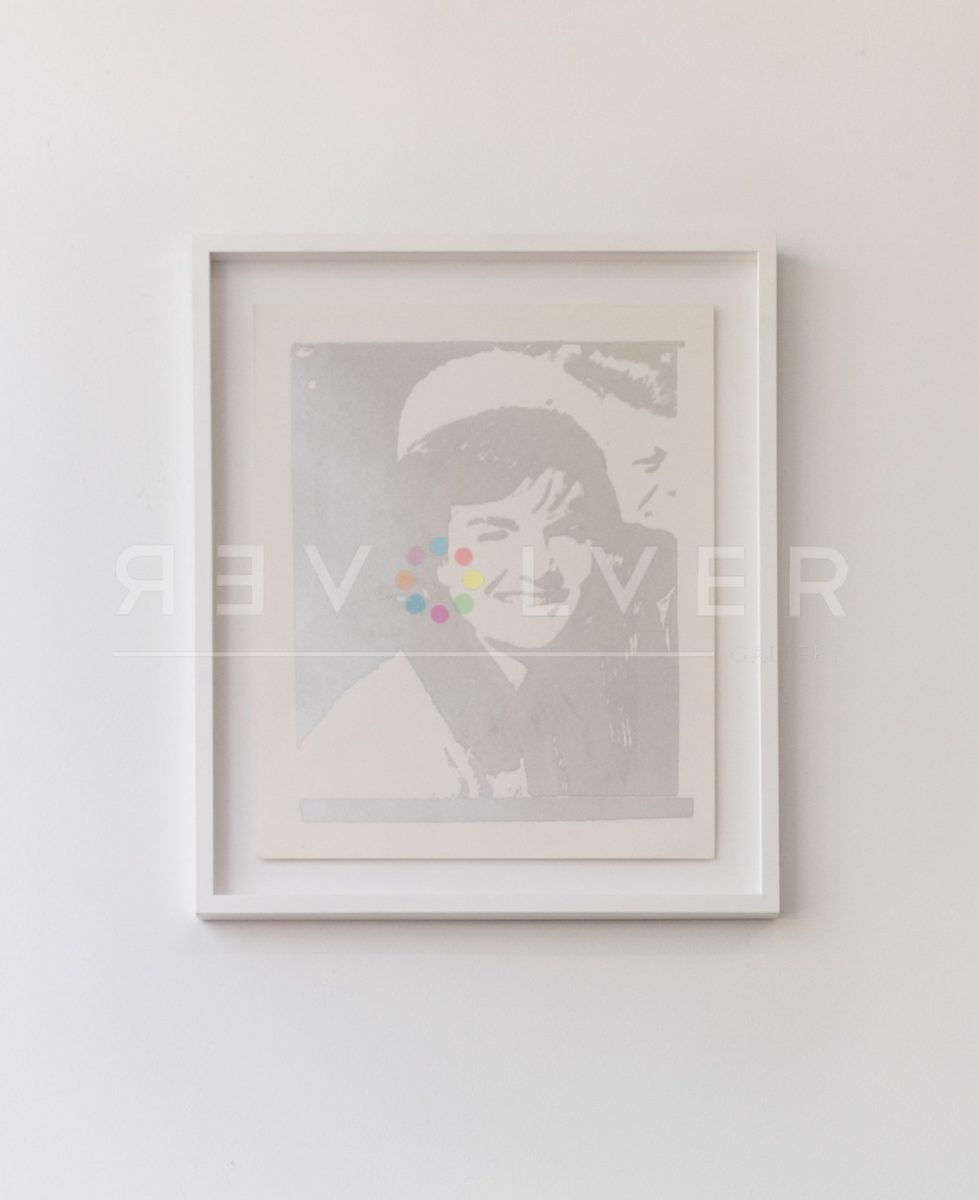
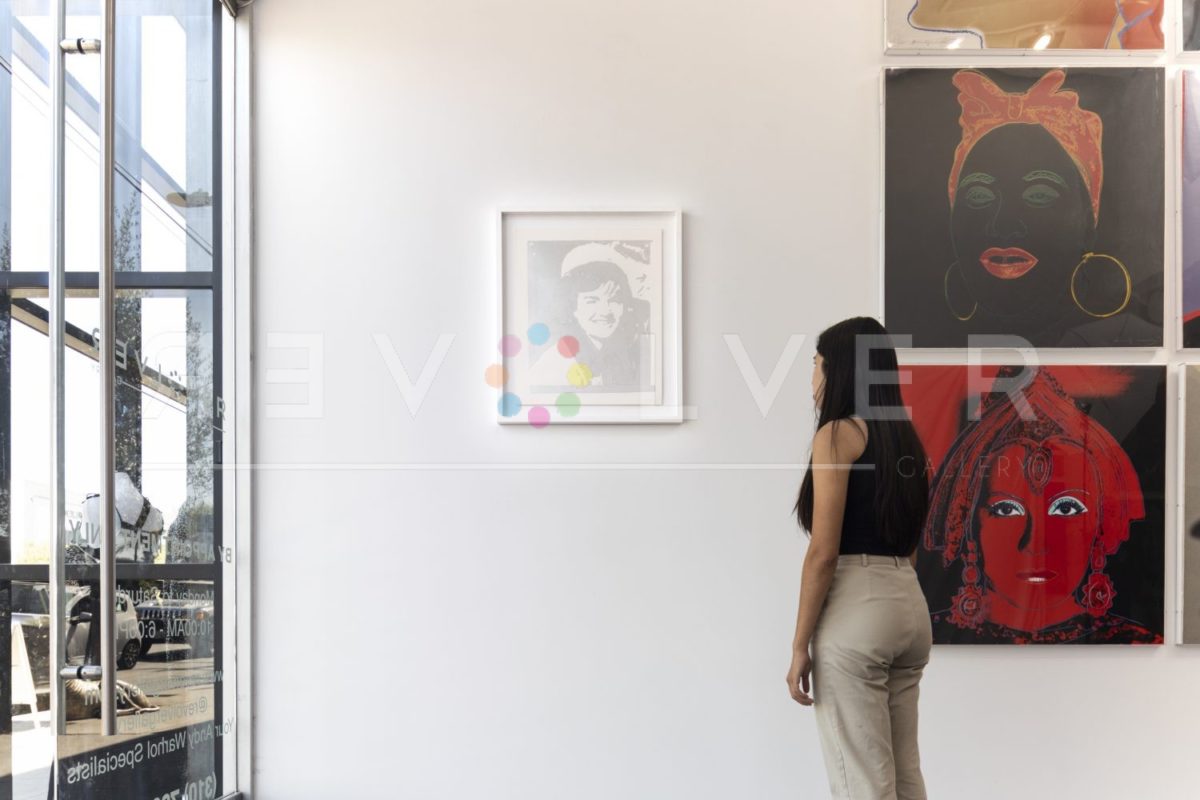
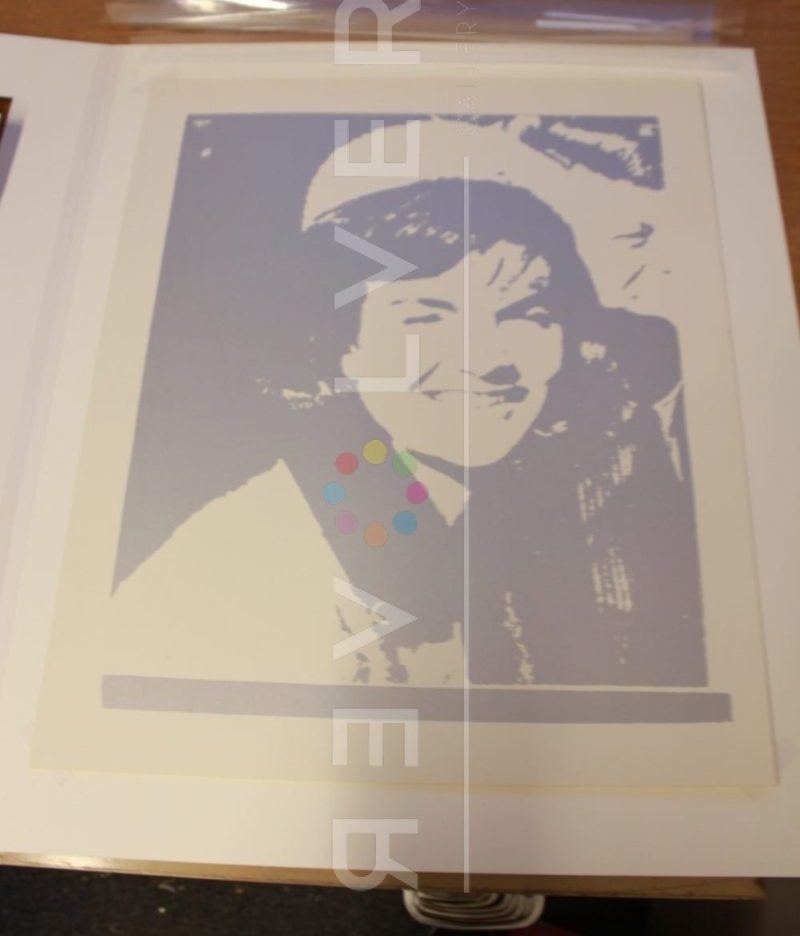
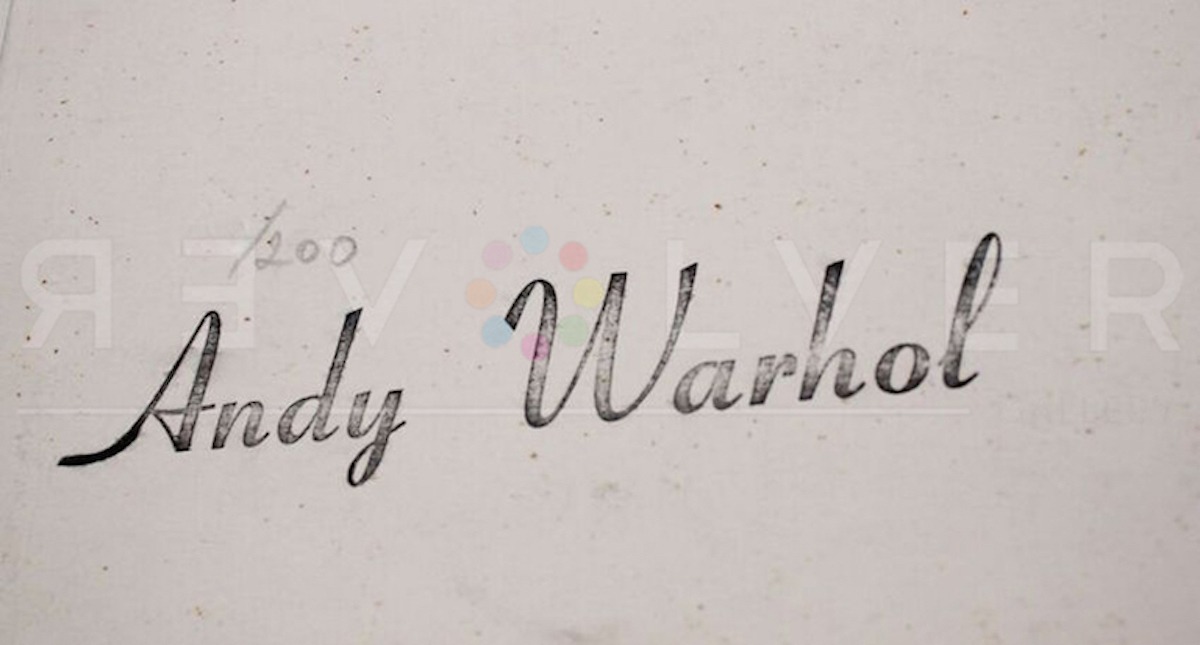
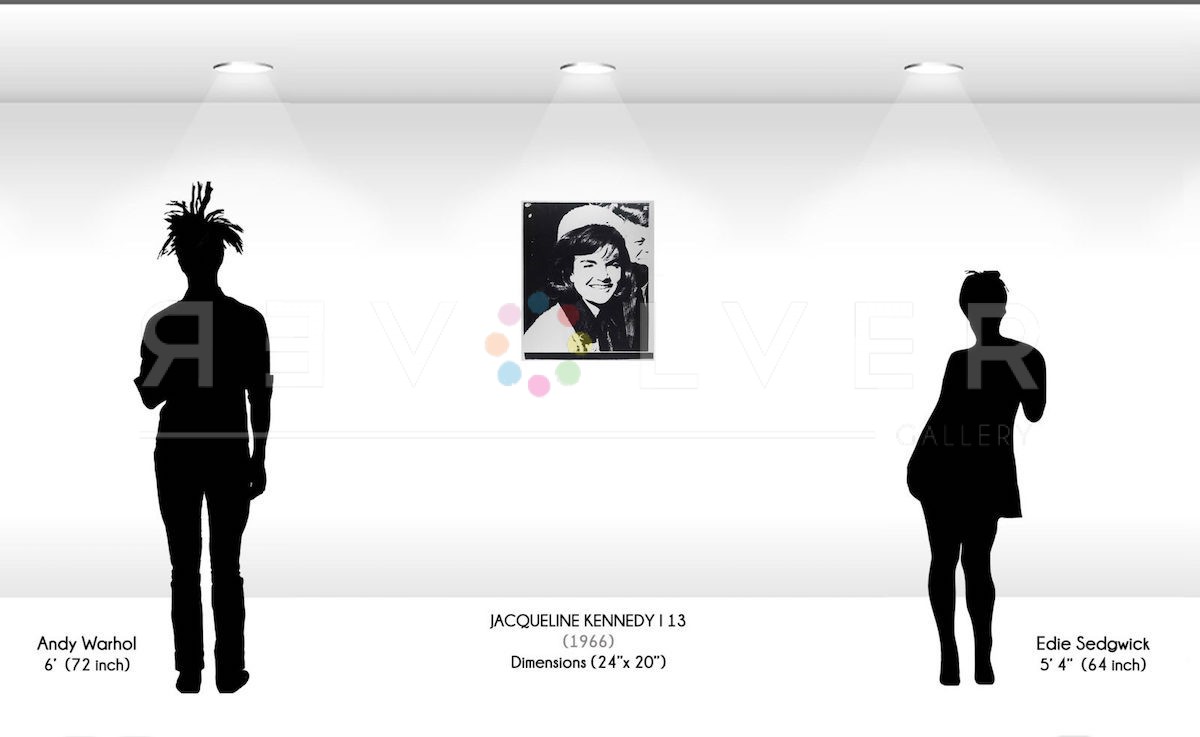
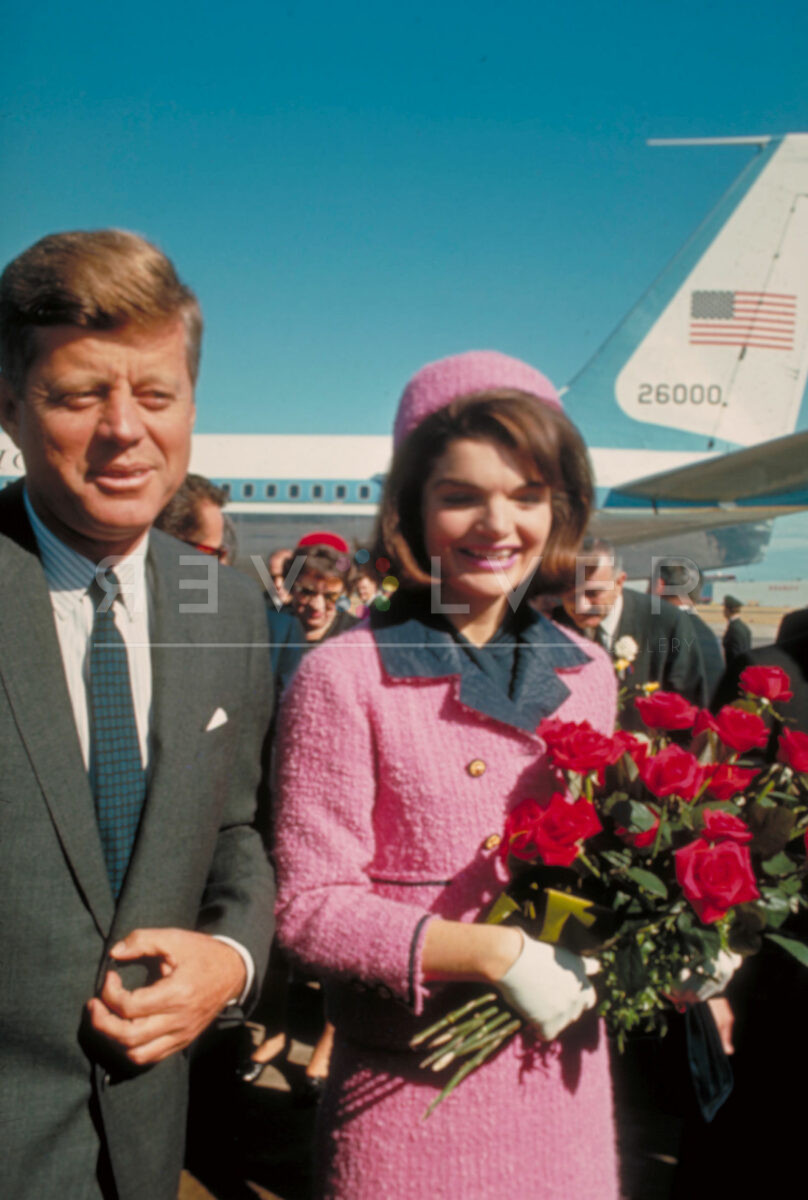
Jacqueline Kennedy I (Jackie I) 13 by Andy Warhol is a single portrait of the iconic former first lady and wife of President John F. Kennedy. This print was based on a photograph that came from the December 6, 1963 edition of Life magazine, which featured images from President JFK’s assassination and funeral. Warhol used the images of Jackie Kennedy, who was iconic in her own right, to create several different pieces. This image shows Jackie smiling, in her classic pillbox hat, sitting next to JFK just before his shocking death. The Jackie I print was part of a portfolio entitled 11 Pop Artists I, which featured some of the most famous names and works of the Pop Art movement. Other artists featured in the portfolio were Allan D’Arcangelo, Jim Dine, Allen Jones, Gerald Laing, Roy Lichtenstein, Tom Phillips, Mel Ramos, James Rosenquist, John Wesley, and Tom Wesselmann.
During her time as First Lady, Jackie Kennedy became an American darling through her advocacy for the arts and historical preservation (all while impeccably dressed). The tragic assassination of her husband transformed Jackie into a quasi-religious figure in the eyes of the public, a Mother of Courage whose indomitable spirit compelled her to continue her charitable work as well as pursue the preservation of President Kennedy’s legacy. As an emblem of grace, beauty, and Americanism, Jacqueline Kennedy’s interest as a Warholian muse is an obvious choice. However, the Jackie portfolio contrasts in style with the depictions of Warhol’s other celebrity portraits, rendered in vibrant hues and outlined with bold, comic book-inspired lines. The Jackie prints are muted, mirroring closely the newspaper clippings from which Warhol appropriated her image–images taken on historic days, and some of the worst days of Jacqueline’s life. Warhol’s choices highlighted his connection to Jackie as a tragic figure and his fascination with death and tragedy, likening the Jaqueline Kennedy portfolio to works of his Death and Disaster collection like Silver Car Crash, Ambulance Disaster, or his later Electric Chair pieces.
Jackie II and Jackie III are similar screenprints from Warhol’s depictions of Jacqueline Kennedy.
Photo credit: Jacqueline Kennedy with President John F. Kennedy, on the day of his assassination, November 22, 1963, in Dallas, Texas. Courtesy of Town & Country Magazine.