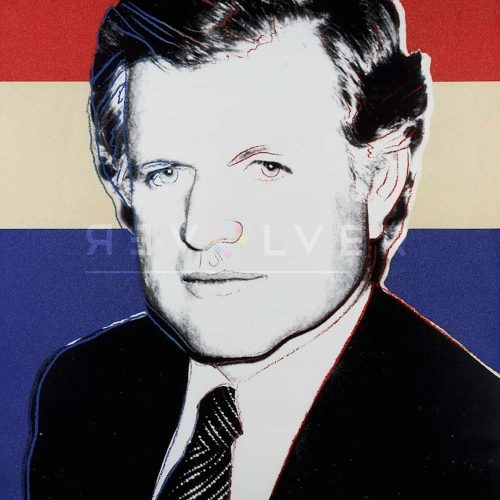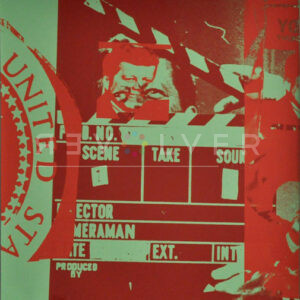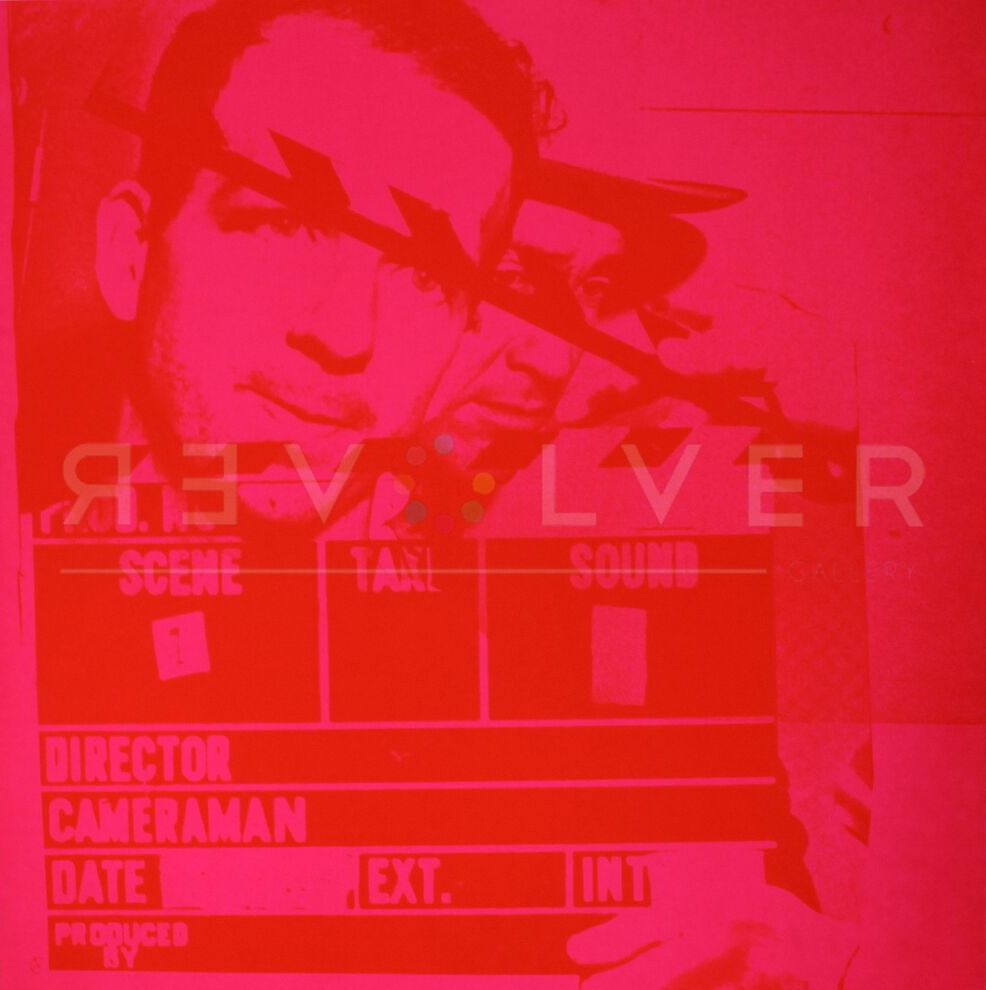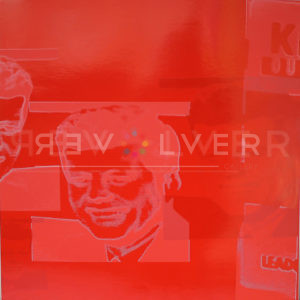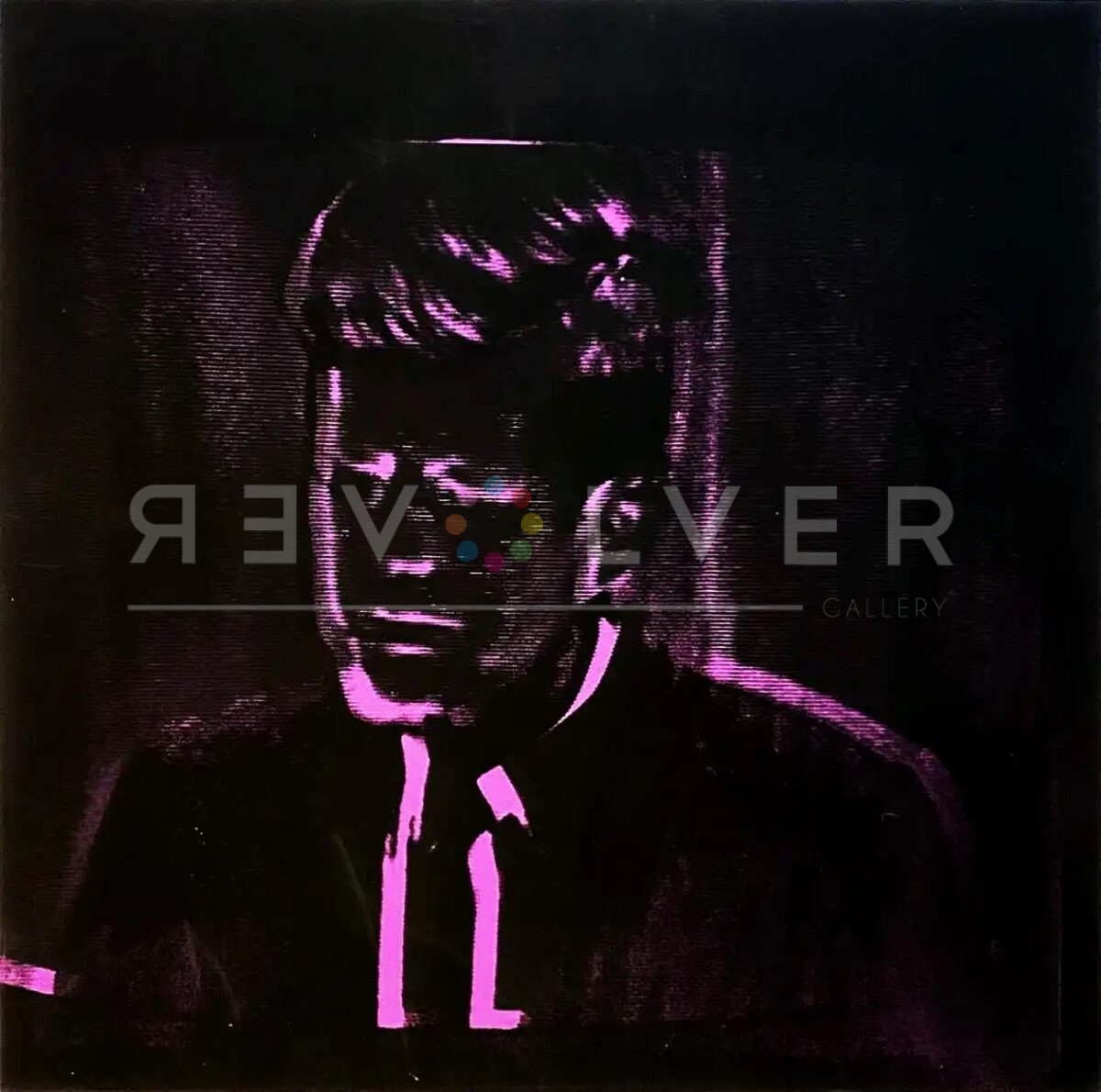
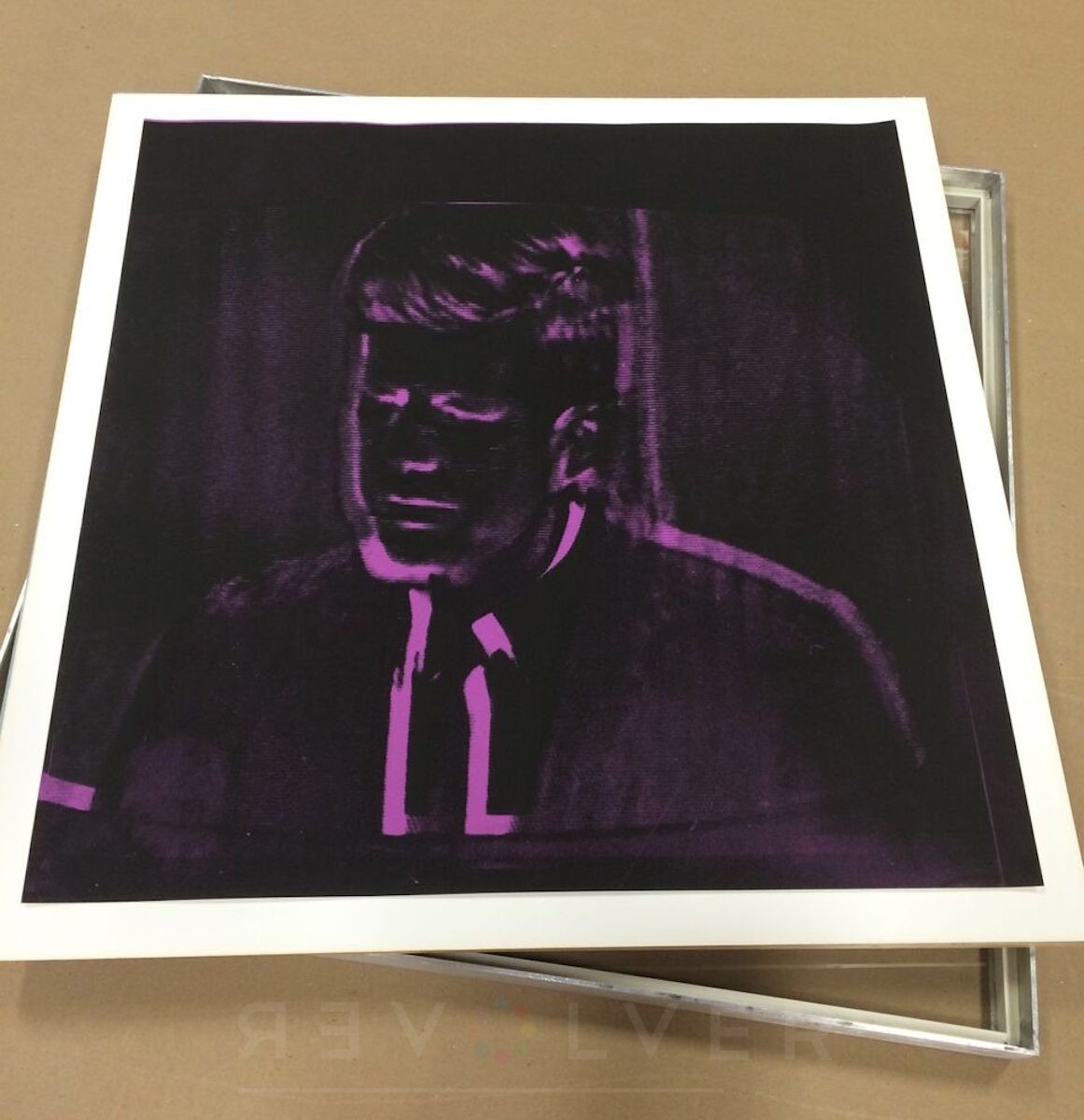
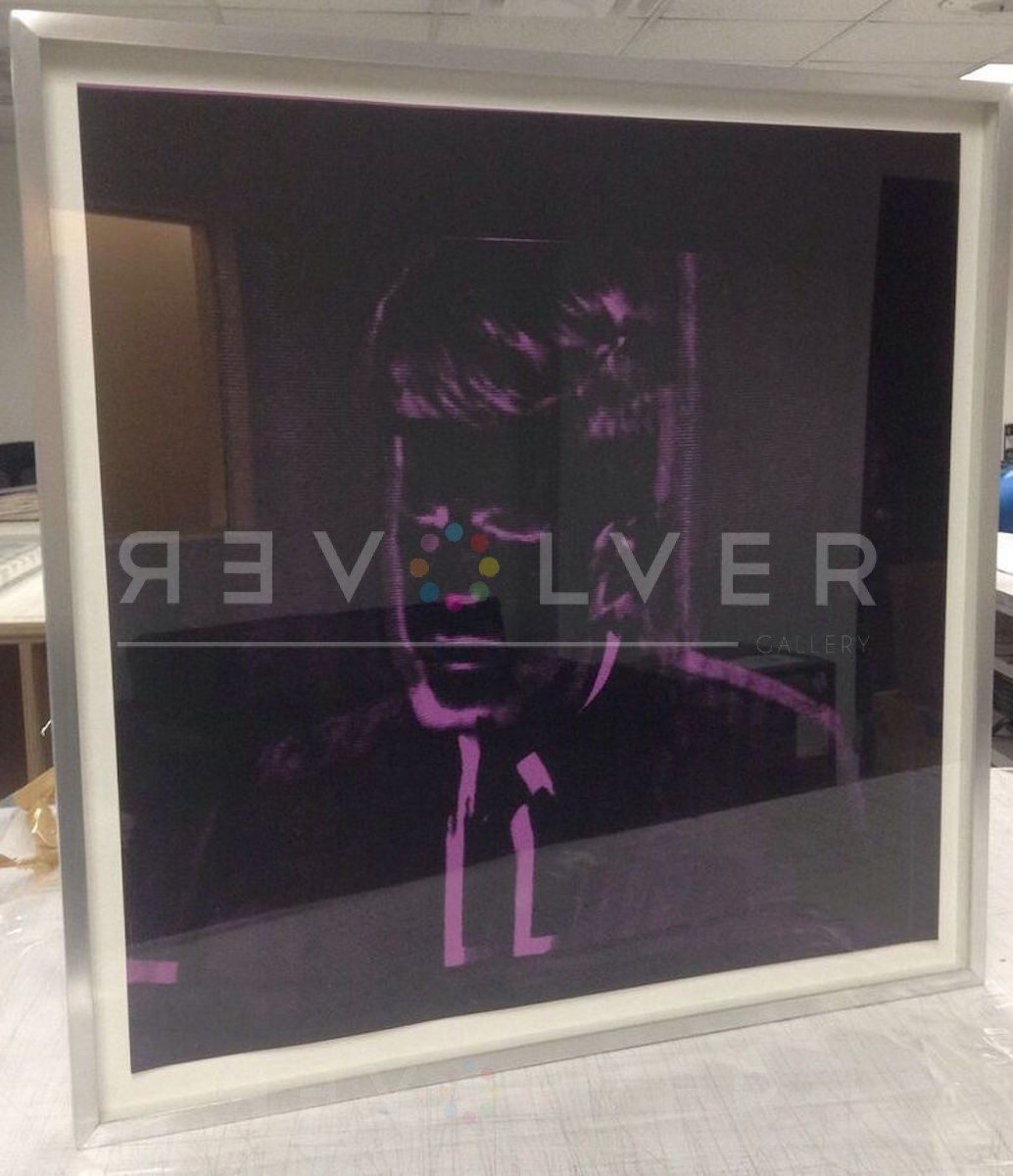
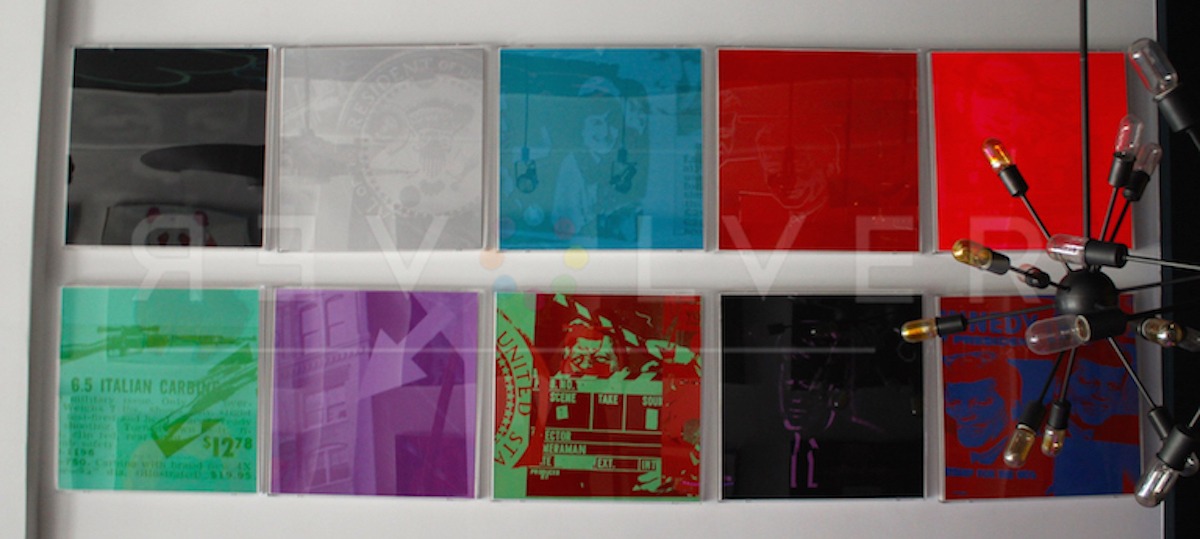
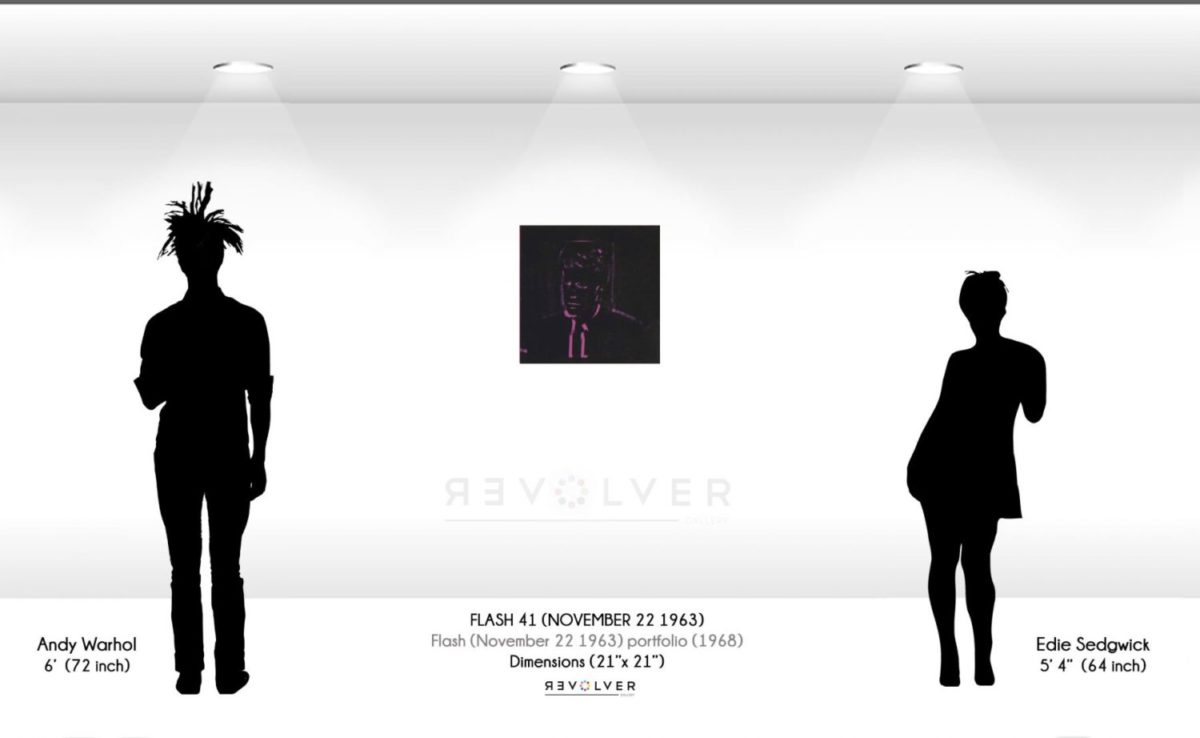
Flash 41 is a screenprint from Andy Warhol‘s controversial Flash series, published in 1968. It is one of eleven provocative prints illustrating President John F Kennedy’s assassination and the frenzy of media coverage which followed. In this controversial series, Warhol uses layering techniques and images from the media to depict the tragedy with emotion and depth. In Flash 41, JFK’s bright purple figure is outlined onto a rich black background, creating an ominous feeling.
Kennedy’s assassination on November 22, 1963, in Dallas Texas was a tragic event that froze time. For days after his death, the media bombarded audiences with headlines, photos, and videos regarding the tragedy and its details.
Warhol felt somewhat detached from the event, although the media’s reaction upset him the most. The Flash series clearly conveys Warhol’s frustration with how highly the media influences society. “I’d been thrilled about having Kennedy as president,” Warhol said. “He was handsome, young, smart, but it didn’t bother me that much that he was dead. What bothered me was the way television and radio were programming everybody to feel so sad. It seemed like no matter how hard you tried, you couldn’t get away from the thing.”
Warhol often expressed his fascination with the media and its impact on society throughout his art. Especially in his Death and Disaster series, Warhol reveals society’s relationship with death, violence, and tragedy. As a loose collection of artworks, the “Death” paintings include some of Warhol’s most macabre and shocking works. Many are included in Warhol’s top 10 most valuable paintings ever sold.
Each print in the Flash series depicts photographs, text, or media headlines shown during the days after Kennedy’s death. Flash 41 depicts an ordinary picture of Kennedy sitting calmly, making for a quiet, yet brooding image. Earning its name from the “news flash” phenomenon, Warhol demonstrates how difficult it is to avoid the media, and how effective it is at sculpting our worldview.
Warhol often engaged with sensitive topics through his art. By the late 1960s, he was no stranger to controversy. He published Flash 41 less than five years after the Kennedy assassination, when the event still scarred the nation. Similar to Flash, some of his other controversial works depicted political leaders as well, such as Mao, Lenin, and Vote McGovern.
Warhol’s reaction to Kennedy’s death varied somewhat from the public’s general consensus. He heard the news while painting in his studio. “I don’t think I missed a stroke,” he said. “I wanted to know what was going on out there, but that was the extent of my reaction.” Warhol’s Flash series ultimately illustrates his concern with American media and its ability to redirect the public’s consciousness so easily. In the portfolio, Warhol expresses how, for him, the media’s reaction was the worst part of the tragic killing. Flash 41 is one of the most iconic prints from the series, showing JFK cloaked in dark, moody colors. The President (celebrated for his charm and good looks) could have been the subject of any of Warhol’s “celebrity” portraits. But given the context, and the hindsight, Warhol’s portraiture of JFK becomes a foreboding and haunting work.
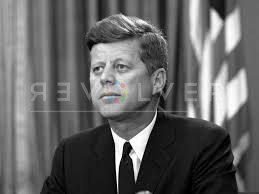
Photo credit: President John F. Kennedy Civil Rights Address, the University of Alabama, June 11, 1963. Courtesy of http://www.jfklibrary.org