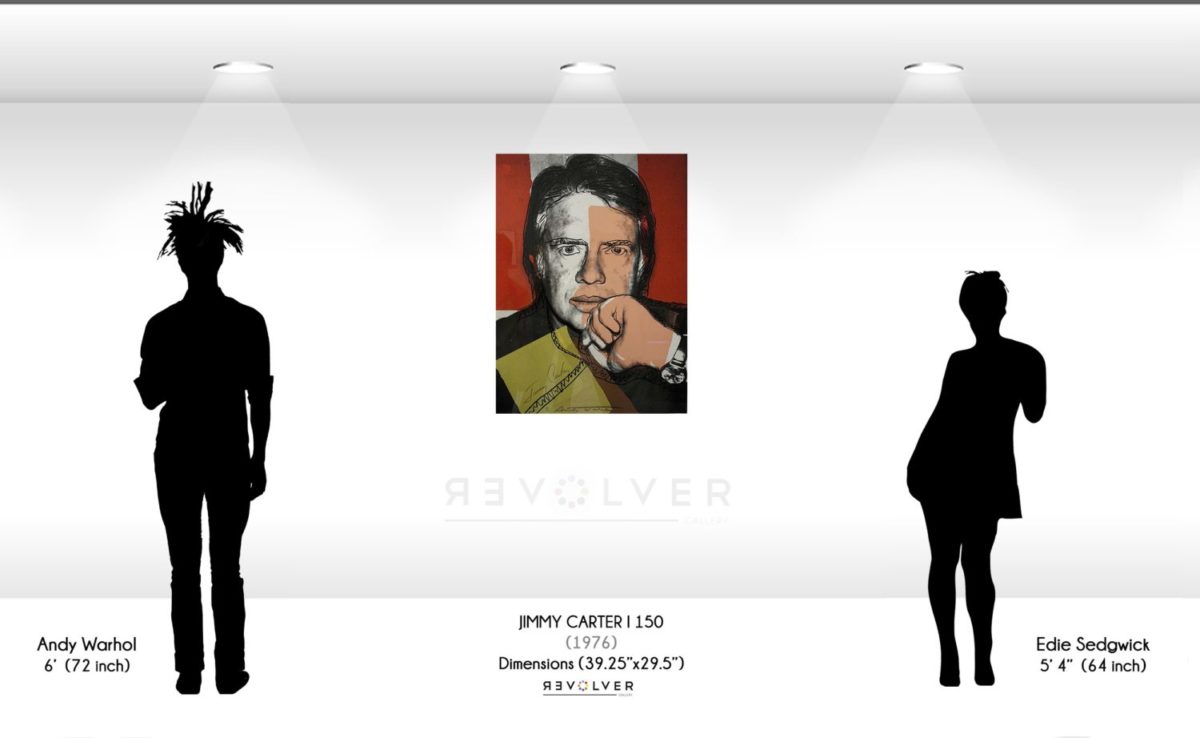
Jimmy Carter I 150 by Andy Warhol is a 1976 screenprint created for Jimmy Carter’s presidential campaign. The portrait shows Carter against a bold red background, his face divided by blocks of peach, beige, and tan. Warhol’s sharp black outlines and flattened planes of color highlight Carter’s thoughtful expression and the confident gesture of his hand beneath his chin. The composition combines intensity and warmth. It conveys both the seriousness and optimism that defined Carter’s public image during his rise to national prominence.
Commissioned by the Democratic National Committee, the print was part of an effort to connect with younger voters and those drawn to modern culture. By employing Warhol, Carter aligned himself with creativity and progress. Consequently, the collaboration symbolized a new kind of political branding in the media age. Here, Warhol portrayed the candidate with a composed yet approachable presence—an image of sincerity that contrasted with the more jubilant portrait created after Carter’s election, Jimmy Carter II 151.
Jimmy Carter I 150 reveals a more contemplative and resolute side of the future president. The work’s vibrant color palette contrasts with Carter’s calm demeanor, symbolizing the tension between idealism and responsibility during his campaign. Warhol’s portrait distills the candidate’s personality into a bold, graphic image that communicates sincerity through simplicity. Printed by Gem Screens in New York and published by the Democratic National Committee in Washington, D.C., the work stands as both political art and campaign iconography.
Jimmy Carter I 150 in Warhol’s Larger Body of Work
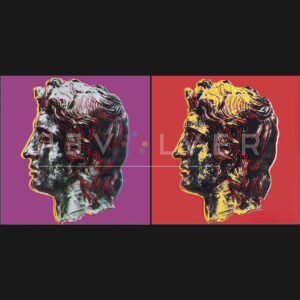
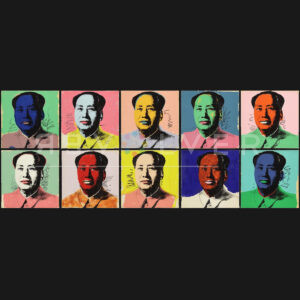
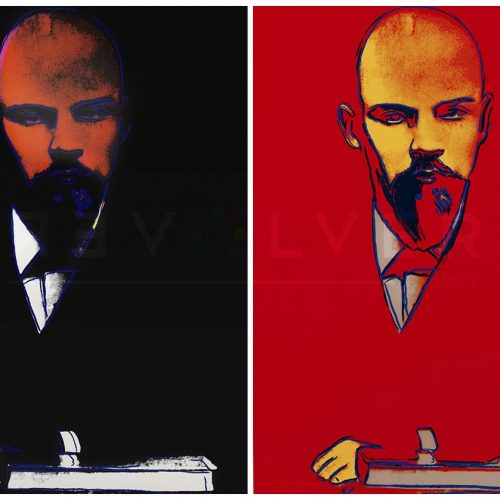
Throughout his career, Warhol blended politics with pop culture. Although best known for his large-scale screenprints, he was also a prolific photographer who sourced images from newspapers and television. His fascination with power and fame led him to portray numerous political figures, including Mao Zedong, Alexander the Great, Vladimir Lenin, and Richard Nixon. Each portrait explored how media transformed leaders into brands and blurred the boundary between politics and celebrity.
Warhol’s Jimmy Carter I 150 fits squarely within this tradition. By fusing political portraiture with the visual language of advertising, Warhol captured the emerging era of media-driven leadership. Moreover, his collaboration with a presidential campaign showed how Pop Art could influence not only culture but also national identity. Notably, this screenprint is signed by both Warhol and President Jimmy Carter, making it one of Warhol’s rare double-signed portraits—a feature that adds both historical and collector significance. The print remains a reminder of Warhol’s ability to reflect—and at times shape—the public face of power.
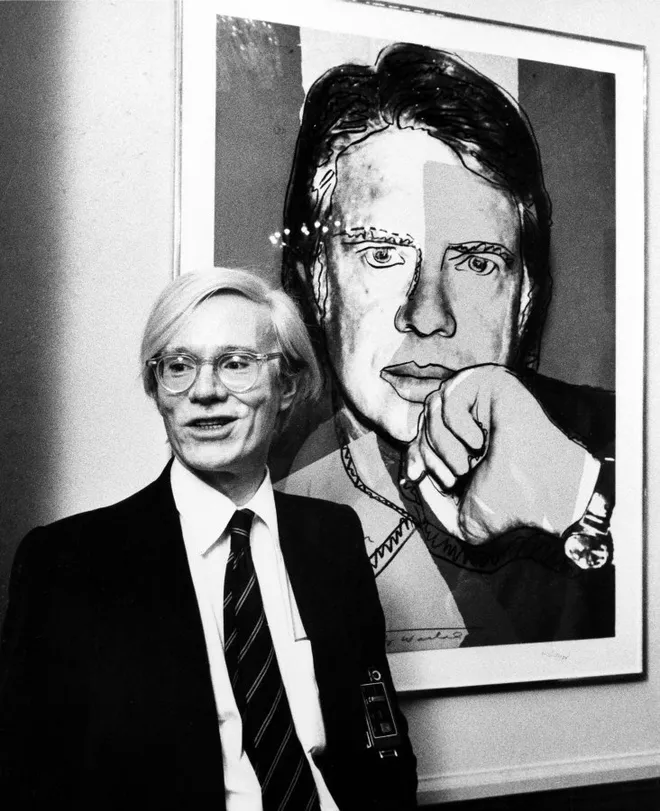
Photo Credit: Andy Warhol with his portrait of Jimmy Carter. Unknown photographer. Courtesy of Trib Live.