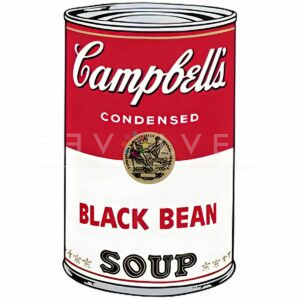
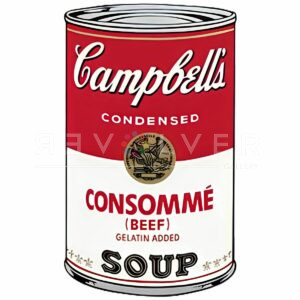
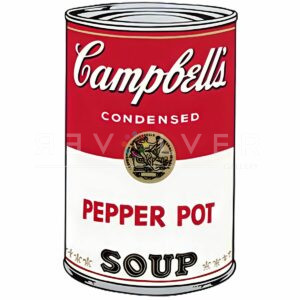
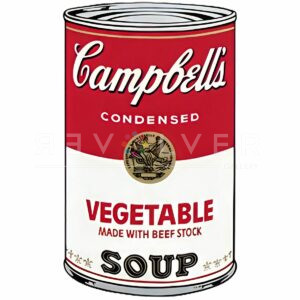
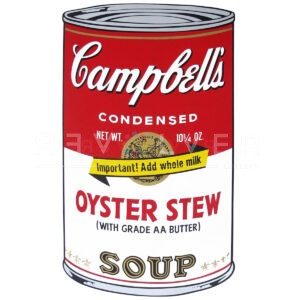
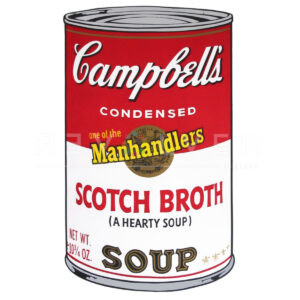
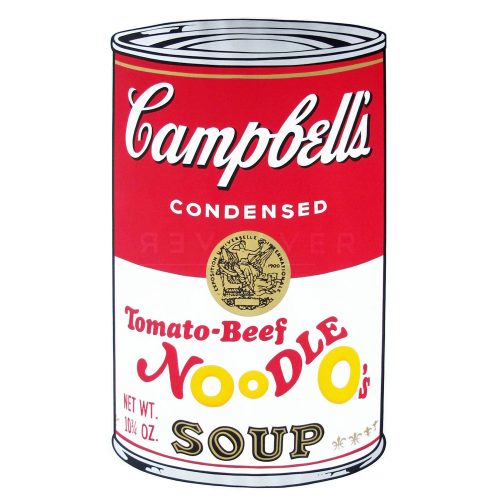
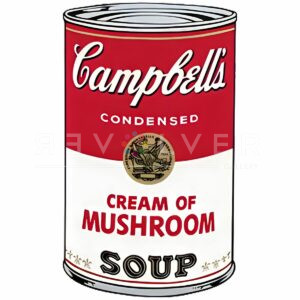
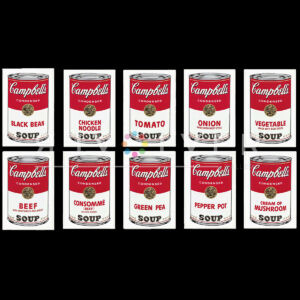
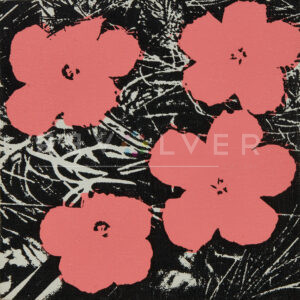
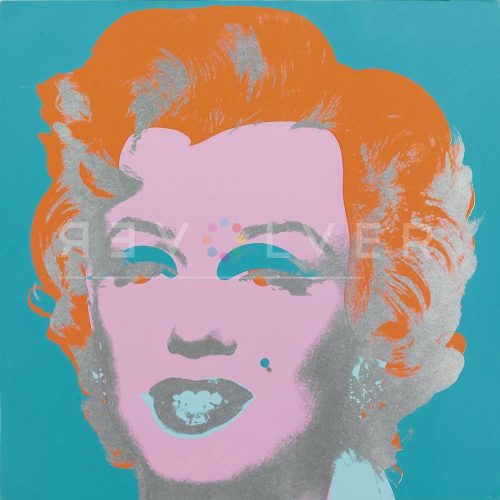
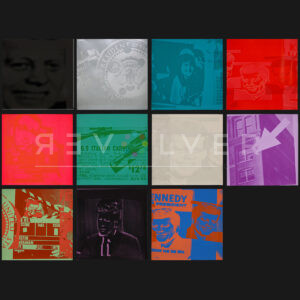
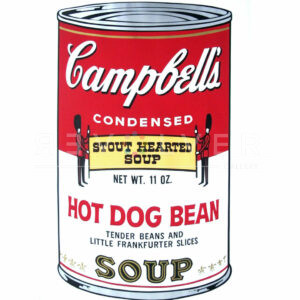
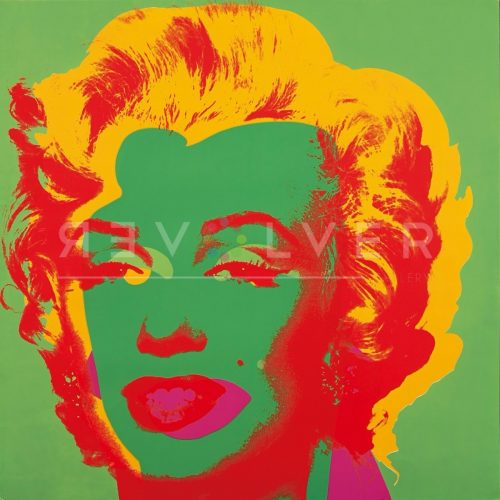
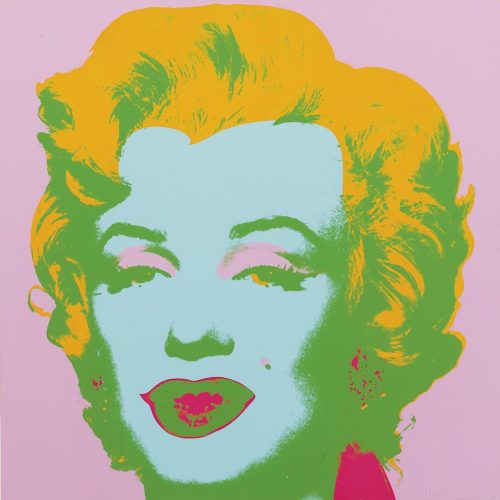
For Andy Warhol, the 1960s marks one of the most transformative periods in his career. During this decade, Warhol broke into the Pop Art movement with bold images drawn from mass production and consumer culture. He created iconic paintings of dollar bills, Coca-Cola bottles, Campbell’s soup cans, and Hollywood celebrities. As a result, the Andy Warhol 1960s era reshaped how artists approached fame, commerce, repetition, and everyday imagery.
Exhibitions, The Factory, and the Rise of Pop Art
Warhol held his first major exhibition in 1962 at Eleanor Ward’s Stable Gallery, where he debuted many of the works that later defined Pop Art. During the early years of the decade, he also opened The Factory, the legendary studio that became a magnet for creative outsiders. Musicians, drag queens, photographers, poets, socialites, adult film stars, writers, and performers all passed through its doors. Consequently, The Factory became both an artistic hub and a cultural symbol of rebellion, experimentation, and unconventional expression.
Collaboration and Productivity at Warhol’s Factory Studio
Throughout the 1960s, Warhol expanded his output by hiring assistants who helped him produce silkscreens, films, sculptures, and mixed-media works. This collaborative structure allowed him to experiment rapidly and work at unprecedented speed. During that period, one of his closest collaborators was the poet Gerard Malanga, who played a key role in printing, filmmaking, and studio operations. Furthermore, Warhol’s reliance on collaboration reflected his belief that art could come from repeated gestures, shared labor, and the breakdown of traditional authorship.
Warhol’s Superstars and the Cultural Revolution of the 1960s
Another defining feature of the Andy Warhol 1960s period was his circle of “Superstars,” a loose group of unconventional personalities who appeared in his films and accompanied him to parties. These figures—Nico, Joe Dallesandro, Edie Sedgwick, Viva, Ultra Violet, Candy Darling, and many others—brought drama, glamour, and unpredictability to Warhol’s daily life. Moreover, they embodied the chaotic spirit of the decade and reflected broader cultural shifts in music, film, identity, and underground performance. Their presence helped shape the visual identity of the Andy Warhol 1960s era, which continues to influence art and pop culture today.